


Listen to the article
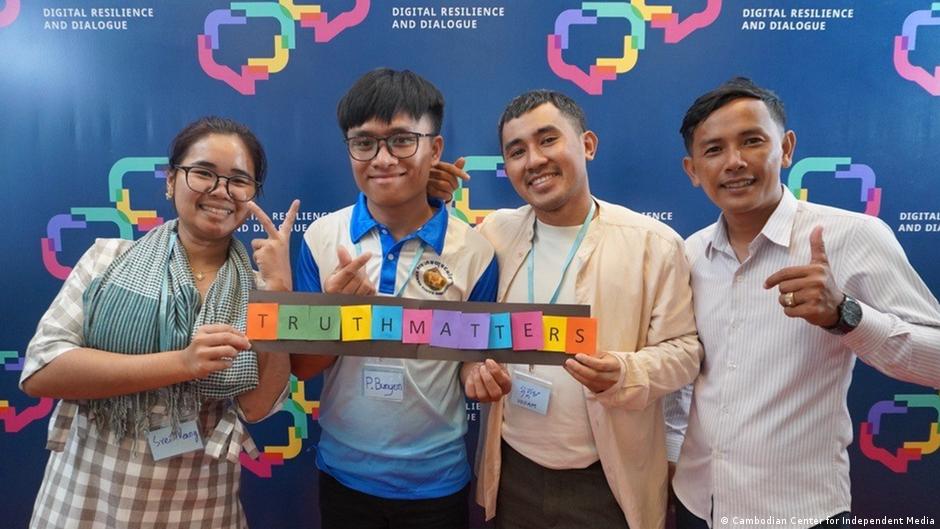
Disinformation most often affects those who need protection the most, according to experts who gathered in Phnom Penh to address growing online threats to Cambodia’s youth. The meeting brought together more than 60 media literacy specialists from civil society, media, business, and government sectors to develop strategies for combating disinformation, hate speech, and online fraud.
Participants focused particularly on vulnerable populations, including rural and indigenous communities and the LGBTQ+ community, who often lack digital access and skills to navigate today’s complex information landscape.
Cambodia’s digital environment faces challenges similar to those worldwide, with social media platforms flooded daily by misleading information. The border conflict between Thailand and Cambodia has recently exacerbated this problem, making reliable information increasingly difficult to find.
Indigenous communities and rural residents are particularly vulnerable due to limited digital access and training opportunities. This digital divide also makes them susceptible to online scams targeting their economic insecurity. Meanwhile, LGBTQ+ youth frequently face identity-based hate speech online.
Media and Information Literacy (MIL) offers a solution to these challenges. MIL encompasses the ability to critically question information, recognize disinformation, and safely navigate online spaces. According to the framework presented at the conference, MIL consists of five core competencies: access to relevant media sources, analysis of content credibility, creation of media content, critical reflection on media habits, and action through media to achieve specific goals.
The MIL Network in Cambodia, developed by DW Akademie and local partners, facilitates dialogue between civil society, media, politicians, and business leaders. This cross-sector collaboration creates a platform for practitioners to share challenges, solutions, and best practices.
The conference produced ten key findings on effective approaches to inclusive media literacy:
Digital innovations must be accessible to everyone. The Department of Digital Transformation of Cambodia’s Ministry of Education, supported by DW Akademie, has developed an MIL app covering topics from disinformation to artificial intelligence. The app uses quizzes and interactive elements, and its deliberately simple design ensures accessibility even in remote areas with limited connectivity.
MIL should be integrated into formal education systems. Cambodia’s Ministry of Education is incorporating MIL tools into teacher training programs at regional and provincial centers, ensuring future educators enter classrooms equipped with digital literacy skills.
Safe spaces for dialogue enable effective peer learning. The Cambodian Center for Independent Media (CCIM) operates MIL clubs in Phnom Penh and Siem Reap, where students meet weekly to discuss media challenges, verify information, and create media content. These clubs have expanded to multiple universities to reach LGBTQ+ community members and rural students.
Peer-to-peer approaches work best for indigenous communities. The Khmer Youth Association trains indigenous youth leaders as MIL multipliers who then teach their communities. This approach addresses both media literacy and the lack of communication channels for indigenous communities to address social and cultural issues.
Theater serves as an effective interactive educational format. Indigenous youth from Ratanakiri performed a play depicting typical MIL challenges in their communities. This creative approach makes abstract digital threats more tangible and provides a starting point for discussions with local decision-makers.
Building trust requires strong cross-sector partnerships. Government actors provide access to formal education, civil society organizations reach marginalized groups, and media organizations contribute expertise on disinformation. This complementary approach creates systemic impact that isolated initiatives cannot achieve.
Content must be localized to address specific vulnerabilities. Different communities face distinct digital threats—LGBTQ+ youth primarily report hate speech, while indigenous communities encounter more digital scams. Training must be tailored to these specific challenges rather than using generic programs.
Key opinion leaders serve as effective bridge builders. Influencers and content creators can spread MIL messages through platforms that young people already use, reaching audiences that may not engage with traditional educational formats.
Gamification enhances learning. The conference tested this approach through an MIL scavenger hunt where teams debunked deepfake videos and analyzed social media posts. The competitive element creates engagement while reinforcing practical skills.
Regional experience sharing builds resilience. Discussions on MIL work in restrictive environments like Myanmar highlighted how strategies from conflict-affected contexts can be adapted to address local challenges.
“The most important finding is the need for stronger cross-sectoral cooperation between government, civil society, and other actors,” said Ith Channa, Vice Chief Officer of Cambodia’s Department of Digital Transformation. “We must work together to develop standardized, localized, and resilient MIL resources that are accessible and empowering for the most vulnerable young people.”
The conference took place as part of the “Digital Resilience and Dialogue” project implemented by DW Akademie and funded by Germany’s Federal Ministry for Economic Cooperation and Development. The initiative aims to make young people in Asia—especially women—more resilient to disinformation and hate speech through media literacy while encouraging constructive dialogue in digital spaces.
Fact Checker
Verify the accuracy of this article using The Disinformation Commission analysis and real-time sources.

10 Comments
The recent border conflict with Thailand has likely amplified the spread of disinformation in Cambodia. Strengthening public access to reliable information sources during times of geopolitical tension is a critical challenge.
Empowering rural and indigenous communities to navigate the digital world and identify credible information is a smart approach. These groups are often the most vulnerable to the harms of online misinformation.
The meeting’s focus on developing strategies to combat disinformation, hate speech, and online fraud is timely and necessary. Equipping Cambodia’s youth, especially those from underserved communities, with digital skills is a smart long-term investment.
Collaboration between civil society, media, business, and government is a positive sign. Multi-stakeholder efforts will be key to the success and sustainability of this media literacy network.
This initiative to expand media literacy outreach to marginalized groups in Cambodia is an important step towards building a more resilient and informed society. Addressing the digital divide and online threats facing vulnerable populations is crucial work.
Reaching rural and indigenous communities, as well as LGBTQ+ youth, is critical for ensuring no one is left behind in this digital literacy push. Addressing the unique challenges faced by these marginalized groups is commendable.
Combating hate speech and online fraud targeting LGBTQ+ youth is a vital component of this initiative. Fostering digital resilience within marginalized communities is key to building a more inclusive and just information ecosystem.
The collaboration between civil society, media, business, and government sectors is an encouraging sign. Cross-stakeholder cooperation will be crucial for the long-term sustainability of these media literacy efforts.
It’s great to see efforts being made to address the pressing issue of disinformation in Cambodia. Ensuring marginalized communities have the tools and skills to navigate the digital landscape is crucial for an informed and empowered citizenry.
The digital divide is a significant challenge, especially for rural and indigenous populations. Targeted digital literacy programs can make a real difference in equipping these vulnerable groups to identify and counter online threats.