


Listen to the article
Divyakirti Weighs In on Dhurandhar Film Debate: Balancing Creative Freedom with Social Impact
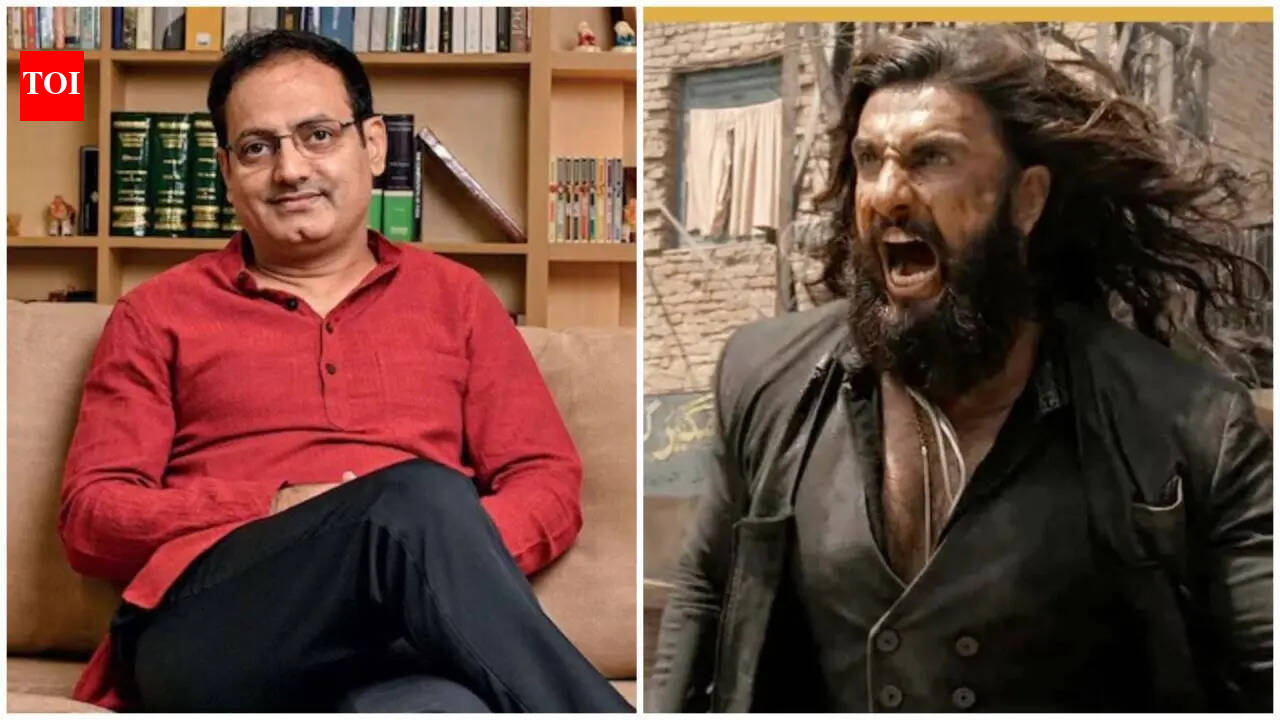
Former IPS officer and Drishti IAS founder Vikas Divyakirti has offered a thoughtful perspective on the ongoing debate surrounding Aditya Dhar’s upcoming Dhurandhar franchise starring Ranveer Singh. In a recent interview with Teen Taal, Divyakirti addressed the thin line between creative expression and propaganda in contemporary Indian cinema.
When questioned about whether the film’s dramatized presentation of facts and media reports constitutes propaganda—similar to films like Rang De Basanti—Divyakirti responded, “I don’t have a problem with that.” However, he was quick to emphasize that creative freedom comes with responsibility.
“I see cinema as cinema, but I also value its social impact,” Divyakirti explained. “If a film shows a method of committing a crime and people start copying it, that is a concern. You can’t just say it’s creative freedom and walk away.”
This stance reflects growing concerns in India’s entertainment landscape, where nationalist narratives have gained prominence in recent years. The Dhurandhar franchise is reportedly positioned as another entry in this genre, prompting public discussion about the responsibilities filmmakers bear when creating content with political undertones.
Divyakirti clarified that he isn’t advocating for censorship or creative restrictions. “I’m not saying everything should be restricted, but literature and cinema do have responsibilities. That cannot be ignored,” he noted.
Addressing whether films should avoid political messaging altogether, Divyakirti maintained that directors should retain their creative autonomy. “If a film benefits a political party, so be it. Others are free to make their own films. As long as censorship guidelines are followed, what’s the issue?” he remarked.
On the question of historical accuracy, Divyakirti referenced Munshi Premchand’s literary philosophy to illustrate the relationship between fact and fiction. “In history, names, dates and events are correct—everything else may not be. In literature, names, dates and events may be false—but the essence is true,” he said.
He further emphasized that expecting absolute historical fidelity from fictional narratives would fundamentally change their nature. “If you expect a film to follow history exactly, then it’s not fiction anymore. Of course, completely distorting history is a concern, but blending imagination with real events is part of storytelling.”
The discussion took on additional significance when addressing the film’s reported nationalist themes. Divyakirti expressed no objection to narratives critical of Pakistan, stating, “If Pakistan is criticised, that’s fine. If they make films criticising India, that’s also fine. What’s the problem?”
However, he identified a more troubling concern regarding audience interpretation of such narratives. “Sometimes, audiences replace India vs Pakistan with Hindu vs Muslim in their minds. That’s where the real issue begins,” he cautioned.
Drawing on literary theory from Dr. Nagendra, Divyakirti elaborated on cinema’s emotional influence. “What ultimately reaches the audience is the creator’s emotional intent. If a filmmaker wants to create love for India and hatred for Pakistan, they can. But if that subtly turns into hatred toward a community, that is also possible.”
The Dhurandhar franchise joins a growing catalog of films exploring themes of nationalism and geopolitical conflict in the subcontinent, arriving at a time when India’s film industry faces increasing scrutiny over its political messaging and social influence.
“Using history with imagination is fine. There’s no issue with that. But the result should not create problems within the country,” Divyakirti concluded. “External conflict is one thing—but internal harm is where the real concern lies.”
His measured perspective adds a nuanced voice to the ongoing conversation about artistic expression, propaganda, and the broader social implications of popular cinema in contemporary India.
Fact Checker
Verify the accuracy of this article using The Disinformation Commission analysis and real-time sources.

6 Comments
It’s an interesting debate around creative freedom and social impact in films. Divyakirti seems to strike a balanced view, recognizing cinema’s artistic merit but also its influence on society.
Divyakirti raises a valid point about the responsibility that comes with creative expression, especially when it comes to sensitive topics like communal divides. Films can have a powerful impact, for better or worse.
I agree. Filmmakers need to carefully consider the messaging and potential consequences of their work, even if it’s in the name of artistic expression.
Interesting to hear Divyakirti’s take on this. He makes a fair point about the need for filmmakers to be mindful of the real-world impact their work can have, even if it’s in the name of creative expression.
Divyakirti’s stance on the Dhurandhar debate reflects the complexities around nationalist narratives in Indian cinema. It’s a nuanced issue without easy answers.
The Dhurandhar franchise seems to be treading a fine line between historical dramatization and potential propaganda. Divyakirti’s perspective on balancing creative freedom and social impact is thought-provoking.