


Listen to the article
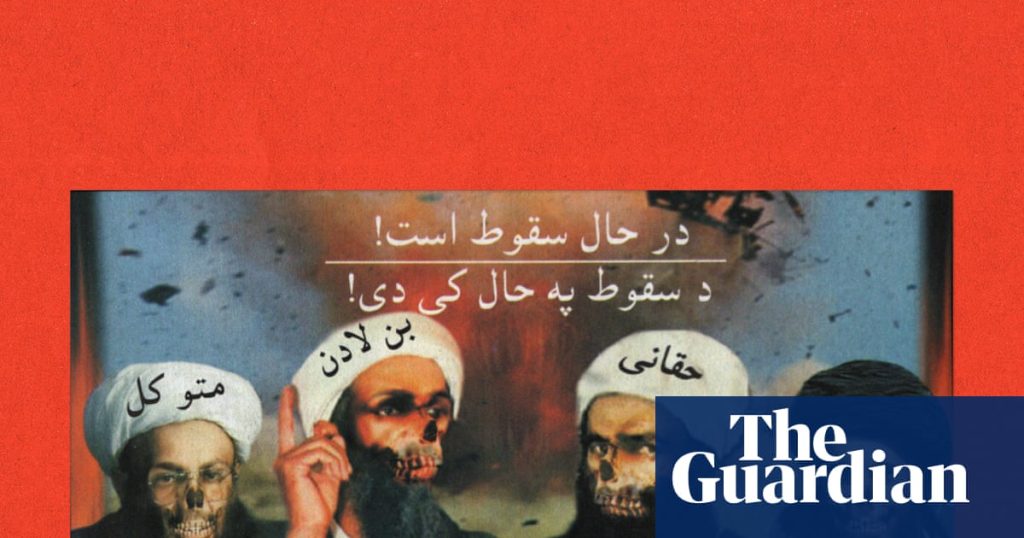
In a dimly lit corner of Pioneer Works in Brooklyn, visitors confront a rarely seen aspect of American warfare: the psychological operations that have accompanied U.S. military interventions for more than a century. The new interactive exhibit, titled “Office of War Information (OWI),” offers a revealing look at propaganda leaflets dropped by American forces over conflict zones including Iraq, Afghanistan, and Libya.
These small pieces of paper, collected by the digital archive group Khajistan, represent a massive but largely invisible aspect of modern warfare. Most Americans remain unaware of these psychological campaigns conducted in their name, despite their extensive use in nearly every major conflict since World War I.
“These leaflets tell a story about how America portrays itself during war, and how it attempts to manipulate enemy combatants and civilian populations,” explains Saad Khan, the exhibit’s curator. “They’re primary documents of our military history that most citizens never see.”
The scale of these operations has been staggering. During World War I alone, U.S. forces dropped more than three million leaflets over enemy territory. The practice expanded dramatically during World War II and has continued through subsequent conflicts, evolving in both messaging and delivery methods.
The leaflets displayed at Pioneer Works vary widely in their approach. Some threaten dire consequences for resistance, while others make promises of safety and prosperity for those who surrender or cooperate. Many feature stark imagery designed to instill fear or hope, depending on the message’s intent.
What makes the exhibit particularly compelling is the historical context it provides. Declassified military documents displayed alongside the leaflets reveal internal assessments of these psychological operations—and the results are often at odds with official narratives.
A 1971 declassified U.S. Air Force report, for instance, candidly acknowledges limited success in many leaflet campaigns. The report notes that enemy soldiers frequently disregarded the propaganda materials, sometimes using them for practical purposes such as rolling cigarettes or as toilet paper rather than heeding their messages.
“There’s a significant gap between the military’s public claims about the effectiveness of these operations and what their own internal documents reveal,” notes a Khajistan representative associated with the exhibit. “During the Gulf War, for example, the military reported that approximately 44% of the Iraqi army deserted due to psychological operations messaging, but those numbers have been disputed by independent analysts.”
The exhibit allows visitors to interact with these historical artifacts through digital displays that provide translations and background information. By contextualizing these materials, visitors gain insight into how military psychological operations attempt to exploit cultural sensitivities, political vulnerabilities, and human fears.
Beyond simply displaying these materials, the OWI exhibit aims to prompt deeper reflection on the nature of propaganda and its human consequences. Khan emphasizes that the exhibit prioritizes perspectives from communities who have experienced these psychological operations firsthand—voices often marginalized in traditional war narratives.
“We wanted to create a space that doesn’t just document these campaigns but encourages visitors to think critically about the ethics of psychological warfare and its impact on civilian populations,” Khan explains.
The timing of the exhibit coincides with growing public interest in government transparency regarding military operations. As digital archiving makes previously classified or obscure materials more accessible, exhibits like OWI play an important role in broadening public understanding of the less visible aspects of warfare.
Pioneer Works, known for its interdisciplinary approach to art and knowledge, provides an appropriately contemplative setting for this examination of war’s psychological dimension. The exhibit runs through the end of the month and includes a series of panel discussions featuring historians, former military personnel, and representatives from affected communities.
Fact Checker
Verify the accuracy of this article using The Disinformation Commission analysis and real-time sources.

5 Comments
As someone interested in the history of military and political propaganda, I’m eager to check out this exhibition. The use of leaflet drops as a psychological tactic is fascinating, especially given the massive scale of these operations over the past century. I wonder how the messages and tactics evolved across different conflicts.
The idea that most Americans remain unaware of these extensive propaganda efforts conducted in their name is quite troubling. These leaflets represent a critical aspect of modern warfare that deserves greater public scrutiny and understanding. I hope this exhibition helps to shed more light on this hidden dimension of US military operations.
The scale of these propaganda operations is staggering, with millions of leaflets dropped during just World War I. It really highlights how psychological warfare has been a key component of modern American military interventions, despite its invisibility to the general public. I wonder what the long-term impacts of these campaigns have been on local populations.
Fascinating look at the lesser-known side of American warfare – the use of propaganda leaflets. It’s sobering to see how extensively this psychological tactic has been employed, even as most citizens remain unaware. I’m curious to learn more about the specific messages and tactics used in these leaflets over the years.
This exhibit provides an important window into the history of US war propaganda. While the use of leaflets may seem antiquated in the digital age, it’s clear these psychological operations have been a consistent feature of American military tactics. It will be interesting to see if the curator is able to shed light on how effective these campaigns have been over time.