


Listen to the article
Apple TV’s new thriller “Unconditional” arrives amid controversy, showcasing the heightened sensitivities surrounding Israeli media productions in today’s political climate.
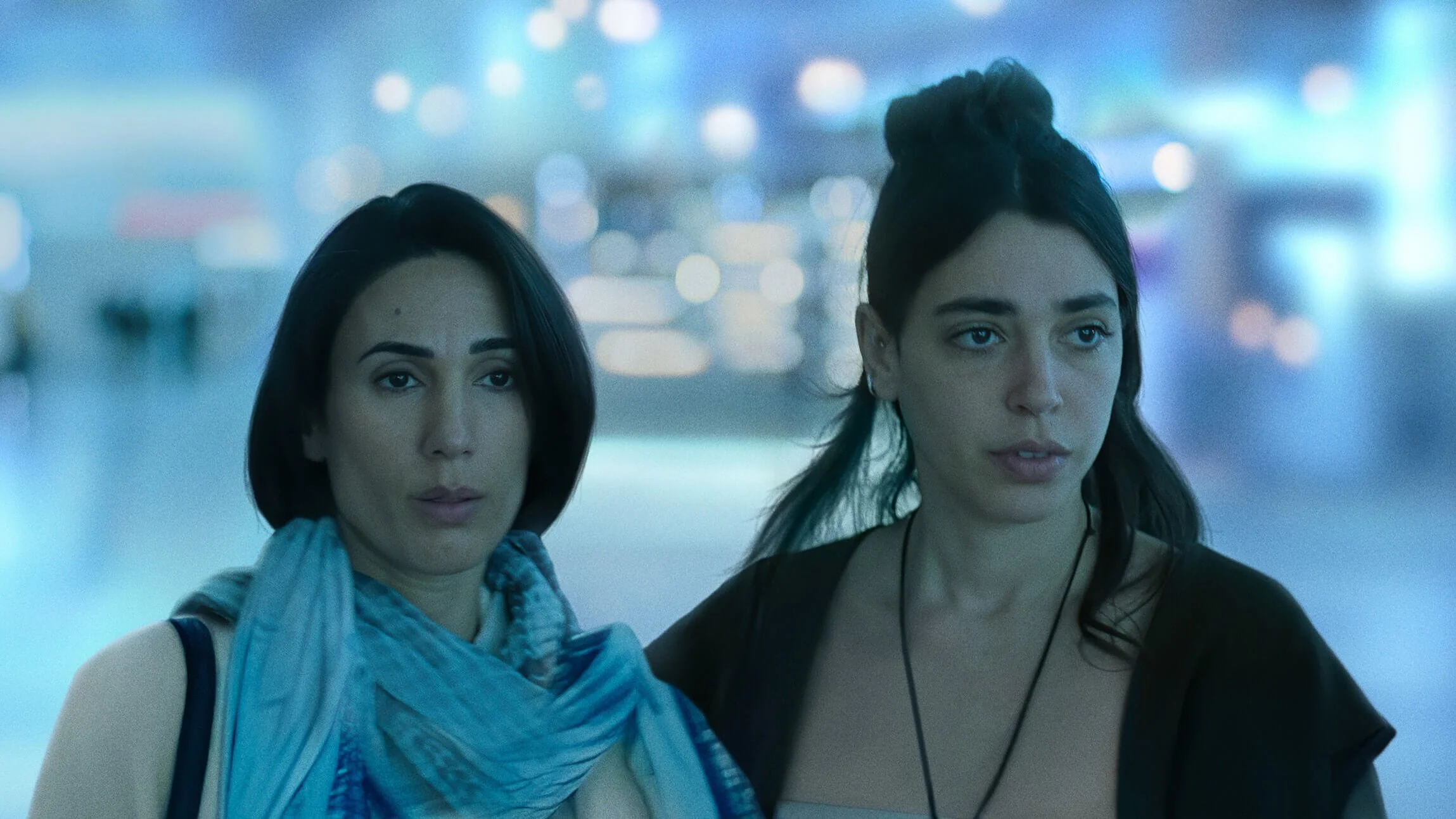
Set to premiere on May 8, the series follows a familiar premise: a young woman named Gali (played by Ronn Talia Lynne) disappears in hostile territory when she’s detained in Russia on drug charges. Her mother Orna (Liraz Chamami) launches her own investigation to secure her daughter’s release while managing a family health crisis. The plot features the expected elements of the genre—deaths, unexpected alliances, and mounting tension.
What distinguishes “Unconditional” isn’t its storyline but the intense online backlash it received before most had even seen it. The announcement trailer, which briefly showed Gali in her Israel Defense Forces uniform, sparked immediate condemnation from pro-Palestinian social media accounts, with critics labeling it “hasbara” or “Zionist propaganda.” These reactions came despite the fact that the show makes no reference to Palestinians or the Gaza conflict.
The controversy highlights the challenging landscape for Israeli cultural exports in the current geopolitical environment. Interestingly, the series itself offers nuanced commentary on Israel’s propaganda mechanisms both domestically and internationally.
The plot centers on Gali and her mother being detained during a layover in Moscow, with Russian authorities claiming to have found drugs in Gali’s backpack—a narrative reminiscent of the real-life Naama Issachar case from 2019. After Gali receives a seven-year sentence in a Russian prison, Orna returns to Israel and engages a PR specialist to advocate for her daughter’s release.
The show explores how Orna carefully crafts her daughter’s public image for Israeli media, describing Gali as “a happy, good-hearted girl” who “served in the army, like everyone.” The use of Gali’s military portrait in news segments illustrates the stark contrast in perception: within Israel, the image evokes sympathy, while internationally, it can brand her as complicit in military actions.
Created by the team behind “Hatufim” (which was adapted in the U.S. as “Homeland”), “Unconditional” follows their tradition of presenting morally complex characters. The series spends considerable time in India, where Gali and Orna were traveling before their Moscow stopover, addressing the “Ugly Israeli abroad” stereotype that has gained attention through reports of Israeli tourists’ poor behavior in Asian countries.
The show doesn’t shy away from portraying Israelis in an unflattering light. Characters make culturally insensitive remarks about India and Russia, with one scene featuring Gali joking about an Indian restaurant’s health violations. This depiction resonates with social media complaints about Israeli travelers, particularly former IDF soldiers on what’s been dubbed the “Hummus trail” in South Asia.
Apple TV’s decision to release an Israeli production at a time when public opinion toward Israel has significantly declined raises questions about potential subscriber backlash. The platform may have been encouraged by the previous success of “Tehran,” another Israeli series about an IDF hacker stranded in Iran.
The show’s reception might ultimately depend on viewers’ existing perspectives. While some may call for boycotts, others might note that “Unconditional” actually reflects critically on Israel’s actions through metaphor and character development.
A poignant exchange in a later episode encapsulates this complexity: when Orna justifies her daughter’s actions, her government companion Rita (Evgenia Dodina) points out, “You give me a thousand excuses for Gali… It doesn’t matter she didn’t understand what she was getting into.” Orna’s response—that it’s different because Gali is her daughter—suggests how familial or national loyalty can lead to moral blind spots.
As “Unconditional” enters the streaming market, it stands as a Rorschach test in the current political climate, where Israeli cultural products inevitably become lightning rods for broader debates about the country’s policies and actions.
Fact Checker
Verify the accuracy of this article using The Disinformation Commission analysis and real-time sources.

10 Comments
Interesting that a thriller series without any explicit political messaging can still spark such controversy. It speaks to the highly charged environment surrounding Israeli media. I wonder how the show will handle the sensitive subject matter without veering into propaganda territory.
You make a good point. Navigating those issues must be a delicate balance for the creators. I’ll be curious to see if they can deliver an engaging thriller that feels authentic rather than one-sided.
This article sheds light on the challenging landscape facing Israeli cultural exports in today’s geopolitical climate. Even a thriller like ‘Unconditional’ that doesn’t directly address the Israeli-Palestinian conflict can spark intense online backlash. It will be intriguing to see how the creators handle these sensitivities.
Absolutely. The controversy over the show’s trailer, despite its lack of overt political content, underscores just how fraught the environment is. The creators will have to be very thoughtful in their approach to avoid getting caught up in ideological battles.
The article highlights the heightened sensitivities around Israeli media in today’s political climate. It will be interesting to see if ‘Unconditional’ can rise above the controversy and offer a compelling dramatic narrative. Avoiding overt propaganda on either side will be key.
Agreed. Depicting complex geopolitical issues through an entertainment lens is no easy task. The creators will need to tread carefully to tell an authentic story without getting caught up in ideological battles.
This article underscores the challenges facing Israeli cultural exports in the current environment. A thriller like ‘Unconditional’ that doesn’t even directly address the Israeli-Palestinian conflict can still stir up controversy. It will be intriguing to see how the show navigates these sensitivities.
You’re right, the political climate seems to be putting a lot of pressure on Israeli media productions, even ones that don’t appear overtly political. It will be interesting to see if ‘Unconditional’ can rise above the noise and deliver an engrossing thriller.
The intense backlash to the ‘Unconditional’ trailer, despite the lack of direct political content, highlights the highly polarized environment surrounding Israeli media. The creators will need to tread carefully to tell an authentic story without getting embroiled in ideological battles.
Well said. Navigating those sensitivities while maintaining dramatic tension and authenticity will be a significant challenge for the show’s producers. It’s a delicate balance they’ll have to strike.