


Listen to the article
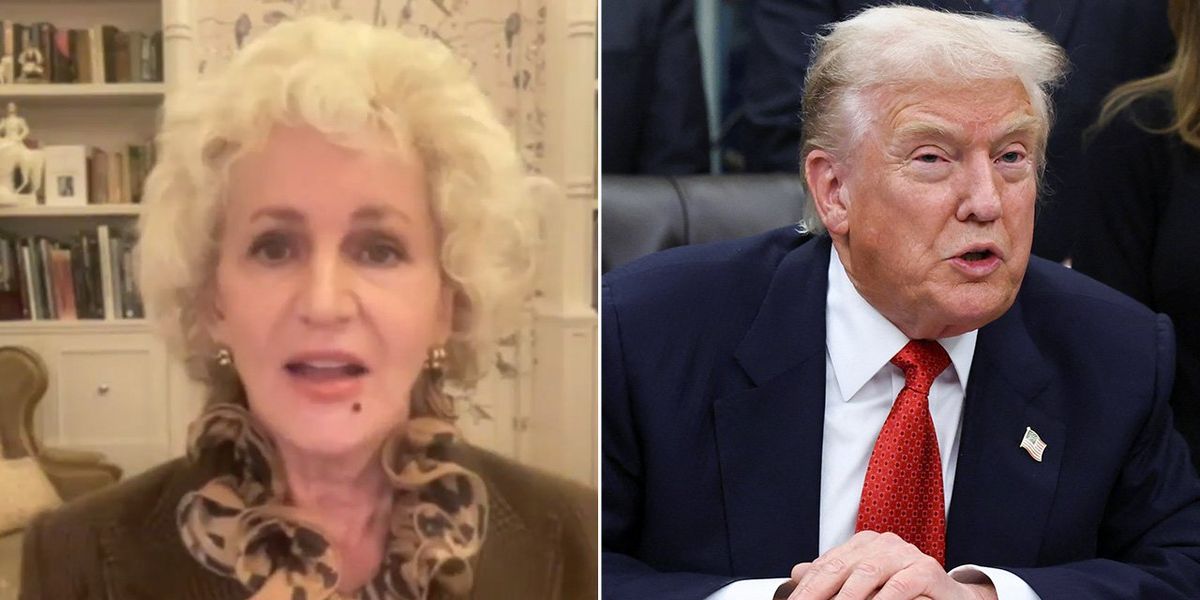
The BBC has once again come under fire after revelations of a second instance where former President Donald Trump’s January 6 speech was allegedly edited in a misleading manner. Harriet Sergeant, a former BBC contributor, has condemned the broadcaster’s actions as “propaganda” and warned British viewers they “can’t trust” the corporation to deliver impartial news coverage.
This latest controversy emerged after The Telegraph exposed that Newsnight, another BBC program, had aired an edited version of Trump’s speech related to the Capitol events of January 6, 2021. This revelation comes as the corporation already faces a potential billion-dollar lawsuit from the former president over a previous editing incident.
“It doesn’t surprise me at all,” Sergeant told GB News host Martin Daubney. “We’ve seen over and over again, whether it’s on trans rights, whether it’s on Hamas, immigration, that the BBC believes that its primary duty is to be activists. It’s no longer impartial.”
According to Telegraph Associate Editor Camilla Tominey, a whistleblower named David Chaudoir had raised concerns about the Newsnight episode, but these were allegedly “ignored” by BBC management. The edit was apparently so obvious that former United States representative Mike Mulvaney criticized it during his live appearance on the program.
When shown the footage during her GB News interview, Sergeant did not mince words: “This is propaganda. The BBC have created propaganda there.” She went on to make a pointed historical comparison, noting, “You have to remember, the BBC and the USSR were both founded in 1922, and Russia’s fallen, the Soviet Union’s gone, but the BBC is still at it.”
The controversy represents a significant challenge to the BBC’s reputation as it navigates increasing scrutiny over its editorial practices and impartiality. Public broadcasters worldwide have faced growing criticism in recent years as political polarization has intensified, particularly around coverage of contentious political figures like Trump.
Sergeant expressed particular concern about the systemic nature of what she sees as bias at the corporation: “It’s still changing, wrenching reality around to fit its activist narrative. This is dangerous.” She added that the resignation of “a few top people” would not be sufficient to address what she characterized as a problem “fundamental to the BBC.”
This second editing controversy comes at a particularly sensitive time for the BBC, which is already dealing with the fallout from the first instance involving its Panorama program. Trump’s legal team has signaled their intent to pursue action against the broadcaster.
“It is now clear that BBC engaged in a pattern of defamation against President Trump by intentionally and deceitfully editing his historic speech in order to try and interfere in the Presidential Election,” a spokesman for Trump’s legal team told GB News. “President Trump will continue to hold accountable those who traffic in lies, deception, and fake news.”
The BBC has acknowledged the allegations, with a spokesperson stating: “The BBC holds itself to the highest editorial standards. This matter has been brought to our attention and we are now looking into it.”
Media ethics experts have long noted that selective editing of quotes or footage can significantly alter context and meaning, potentially misleading audiences. For public broadcasters with explicit impartiality requirements like the BBC, such controversies can undermine public trust and raise questions about institutional culture and oversight mechanisms.
As the U.S. presidential election approaches, the incident highlights the intense scrutiny facing media organizations covering polarizing political figures and the potential legal and reputational consequences of editorial decisions that may be perceived as biased.
Fact Checker
Verify the accuracy of this article using The Disinformation Commission analysis and real-time sources.

9 Comments
The BBC’s role as a trusted news source is now in question due to these allegations. They need to be upfront about what happened, acknowledge any wrongdoing, and outline concrete measures to prevent similar incidents in the future.
This is a concerning allegation against the BBC. If true, it would undermine their credibility as an impartial news source. I hope they investigate this thoroughly and take appropriate action if the editing was intentionally misleading.
If the allegations against the BBC are true, it’s a serious breach of journalistic ethics. As a public broadcaster, they have a duty to provide accurate and unbiased information to their viewers. This incident deserves a full investigation.
I’m surprised to hear about this alleged editing incident, as the BBC has traditionally been viewed as a reputable and trustworthy news source. They need to address these concerns head-on and ensure it doesn’t happen again.
Absolutely. The BBC’s credibility is on the line here. They need to investigate thoroughly, identify any wrongdoing, and put safeguards in place to prevent similar issues in the future.
This is a troubling development that could further erode public trust in the media. The BBC needs to be transparent about their editorial processes and demonstrate a commitment to impartial, fact-based reporting.
The BBC has a responsibility to report the news objectively, not engage in political propaganda. This alleged incident raises serious questions about their editorial standards and commitment to journalistic integrity.
I agree. The BBC should be held accountable if they are manipulating footage in a way that distorts the facts. Transparency and truthfulness must be the top priorities for a public broadcaster.
Editing footage in a misleading way is a form of propaganda, not journalism. The BBC must address this issue head-on and take steps to ensure it doesn’t happen again. Credibility and trust are critical for a public broadcaster.