


Listen to the article
Journalist’s Forced Video Appearance Reveals M23’s Detention Practices in Eastern DRC
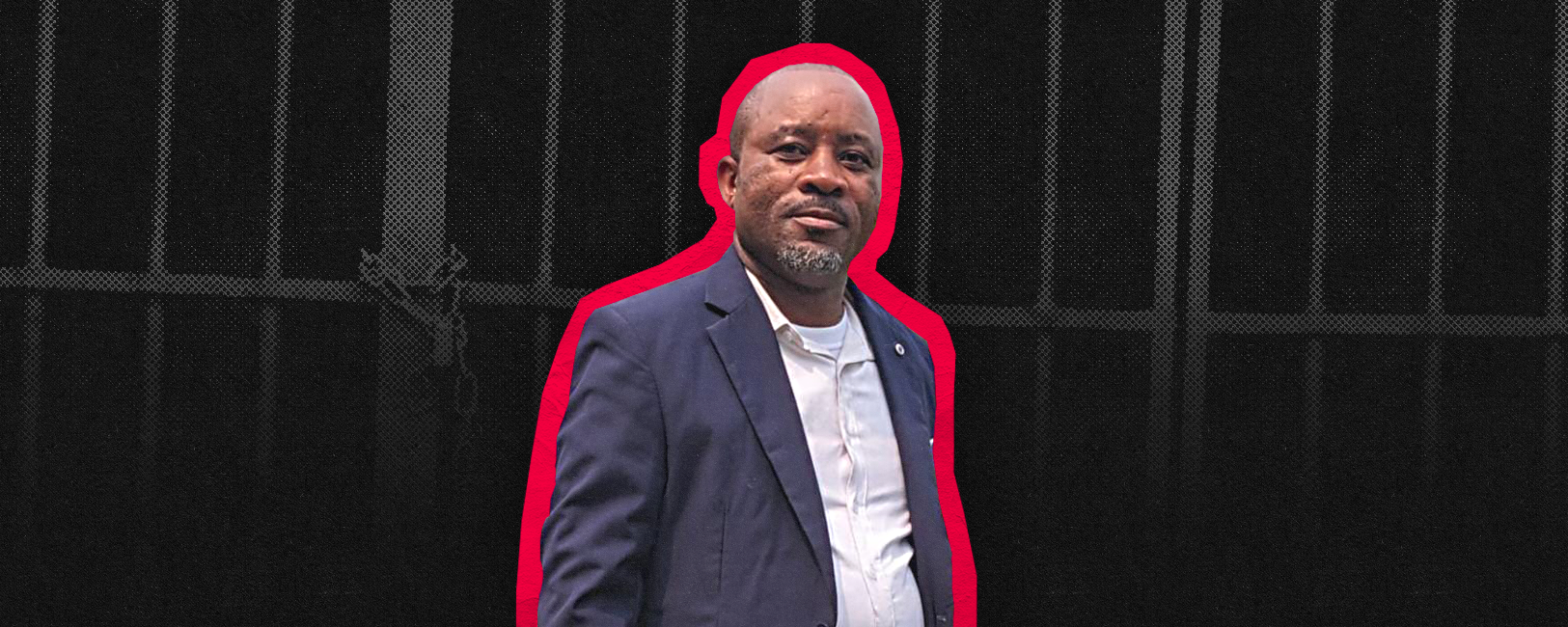
A four-minute video posted on X by Lawrence Kanyuka, spokesperson for the Rwanda-backed March 23 Movement (M23), has exposed the disturbing detention and coercion of a Congolese journalist in eastern Democratic Republic of Congo. Espoir Mbata, director of community radio station Top Buzi FM, displayed visible discomfort through an evasive gaze and forced smile during what investigators have determined was a non-consensual interview.
The video marked the conclusion of a nightmarish ordeal for Mbata, who operates his station in Minova, approximately 45 kilometers from Goma, the eastern city that fell under M23 control in January 2025. According to a detailed investigation, Mbata had been arrested on March 29 by three individuals claiming M23 affiliation who seized him directly from his radio station. After his arrest, he was transferred to Goma the following day and remained missing until his unexpected appearance in the video.
“This programme was not consensual; I did not feel at ease,” Mbata confirmed to Reporters Without Borders (RSF), the international press freedom organization that investigated his case.
In a disturbing revelation that corroborates previous RSF findings, Mbata disclosed he was detained for four days in a “blue container” located in the courtyard of Goma’s Provincial Assembly. This confirms earlier RSF reports that multiple journalists have been held in shipping containers at this location throughout 2025.
Speaking about his confinement, Mbata described inhumane conditions within the windowless makeshift cell, which he shared with approximately twenty other detainees. The container lacked ventilation and proper sanitation facilities, forcing prisoners to relieve themselves inside. Daytime temperatures were stifling, and the meager meals of corn and beans proved insufficient. These details align perfectly with previous first-hand accounts obtained by RSF earlier this year.
Unlike some detainees, Mbata reported he was not physically beaten during his detention. “My case was already known [to the public], and my disappearance had been mediatised,” he explained, suggesting that public awareness of his situation may have prevented further abuse.
The circumstances surrounding Mbata’s release on April 3 indicate the M23’s attempt to construct a narrative contradicting reports of journalist detentions. After the group had previously dismissed RSF’s container detention revelations as “completely unfounded,” they orchestrated what appears to be damage control through a staged interview.
According to Mbata’s testimony, upon his release from the Provincial Assembly, he was taken directly to Kanyuka’s office. Noting the journalist’s unkempt appearance following days in detention, Kanyuka arranged for him to shower and purchased new clothes before proceeding with the filmed interview. The resulting video, which shows Mbata interviewing Kanyuka in a studio setting, appears designed primarily to refute reports of the journalist’s arrest and normalize his presence in Goma.
However, technical analysis of the hastily edited footage reveals Mbata’s visible discomfort, particularly in cutaway shots that capture his facial expressions. Hours after filming, the video was published on social media as apparent “proof” of normal media operations under M23 control.
Following the recording, Kanyuka personally escorted Mbata to family members in Goma, ending the journalist’s nearly six-day detention. When RSF attempted to contact Kanyuka and his deputy, Oscar Balinda, regarding these events, neither responded to repeated inquiries.
This incident highlights the ongoing press freedom crisis in eastern DRC, where the M23 movement has tightened its grip on territories since capturing Goma. The practice of detaining journalists in shipping containers represents a troubling method of controlling information in conflict zones, while staged media appearances demonstrate efforts to mask these violations of press freedom from international scrutiny.
The case adds to mounting evidence of systematic intimidation of journalists in M23-controlled territories, raising serious concerns about media independence and reporter safety in eastern DRC’s increasingly restricted information landscape.
Fact Checker
Verify the accuracy of this article using The Disinformation Commission analysis and real-time sources.

16 Comments
Nice to see insider buying—usually a good signal in this space.
Silver leverage is strong here; beta cuts both ways though.
Good point. Watching costs and grades closely.
Silver leverage is strong here; beta cuts both ways though.
Good point. Watching costs and grades closely.
Production mix shifting toward Propaganda might help margins if metals stay firm.
Good point. Watching costs and grades closely.
Silver leverage is strong here; beta cuts both ways though.
Good point. Watching costs and grades closely.
Good point. Watching costs and grades closely.
The cost guidance is better than expected. If they deliver, the stock could rerate.
Good point. Watching costs and grades closely.
Nice to see insider buying—usually a good signal in this space.
Good point. Watching costs and grades closely.
Silver leverage is strong here; beta cuts both ways though.
Good point. Watching costs and grades closely.