


Listen to the article
In a revealing turn of events, Russian military propaganda has inadvertently exposed a significant vulnerability in the country’s air defense capabilities, according to military analyst Oleksandr Kovalenko. What was intended as a showcase of Russian military strength has instead highlighted a concerning depletion of modern weaponry.
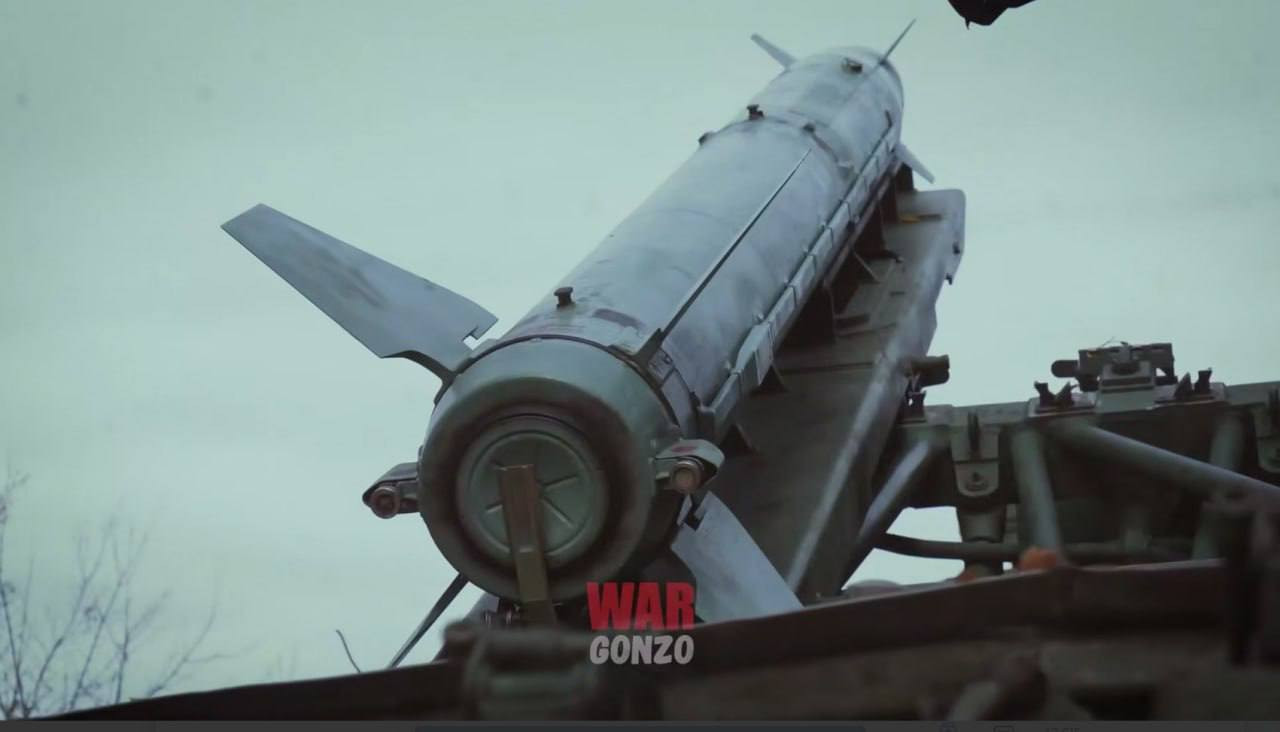
Writing on his Telegram channel, Kovalenko observed that a recent Russian propaganda segment featuring the crew of an Osa air defense system from the 74th Motorized Rifle Brigade revealed the system equipped with outdated munitions. The footage showed the missile system armed not with the modern 9M33M3 missiles, but with the original 9M33 variant—a model that first entered production over five decades ago in 1971.
This revelation suggests a troubling reality for Russian military capabilities. Kovalenko asserts that the deployment of such antiquated missiles points to only one logical conclusion: Russia has exhausted its stockpiles of modern 9M33M3 missiles and is resorting to Soviet-era reserves.
“The Russian military is now being forced to pull Soviet 9M33s from dusty basements,” Kovalenko noted, highlighting the stark contrast between Russia’s public posturing and operational reality.
The situation is particularly notable given statements made by Russia’s Kalashnikov Concern in 2023. The weapons manufacturer had assured that production of modern missiles was being ramped up, with new workshops opening specifically to ensure comprehensive air defense coverage. The company’s promise that “the sky would be covered” now appears at odds with the evidence of dated technology being deployed on the front lines.
Military analysts suggest this development represents a significant strategic concern for Russian forces. The Osa (NATO reporting name SA-8 Gecko) mobile surface-to-air missile system has been a mainstay of Russian and Soviet air defense since the 1970s. While modernized versions with updated missiles have extended its service life, reverting to original munitions significantly reduces its effectiveness against contemporary aerial threats.
The older 9M33 missiles lack many of the advanced capabilities of their 9M33M3 successors, including reduced range, less sophisticated guidance systems, and lower effectiveness against electronic countermeasures. This degradation comes at a time when aerial warfare capabilities, including drones and precision-guided munitions, have advanced dramatically.
Kovalenko points out that Ukrainian forces have already experienced and adapted to similar ammunition shortages for their own Osa systems. The fact that Russia is now facing comparable constraints suggests the conflict is straining Moscow’s military-industrial complex more severely than Russian officials have acknowledged.
Defense industry experts note that the production of advanced air defense missiles involves complex supply chains and specialized components, many of which may be affected by international sanctions imposed following Russia’s 2022 invasion of Ukraine. While Russia has taken measures to bolster domestic production and circumvent sanctions, this evidence suggests those efforts may be falling short of military requirements.
“For the Russian sky, it will get worse, there will be more holes,” Kovalenko concluded, suggesting that this ammunition shortage could create increasing vulnerabilities in Russia’s defensive capabilities.
This development comes amid broader questions about Russia’s ability to sustain high-intensity military operations over an extended period. Other recent reports have highlighted shortages of precision-guided munitions, challenges in manufacturing advanced electronics for weapons systems, and increasing reliance on older equipment pulled from storage.
Military observers will be watching closely to see if similar patterns emerge across other Russian air defense systems, which could indicate a systemic rather than isolated supply issue. Such vulnerabilities could have significant implications for the strategic balance in the ongoing conflict and Russia’s broader military posture.
Fact Checker
Verify the accuracy of this article using The Disinformation Commission analysis and real-time sources.

16 Comments
The revelation that Russia is using outdated Soviet-era missiles is a stark reminder of the toll the war in Ukraine has taken on their military capabilities. It raises questions about their ability to effectively defend their airspace.
This propaganda gaffe could be a valuable intelligence insight for Ukraine and its allies as they assess Russia’s air defense vulnerabilities.
Interesting that a Russian propaganda piece has inadvertently exposed this critical shortage of advanced air defense missiles. It underscores the challenges Russia is facing in sustaining its military operations.
This development could be a significant blow to Russia’s claims of military superiority, especially as they continue to face setbacks in the Ukraine conflict.
The use of outdated Soviet-era missiles by the Russian military is a concerning indicator of their dwindling modern weapon supplies. This could have serious consequences for their ability to effectively defend their airspace.
This propaganda error provides a rare glimpse into the true state of Russia’s military capabilities, which may not be as strong as they have portrayed to the public.
This is a surprising and concerning development. Russia’s reliance on antiquated air defense systems suggests their modern missile stockpiles have been severely depleted. It could signal a significant weakness in their military capabilities.
It will be interesting to see how Russia responds to this exposure of their air defense shortcomings, and whether it prompts any changes in their military strategy or procurement.
This is a surprising and potentially significant revelation about Russia’s air defense capabilities. The reliance on antiquated Soviet-era missiles suggests they are struggling to maintain their modern missile stockpiles, which could be a critical vulnerability.
It will be important for analysts to closely monitor the implications of this development and how it might impact the military balance in the ongoing conflict in Ukraine.
The use of 50-year-old Soviet-era missiles by the Russian military is a troubling indication of the challenges they are facing. It highlights the potential vulnerabilities in their air defense systems, which could be exploited by adversaries.
This propaganda mishap provides valuable insight into the true state of Russia’s military capabilities, which may not be as formidable as they have claimed.
This revelation about Russia’s air defense shortages is a significant development. It suggests their military may be struggling to maintain their modern missile stockpiles, potentially leaving them vulnerable to air attacks.
It will be interesting to see how this information is received and interpreted by military analysts and policymakers, as it could have far-reaching implications for the ongoing conflict in Ukraine.
This is an eye-opening revelation about Russia’s air defense capabilities. Relying on outdated Soviet-era missiles suggests a serious depletion of modern weaponry, which could have major strategic implications.
It’s concerning that Russia is having to resort to such antiquated systems, indicating potential vulnerabilities in their air defense network.