


Listen to the article
Kazakhstan’s parliament has advanced legislation that would prohibit the “dissemination of information containing propaganda of pedophilia and/or non-traditional sexual orientation” in public spaces, media, and online platforms. The bill, which mirrors Russia’s controversial anti-LGBTQ+ laws, has drawn sharp criticism from human rights organizations and local activists.
The Mäjilis, Kazakhstan’s lower house of parliament, approved the measure on Wednesday. The bill is ostensibly aimed at “protecting children from content harmful to their health and development,” according to its proponents. Before becoming law, the legislation must still gain approval from the Senate, though this appears likely as both chambers are dominated by President Kassym-Jomart Tokayev’s ruling party.
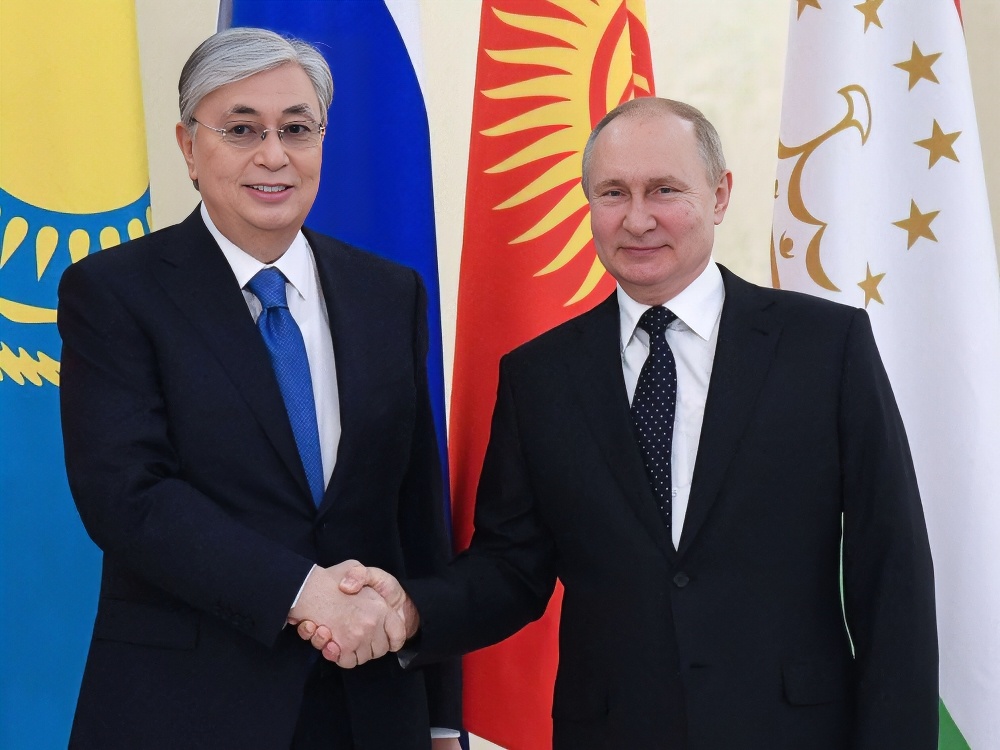
The timing of the parliamentary vote is notable, coinciding with President Tokayev’s visit to Moscow for discussions with Russian President Vladimir Putin. Kazakhstan, a major economic and political power in Central Asia with a population of nearly 20 million, has historically maintained close ties with Russia since gaining independence following the collapse of the Soviet Union in 1991.
The proposed legislation appears to follow the pattern established by Russia, which expanded its own ban on LGBTQ+ “propaganda” in 2022. The Russian law prohibits any public expression that could be interpreted as promoting or normalizing same-sex relationships, effectively silencing LGBTQ+ voices in the public sphere.
Kazakh LGBTQ+ activists have voiced strong opposition to the bill. At a press conference last week, activist Zhanar Sekerbayeva questioned the country’s sovereignty in the face of such legislative mimicry: “Are we an independent and sovereign republic, or are we a colony of the Russian Federation? As an educated and intelligent woman… I cannot understand why lawmakers allow themselves to violate the fundamental law of the constitution.”
The international response has been equally critical. Seven prominent human rights organizations, including Human Rights Watch, issued a joint statement prior to the vote, warning that the proposed ban would violate Kazakhstan’s international human rights commitments. These obligations include protections for children’s rights to education, information, and health.
Marie Struthers, Eastern Europe and Central Asia Director at Amnesty International, described the bill as a “deliberate attempt to institutionalize stigma, fear, and censorship.” She urged Kazakhstani authorities to “rebuff this harmful initiative and instead reaffirm the country’s commitment to human rights and principles of non-discrimination already enshrined in the constitution and other binding legislation.”
The EuroCentralAsian Lesbian Community condemned the legislation in even stronger terms, calling it a “deliberate attempt to dehumanize our communities, justify discrimination, and open the door to further repression.” The organization noted that these legal moves “echo the most harmful pro-Russian ultraconservative rhetoric spreading across the region.”
This legislative development is part of a concerning trend across parts of the former Soviet space, where similar anti-LGBTQ+ laws have gained traction in recent years. Human rights observers point to a broader pattern of conservative social policies advancing throughout the region, often accompanied by rhetoric framing LGBTQ+ rights as foreign or Western impositions that threaten traditional values.
For Kazakhstan, which has previously positioned itself as a modernizing force in Central Asia with aspirations for greater international integration, this pivot toward more restrictive social policies raises questions about the country’s future direction. Critics argue that such laws not only harm vulnerable communities but could potentially damage Kazakhstan’s international standing and relationships with Western partners who have emphasized human rights as a component of diplomatic relations.
As the bill advances through the legislative process, advocacy groups have vowed to continue opposing it, though the political reality of Kazakhstan’s governance structure leaves limited avenues for effective resistance if the measure has strong backing from the country’s leadership.
Fact Checker
Verify the accuracy of this article using The Disinformation Commission analysis and real-time sources.

12 Comments
This is a disappointing development that risks undermining Kazakhstan’s international reputation and relationships. I hope the Senate will carefully consider the human rights implications before approving this legislation.
As a major economic and political power in Central Asia, Kazakhstan has an opportunity to demonstrate regional leadership on human rights. I hope they will reconsider this regressive legislation and instead protect the rights of LGBTQ+ citizens.
This proposed ban on LGBTQ+ ‘propaganda’ raises serious concerns about freedom of expression and human rights in Kazakhstan. Mirroring Russia’s controversial laws is a concerning trend in the region.
I agree, these types of restrictions on free speech and information access are deeply troubling. Kazakhstan should reconsider this legislation and uphold democratic principles.
The timing of this vote, coinciding with President Tokayev’s visit to Moscow, is concerning. One wonders if Kazakhstan is aligning its policies too closely with Russia’s authoritarian model at the expense of democratic freedoms.
That’s a good point. Kazakhstan has historically had close ties with Russia, but it’s important they chart an independent course that upholds human rights and civil liberties, even if it means diverging from Moscow’s lead.
Kazakhstan has an opportunity to chart a more progressive course and demonstrate its independence from Russia’s regressive policies. I hope the government will reconsider this proposal and instead work to protect the rights of all its citizens.
While protecting children is important, this legislation seems overly broad and likely to have a chilling effect on LGBTQ+ advocacy and visibility. I hope the Kazakh government will engage with the concerns of human rights groups.
Absolutely, these kinds of laws often end up censoring and marginalizing LGBTQ+ people rather than genuinely protecting children. Kazakhstan should seek more inclusive and rights-respecting solutions.
While I understand the desire to protect children, this proposed ban seems overly broad and likely to have unintended consequences of censoring important information and advocacy. I hope the Kazakh government will engage in meaningful dialogue with all stakeholders.
While I understand the desire to protect children, this legislation seems overly broad and likely to censor important information and advocacy. I hope the Kazakh government will engage with the concerns of human rights groups and find a more balanced approach.
It’s alarming to see Kazakhstan following Russia’s authoritarian lead on LGBTQ+ rights. This move seems out of step with the country’s stated commitments to democracy and human rights. I hope cooler heads will prevail.