


Listen to the article
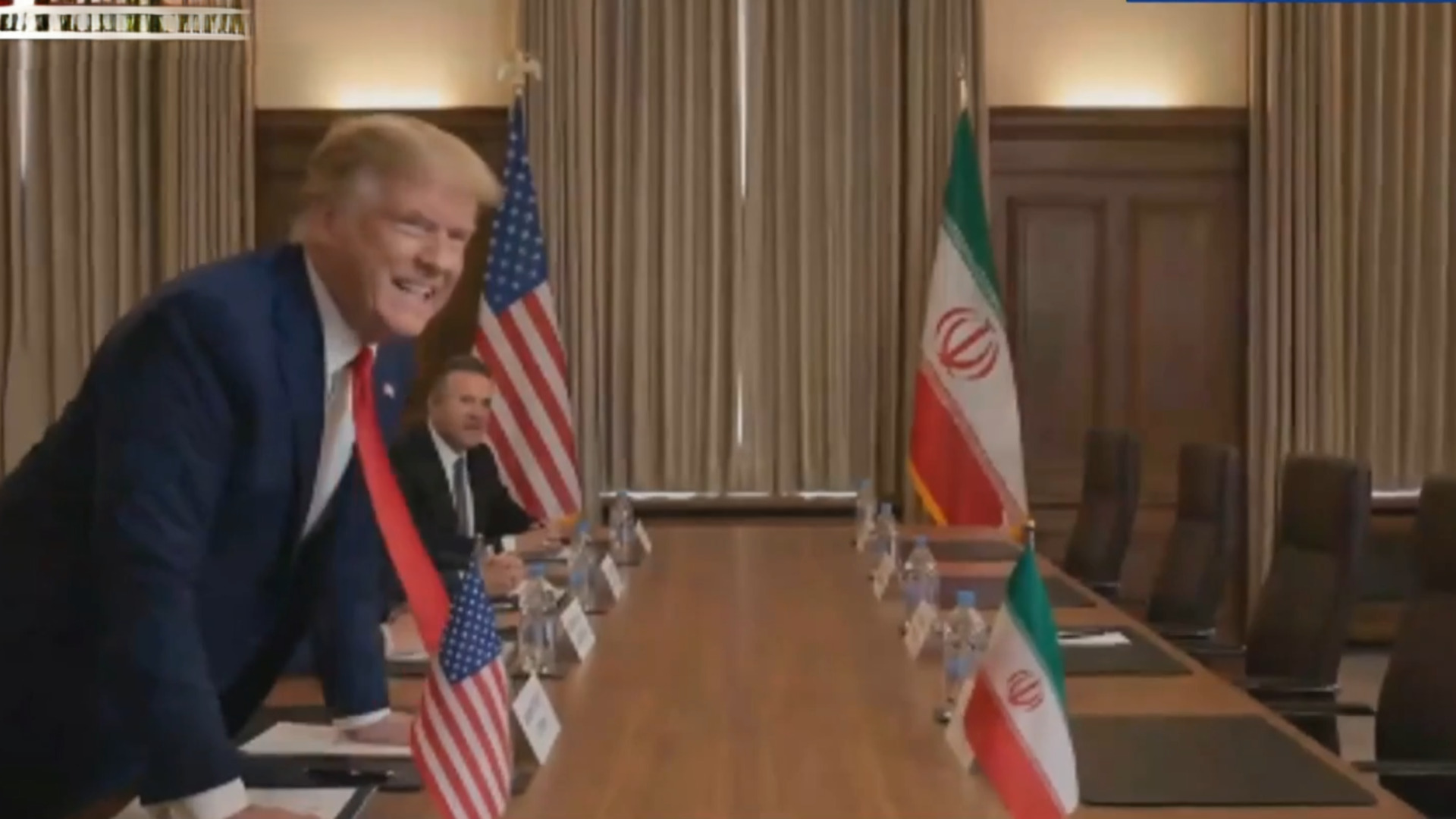
In a bizarre intersection of international relations, artificial intelligence, and social media, Iran’s consulate has sparked controversy by publishing an AI-generated video mocking former U.S. President Donald Trump, according to digital media expert Mark Nicholson of Stepmates Studios.
The incident represents a growing trend of governments and diplomatic missions deploying AI-generated content as tools for political messaging and propaganda on the international stage. This particular case has drawn attention for both its technological sophistication and its provocative diplomatic implications.
“What we’re seeing is a new evolution in how diplomatic entities are using artificial intelligence to shape narratives,” Nicholson explained in his analysis for Sky News Australia. “The Iranian consulate’s decision to target a former U.S. president demonstrates how AI can be weaponized for political communication across borders.”
The video reportedly uses deepfake technology to manipulate Trump’s likeness, placing him in compromising or humorous situations designed to diminish his stature. While specific details of the content remain unclear, experts note that the production quality suggests significant technological investment.
This is not the first time Iran has employed digital tactics against American political figures. Relations between the two nations have remained strained since the 1979 Islamic Revolution, with periodic escalations during Trump’s presidency, particularly following the U.S. withdrawal from the nuclear deal and the assassination of Iranian General Qassem Soleimani in 2020.
Digital security experts warn that such content represents a concerning development in international relations. “When official diplomatic channels start deploying AI to mock foreign leaders, it creates new challenges for diplomatic protocols that weren’t designed for the AI era,” noted Dr. Sarah Reynolds, a specialist in international communications at Georgetown University, when contacted about the incident.
The timing of the video’s release is particularly significant as it comes amid increasing tensions in the Middle East and ongoing negotiations regarding Iran’s nuclear program. Some analysts suggest the provocative content may be intended to disrupt diplomatic efforts or solidify anti-American sentiment domestically.
Social media platforms face mounting pressure to address AI-generated content that targets political figures. Most platforms have policies against deepfakes, but enforcement remains inconsistent, especially when content originates from government entities.
“The real concern here is the precedent it sets,” Nicholson emphasized. “If diplomatic missions normalize the use of AI to mock foreign leaders, we could see an escalation where governments engage in increasingly sophisticated digital attacks rather than conventional diplomacy.”
Media analysts have noted that the Iranian video represents part of a broader trend of nation-states investing in digital influence operations. Russia, China, and other countries have developed sophisticated capabilities to deploy manipulated media across platforms like Facebook, Twitter, and TikTok.
For American officials, the incident presents a complex challenge. Responding too forcefully risks elevating the propaganda, while ignoring it could signal vulnerability to digital provocations. The State Department has typically refrained from commenting on such incidents to avoid amplifying their reach.
The episode also highlights the growing concern about AI’s role in upcoming election cycles, with fears that foreign actors might deploy increasingly convincing deepfakes to influence political outcomes in the United States and other democracies.
Industry observers point out that the technology required to produce convincing deepfakes has become increasingly accessible, lowering barriers for state and non-state actors to produce sophisticated disinformation.
“What’s particularly troubling is how quickly these capabilities have spread,” Nicholson said. “Just a few years ago, this kind of content required significant technical expertise. Today, it can be produced with relatively accessible tools.”
As international relations increasingly play out in the digital domain, experts suggest that new diplomatic frameworks may be needed to address AI-generated content that targets foreign leaders, potentially establishing norms similar to those that govern more traditional forms of diplomatic communication.
Fact Checker
Verify the accuracy of this article using The Disinformation Commission analysis and real-time sources.

9 Comments
I’m curious to learn more about the specific details of the content in this AI-generated video targeting the former U.S. president. The portrayal of political figures in deepfake media warrants close scrutiny.
While the technical capabilities demonstrated in this AI video are impressive, I share the expert’s concerns about the potential for abuse and the blurring of truth and fiction in political discourse.
This case highlights the rapidly evolving landscape of AI-powered content creation and its potential impact on global diplomacy. It will be interesting to see how government agencies adapt their communication strategies in response.
The Iranian consulate’s decision to use AI technology for this type of political messaging is certainly an unconventional approach. It will be important to monitor the public’s reaction and any potential diplomatic fallout.
Absolutely, the use of deepfakes for political communication raises significant concerns around authenticity and trust. The international community will need to address these issues.
Interesting use of AI for political messaging, though the ethics of deepfake technology are concerning. I wonder how this video balances criticism with responsible representation.
While the technical sophistication of this deepfake video is impressive, I have reservations about its use for propaganda purposes. The line between political commentary and misinformation can be quite blurry.
The diplomatic implications of this AI-generated video are quite intriguing. I’m curious to see how the international community responds to this novel form of political communication.
Agreed, the use of AI to shape political narratives across borders raises complex questions around transparency and accountability.