


Listen to the article
Russia Opens New Cultural Center in Togo, Expanding African Influence Network
Russia has inaugurated a new cultural center in Togo, marking a significant expansion of its soft power strategy across Africa. The center, described by Russian officials as a pilot project, represents the first step in Moscow’s ambitious plan to deploy a global network of similar institutions, with a particular focus on the African continent.
The Russian presence in Africa already includes 24 “Russian Houses” that are officially dedicated to teaching the Russian language and promoting cultural exchange. These centers have been established as part of the Kremlin’s broader strategy to strengthen diplomatic and economic ties with African nations.
However, according to the Center for Countering Disinformation, these cultural institutions serve a more strategic purpose beyond their stated educational mission. The center claims these facilities actively work to create a narrative of shared historical experiences between Russia and African countries, largely by leveraging anti-colonial sentiments that remain powerful across much of the continent.
Security analysts note that these Russian cultural centers have become instrumental in disseminating Moscow’s perspective on global affairs, particularly regarding the ongoing war in Ukraine. Through cultural events, educational programs, and media outreach, these institutions promote specific narratives about traditional values while simultaneously working to discredit Western influence throughout Africa.
This push comes as Russia seeks to rebuild and expand its influence across Africa, a continent where the Soviet Union once maintained significant diplomatic, military, and economic relationships during the Cold War era. The current Russian strategy appears to blend cultural diplomacy with strategic communications to counter Western narratives and establish Russia as a preferred partner for African nations.
Particularly concerning for Western security officials is evidence suggesting these cultural centers may serve additional functions beyond public diplomacy. Experience from other African countries indicates that such institutions have allegedly become recruitment hubs for local citizens to join Russian military efforts, often through programs disguised as employment opportunities or internships.
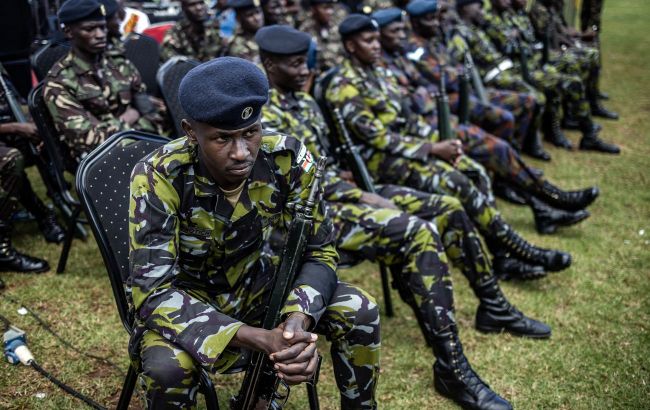
This recruitment pattern has gained increased attention following recent military developments in Ukraine. On April 23, Ukrainian authorities reported that a group of Kenyan citizens, allegedly recruited by Russia for combat operations, was killed in the Kharkiv region. Previous reports suggested that Russia had recruited over a thousand Kenyans using tourist visas and promises of substantial compensation.
The phenomenon extends beyond Africa. Military sources have confirmed the death of a mercenary from the Philippines in the Donetsk region. Meanwhile, the Indian government recently informed its Supreme Court that ten Indian citizens have died while fighting as part of Russian armed forces in Ukraine, prompting an investigation into potential forced recruitment.
These developments highlight Russia’s apparent strategy to internationalize its military operations in Ukraine through foreign recruitment, particularly targeting citizens from developing nations in Africa, Asia, and Latin America. The practice raises significant legal and ethical questions regarding international humanitarian law and the protection of vulnerable populations from exploitation in conflict zones.
For African nations, Russia’s expanding presence presents both opportunities and challenges. While Russian investment and diplomatic attention may offer economic benefits and an alternative to Western partnerships, the potential exploitation of citizens for military purposes creates serious humanitarian and diplomatic concerns.
The opening of the new center in Togo thus represents not just a cultural initiative but a significant move in Russia’s broader geopolitical strategy to rebuild influence in Africa while supporting its military objectives in Ukraine. As this network continues to expand, African governments and international organizations face the complex task of distinguishing between legitimate cultural exchange and more problematic forms of foreign influence.
Fact Checker
Verify the accuracy of this article using The Disinformation Commission analysis and real-time sources.

8 Comments
The expansion of Russia’s soft power strategy in Africa is quite concerning. Leveraging anti-colonial sentiments to promote their own agenda is a worrying tactic. I hope local authorities will closely monitor the activities of this new cultural center.
I agree. It’s important to maintain a critical eye and not let these centers become a Trojan horse for Russian interests under the guise of cultural exchange.
It’s worrying to hear that these cultural centers may have a more strategic purpose beyond their stated educational mission. I hope the local government and international observers will closely scrutinize the center’s activities to ensure it doesn’t become a vehicle for Russian influence and disinformation in the region.
This is an interesting development, though it’s concerning to hear the cultural center may be used for more strategic purposes beyond its stated educational mission. I wonder what kind of narratives they are trying to create and how that could impact local communities.
Good point. We should be vigilant about the true intentions behind these ‘cultural centers’ and ensure they don’t become tools for disinformation or further Russian influence in the region.
This is a concerning development, as it seems Russia is using these cultural centers as a way to expand its influence in Africa. I hope the international community closely monitors the activities of this new center to ensure it doesn’t become a tool for spreading disinformation or advancing Russian interests.
Agreed. It’s crucial that local authorities maintain oversight and don’t allow these centers to become a cover for more sinister motives. Transparency and accountability will be key.
While cultural exchange can be positive, the apparent dual purpose of these Russian cultural centers is troubling. I wonder what steps the Togolese government is taking to ensure the center’s activities remain transparent and aligned with the country’s interests.