


Listen to the article
In a case of mistaken identity fueled by social media, at least two men named Steve Grove found themselves wrongly accused of a fatal shooting by an Immigration and Customs Enforcement officer in Minneapolis last week.
The confusion began Wednesday when an ICE agent, later identified as Jonathan Ross, shot and killed Renee Nicole Good as she sat in the driver’s seat of her car on a Minneapolis street. While President Trump and federal officials maintained the agent acted in self-defense, state and local leaders have pushed for an independent investigation into the incident.
Hours after the shooting, misinformation about the shooter’s identity began spreading rapidly online. By Wednesday afternoon, an image allegedly showing the officer’s face appeared on X (formerly Twitter), seemingly generated by Elon Musk’s AI chatbot Grok. A user then commented that the person pictured was “Steve Grove,” supposedly an employee of The Minnesota Star Tribune.
Despite the newspaper publisher bearing little resemblance to the actual ICE agent, the false information went viral, creating chaos for multiple men sharing that name.
“It was surreal,” said Steven Grove, a gun-shop owner in Springfield, Missouri, about 600 miles from the shooting scene. Grove, a military veteran, said he received several Facebook messages Wednesday evening accusing him of being the shooter. By Thursday, his business was flooded with dozens of phone calls, many directly accusing him of murder. He emphasized he has never even been to Minnesota.
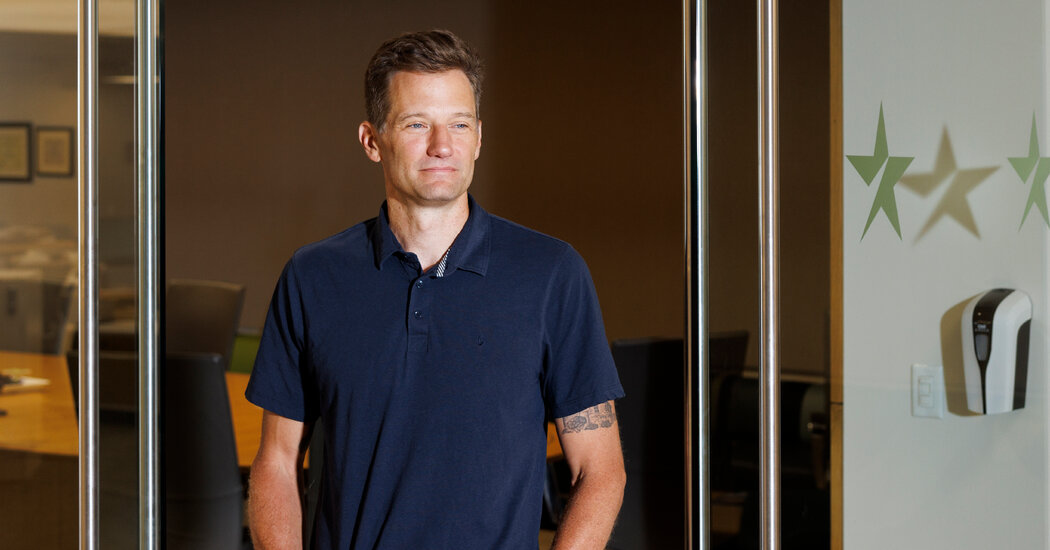
The publisher at The Star Tribune, also named Steve Grove, faced similar accusations. According to Jonathan Sperber, chief operating officer of misinformation tracking company Gudea, approximately 6,200 posts mentioning Steve Grove have appeared across seven social media platforms since Wednesday, with about half specifically targeting the Minneapolis-based Grove.
“It’s just such a stark reminder of this world we live in,” the publisher said, “in which people are just searching for their own justice and not considering that maybe going to local news organizations to get valuable fact-checked information might be a good place to start.”
The incident highlights the dangerous speed at which misinformation can spread in the digital age. Within hours of the shooting, unverified claims and AI-generated images had created a false narrative that real people then suffered consequences from, despite having no connection to the actual events.
The confusion over the shooter’s identity has complicated an already contentious situation. The shooting of Good has sparked protests in Minneapolis, a city still healing from the social unrest following George Floyd’s murder in 2020. While federal authorities stand by the agent’s actions, local officials have questioned the circumstances surrounding Good’s death.
This case illustrates the growing challenge of combating misinformation during breaking news events. Social media platforms, particularly those with AI tools capable of generating false but realistic-looking content, can rapidly spread unverified claims to millions of users before traditional news sources can verify facts.
For the innocent men caught in this web of misinformation, the experience has been both frightening and frustrating. While authorities work to investigate the actual shooting, these bystanders have found themselves forced to defend against accusations of a crime they had nothing to do with, highlighting how quickly online speculation can impact real lives.
The ICE shooting investigation continues as authorities work to determine the full circumstances of Good’s death while the affected Steve Groves attempt to clear their names from the false allegations that spread across social media.
Fact Checker
Verify the accuracy of this article using The Disinformation Commission analysis and real-time sources.

8 Comments
This is a concerning case of mistaken identity fueled by social media. I hope the investigation uncovers the truth and brings accountability for any false accusations.
This highlights the need for more responsible use of social media and better fact-checking, especially when it comes to sensitive issues involving law enforcement. Innocent people should not be subjected to false accusations.
It’s troubling to see how quickly unsubstantiated claims can spread and cause chaos. We should be more careful about verifying information, especially around sensitive incidents like this.
I agree, the speed at which misinformation can spread online is really alarming. This case shows the importance of waiting for the facts before jumping to conclusions.
This is a troubling situation. Social media misinformation can have real consequences for innocent people. We should wait for the facts to come out before jumping to conclusions.
I agree, it’s important to be cautious about unverified claims, especially when they can implicate people. Let’s hope the investigation provides clarity on what actually happened.
The rush to spread unverified information online is worrying. We need to be more vigilant about fact-checking before sharing sensitive details, especially around law enforcement incidents.
Absolutely. Social media amplifies misinformation so quickly. This case highlights the need for responsible reporting and online behavior to avoid harming innocent people.