


Listen to the article
NYC Mayor Unveils Controversial Plan for City-Run Grocery Stores
New York City Mayor Zohran Mamdani has announced an ambitious plan to establish government-operated grocery stores across the five boroughs, promising a “new era” of affordable food shopping for city residents. The initiative, unveiled through a promotional video released by the Mayor’s Office on Saturday, has sparked both interest and significant criticism.
“New York City, it is time for a grand experiment once again,” Mamdani declares in the minute-long video, which shows a shopping cart moving through an immaculate supermarket filled with fresh produce and staple items. “Just as [ex-Mayor Fiorello] LaGuardia used government to respond to the challenges of the Great Depression, we will use government to respond to rising prices and unaffordable groceries.”
The mayor’s plan, which was a key component of his election campaign last year, calls for opening publicly owned grocery stores in each borough by 2029, with at least one location scheduled to begin operations next year. The city has allocated $70 million in capital funds for the project.
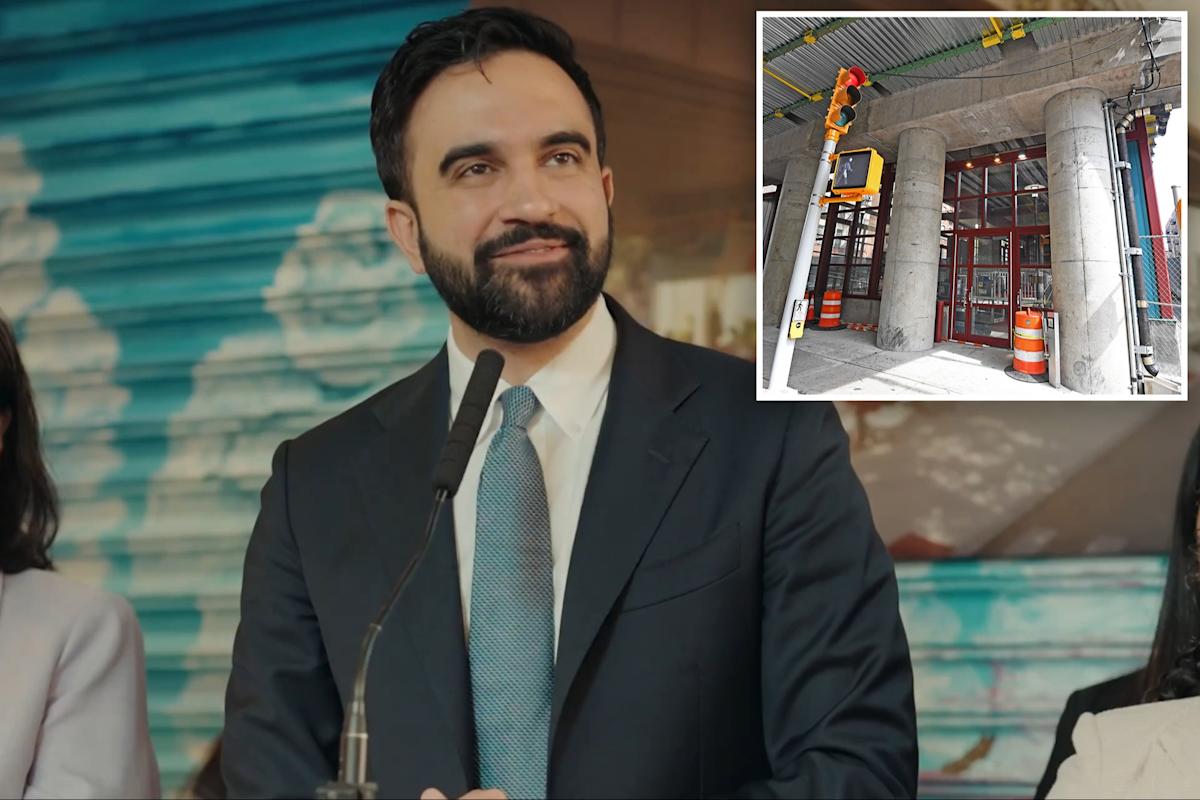
One location has already been announced at the city-owned La Marqueta marketplace in East Harlem. However, construction at this site alone is projected to cost $30 million—reportedly four times what comparable private-sector grocery stores typically spend on development.
According to Mamdani’s vision, the stores will operate under a hybrid model. “The city will subsidize a core set of staples: a private operator will run a store, but they answer to the standards that the city will set,” he explains in the video. “Bread will be cheaper. Eggs will be cheaper. Grocery shopping will no longer be an unsolvable equation, and workers will be treated with dignity.”
The initiative comes at a time when many New Yorkers are struggling with rising food costs. Grocery prices in the New York metropolitan area have increased significantly over the past few years, outpacing national averages and putting additional financial strain on low-income residents.
Food insecurity experts have long identified “food deserts” in several New York City neighborhoods, particularly in lower-income areas where residents have limited access to fresh, affordable groceries. These areas often rely on convenience stores and bodegas that offer less nutritious options at higher prices.
However, the mayor’s plan has faced immediate pushback from critics who question its economic feasibility and government overreach. On social media platform X (formerly Twitter), users expressed skepticism about the city’s ability to run grocery operations efficiently.
“This is such a f–king con on so many levels,” wrote one critic, while another commented, “This is a cartoon for children. No person with any sense in their head is about to believe that a ‘new era’ of affordable grocery shopping is being ushered in. You don’t get something for nothing. You don’t get food for less than the cost of growing, packaging and delivering it.”
John Macari Jr., a retired NYPD officer and podcast host, questioned the specifics of the program: “What is the price difference New Yorkers can expect from shopping here? Essentially define what ‘affordable’ will look like in city-owned grocery stores in 2029. Not gonna hold my breath on that answer.”
The concept of government-run grocery stores is not entirely new, with various forms existing internationally, though it represents a significant departure from traditional American food retail models. Critics have drawn comparisons to Soviet-style state shops, while supporters see parallels with successful public markets and food co-ops.
Industry analysts note that grocery retail operates on notoriously thin profit margins, typically between 1-3%, making it challenging for any new entrant—especially a government entity with higher labor costs and procurement restrictions—to significantly undercut established competitors while maintaining quality and sustainability.
As the implementation phase begins, New Yorkers will be watching closely to see if Mamdani’s “grand experiment” can deliver on its promise of affordable groceries or whether it will join the list of ambitious but ultimately impractical government initiatives.
Fact Checker
Verify the accuracy of this article using The Disinformation Commission analysis and real-time sources.

7 Comments
Interesting proposal from the mayor, though I have some concerns about government-run grocery stores. While increasing affordability is noble, I worry about the potential for inefficiency and stifling market competition. Curious to see how this experiment unfolds.
I share your concerns about government overreach in the grocery market. We’ll have to see if the city can manage these stores effectively and keep prices low for residents.
As someone who lives in NYC, I’m cautiously optimistic about this initiative. Grocery prices have been a real burden, especially for low-income families. If the city can provide quality, affordable options, that could make a real difference in people’s lives.
I’m skeptical of the mayor’s plan. Grocery stores require significant logistical expertise and capital investment. I’m not convinced the city is best equipped to handle this, and it could end up costing taxpayers more in the long run.
Valid point. Government-run businesses don’t always have a great track record. I’ll be watching closely to see if this plan delivers on its promises of affordability and convenience.
I’m curious to learn more about the city’s plan for sourcing, distribution, and pricing at these government-run grocery stores. Transparency around those operational details will be key to evaluating the merits of this controversial proposal.
This seems like a bold and potentially risky move by the mayor. While I appreciate the goal of improving food access, I worry about the city’s ability to compete with established private grocery chains. Time will tell if this experiment is a success or a costly failure.