


Listen to the article
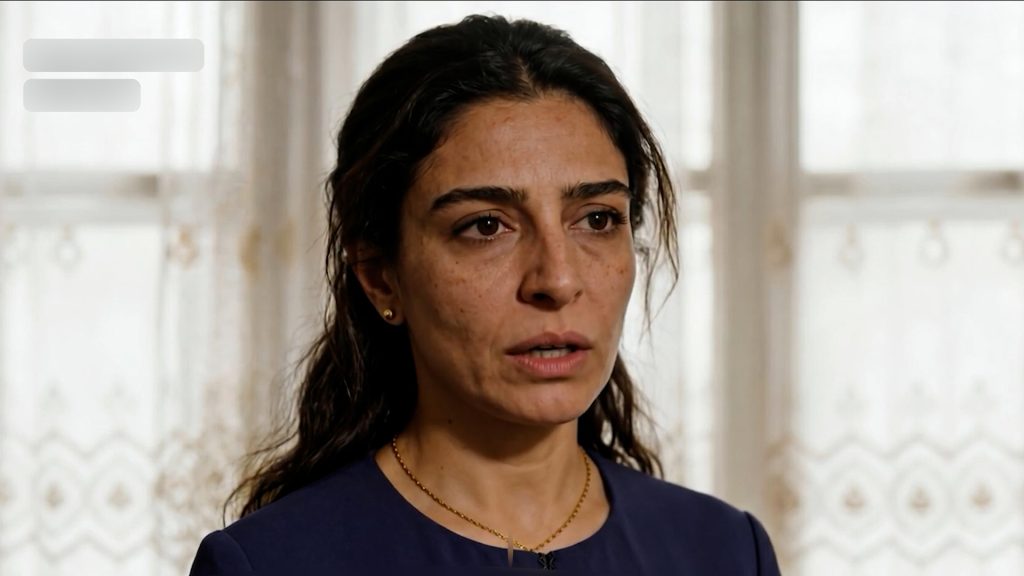
International concern is growing over the proliferation of artificially generated media purporting to show female victims of the Iranian regime, according to a recent Al Jazeera investigation. These manipulated videos and images have gained significant traction on social media platforms and have even been shared by high-ranking officials, including the U.S. president.
The fabricated content, often created using sophisticated AI tools, has become a powerful vehicle for shaping international opinion regarding Iran. Digital forensics experts have identified numerous instances where images of supposed Iranian victims were entirely generated or heavily manipulated, yet were presented as authentic documentation of human rights abuses.
“What we’re seeing is a disturbing trend where digital manipulation serves political narratives,” said Dr. Farida Mahmoudi, a media analyst specializing in Middle Eastern politics. “The emotional response these images generate can quickly override critical thinking about their authenticity.”
The circulation of such content comes at a particularly sensitive time in Iran-West relations, with ongoing tensions regarding nuclear negotiations, regional conflicts, and international sanctions. Human rights concerns, particularly regarding women’s rights in Iran, have long been a focal point of Western criticism of the Islamic Republic.
Media watchdog organizations have expressed alarm at how quickly these fabricated materials spread. In several documented cases, AI-generated imagery was shared millions of times before being identified as fake, with fact-checks rarely achieving the same reach as the original misinformation.
The phenomenon highlights a troubling evolution in modern propaganda techniques. Unlike traditional misinformation that might distort facts, AI-generated content creates entirely fictional scenarios that can be tailored to exploit specific emotional triggers. When depicting supposed victims of state violence, these images often incorporate culturally resonant symbols and scenarios designed to maximize emotional impact.
Iranian officials have denounced the spread of such content as “digital warfare” intended to destabilize the country and justify foreign intervention. Government spokespeople point to the sharing of unverified content by Western leaders as evidence of deliberate campaigns to undermine Iran’s sovereignty.
Human rights advocates face a complex challenge in this environment. While documented human rights concerns in Iran remain valid and deserve attention, the proliferation of fake content threatens to undermine legitimate advocacy work.
“When real abuses are mixed with fabricated ones, it becomes easier to dismiss all claims as potential fakes,” explained Hana Jafari from the International Digital Rights Coalition. “This ultimately harms genuine victims whose stories deserve to be heard and believed.”
Tech companies have struggled to effectively combat the spread of such sophisticated manipulated media. While platforms like Twitter (now X), Facebook, and Instagram have implemented policies against manipulated content, the volume of material and the speed at which it spreads often outpaces moderation efforts.
The situation underscores the evolving challenges of the AI era, where distinguishing between authentic and fabricated content becomes increasingly difficult for average users. Media literacy experts recommend that audiences approach emotional content with heightened skepticism, particularly when it aligns perfectly with existing political narratives.
As tensions between Iran and Western nations continue, the digital information landscape will likely remain a contested space. The deployment of increasingly sophisticated AI tools to create convincing false narratives presents a significant challenge to factual reporting and informed public discourse.
For citizens attempting to understand complex geopolitical situations, experts recommend consulting multiple sources, prioritizing established news organizations with rigorous fact-checking processes, and maintaining healthy skepticism toward emotionally provocative content, especially when it lacks clear attribution or verification.
The phenomenon is not limited to Iran, with similar tactics being observed in coverage of conflicts and political tensions worldwide, signaling a troubling new front in the global battle against misinformation.
Fact Checker
Verify the accuracy of this article using The Disinformation Commission analysis and real-time sources.

8 Comments
While digital manipulation can be a powerful tool, it’s troubling to see it used to shape political narratives and skew public opinion. We must demand more transparency and accountability around the use of synthetic media, particularly in sensitive geopolitical contexts.
This is a complex issue with significant implications. On one hand, the use of AI-generated content for propaganda is deeply concerning and undermines public trust. On the other, tensions between Iran and the West are high, and both sides may be leveraging media for political gain.
The use of AI-generated ‘victim’ images is a disturbing tactic that plays on our emotions and undermines rational discourse. While the tensions between Iran and the West are complex, we cannot allow synthetic media to hijack the narrative and skew public opinion.
The proliferation of AI-generated ‘victim’ images is a worrying development that highlights the need for greater media literacy and critical assessment of online content. Fact-checking and digital forensics will be crucial in countering the spread of disinformation.
This is a concerning development that highlights the need for greater scrutiny of online content, especially when it comes to sensitive geopolitical issues. We must be vigilant in distinguishing truth from fiction to prevent the erosion of trust and accountability.
Concerning to see the use of AI-generated content for propaganda purposes, especially when it creates false narratives around human rights issues. We need to be vigilant about verifying the authenticity of online media, even from high-ranking sources.
What are the potential long-term consequences of this type of synthetic media being used in political and diplomatic contexts? It seems to erode the very foundations of truth and accountability that democratic societies depend on.
As someone with an interest in mining and energy, I’m troubled to see how this type of propaganda could influence perceptions and policies related to those industries, particularly in volatile regions like the Middle East. Transparency and accountability are crucial.