


Listen to the article
The growing acceptance of profanity in American politics represents a significant shift in public discourse, with leaders from both major parties increasingly using explicit language in their communications. What began as occasional gaffes has evolved into intentional messaging strategies as politicians adapt to a media environment that rewards provocative content.
When Vice President Joe Biden whispered to President Barack Obama in 2010 that the Affordable Care Act was a “big f——— deal,” his hot mic moment caused a scandal. The incident highlighted how unusual public profanity from national leaders was at that time.
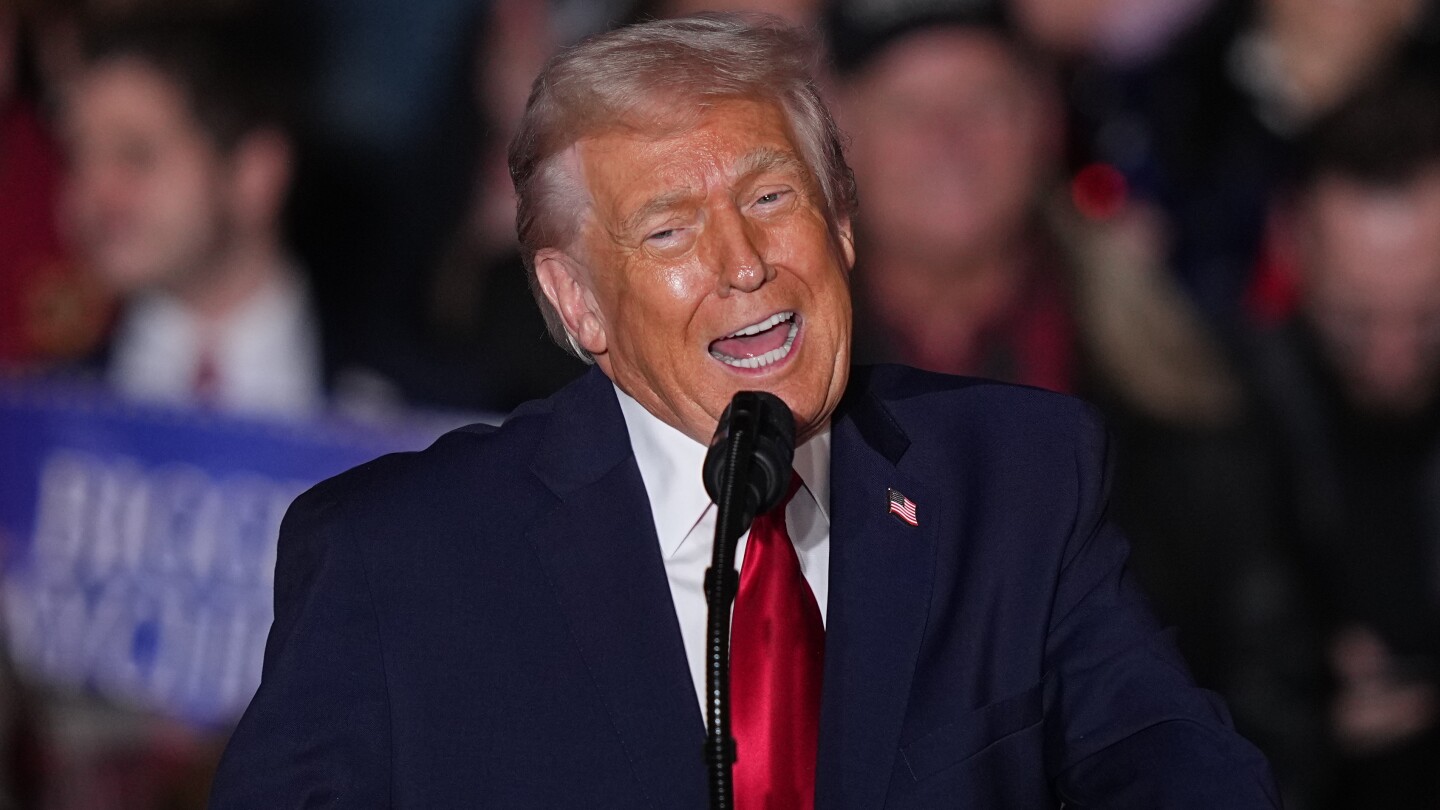
Today, such language has become commonplace. President Donald Trump has embraced explicit language throughout his administration, recently using profanity at least four times during a Pennsylvania rally focused on inflation. He even acknowledged his previously denied 2018 comment about “shithole countries” in reference to Haiti and African nations. During a recent Cabinet meeting, Trump referred to alleged drug smugglers as “sons of b——-s” with cameras rolling.
The Trump administration’s approach to language has influenced others in Republican leadership. Vice President JD Vance called a podcast host a “dips—t” in September and joked during Thanksgiving remarks to troops that anyone who claimed to like turkey was “full of s—-.” When a National Guard member was killed in Washington last month, top Trump aide Steven Cheung told a reporter to “shut the f—- up” after she suggested the deployment was politically motivated.
Democrats have also adopted more explicit language in their communications. Former Vice President Kamala Harris drew enthusiastic applause when she described members of the Trump administration as “mother———- are crazy.” After Trump called for executing several Democratic members of Congress, Senator Chris Murphy (D-Connecticut) urged people with influence to “pick a f——— side.” Senate Democratic leader Chuck Schumer warned that the administration cannot “f—- around” with the release of Jeffrey Epstein files.
This trend reflects the increasingly polarized political landscape and the mechanics of digital platforms where provocative content generates engagement. Utah Governor Spencer Cox, a Republican who has called for greater civility, placed blame on social media companies during a recent event at Washington National Cathedral. “If you want to be angry at someone, be angry at the social media companies,” Cox said. “It’s not a fair fight. They’ve hijacked our brains. They understand these dopamine hits. Outrage sells.”
Political coarseness isn’t new, but the public nature of it represents a significant change. Previous administrations kept their crude language behind closed doors. Recordings from President Lyndon B. Johnson’s administration revealed his private use of profanity, while President Richard Nixon later expressed regret that his Oval Office language was captured on tape.
“Politicians have always sworn, just behind closed doors,” explained Benjamin Bergen, a cognitive science professor at the University of California-San Diego. “The big change is in the past 10 years or so, it’s been much more public.”
As the 2026 midterms and 2028 presidential campaign approach, it remains unclear whether explicit language will become further normalized or if voters will tire of the approach. Republicans who attempt to mimic Trump’s style don’t always resonate with voters, while Democrats risk appearing inauthentic if their profanity seems forced.
Some politicians still resist the trend. Representative Don Bacon (R-Nebraska) called it unnecessary, saying, “If that’s what it takes to get your point across, you’re not a good communicator.”
There’s also the risk that overused profanity loses its impact. Comedian Jerry Seinfeld has described abandoning swear words in his routines because he felt they produced only superficial reactions rather than genuine humor.
For Trump specifically, the most controversial language has often involved not traditional profanity but derogatory terms perceived as hurtful. His administration has defended such language as evidence of authenticity, with White House spokesperson Liz Huston stating that Trump “doesn’t care about being politically correct, he cares about Making America Great Again.”
Occasionally, politicians do express regret for their word choices. Pennsylvania Governor Josh Shapiro recently caught himself after using coarse language in an interview with The Atlantic, saying, “I shouldn’t say ‘cover her a—.’ I think that’s not appropriate.”
Fact Checker
Verify the accuracy of this article using The Disinformation Commission analysis and real-time sources.

12 Comments
I’m of two minds on this. On one hand, the explicit language can make politicians seem more down-to-earth. But on the other, it also lowers the bar for civil and respectful dialogue.
Exactly. It’s a nuanced topic without easy answers. We have to weigh the potential benefits against the risks of normalizing more confrontational, less dignified rhetoric.
Interesting to see how political discourse has shifted towards more casual, explicit language. Reflects a changing cultural landscape, for better or worse. Curious to hear others’ takes on this trend.
The growing acceptance of profanity in politics is an interesting cultural shift, though I’m not sure it’s entirely positive. It may connect with some voters, but could also further erode norms of civility.
Curious to see how this trend in political speech evolves. Does it genuinely connect with voters, or is it more about attention-grabbing? Either way, it’s an interesting cultural phenomenon to observe.
The increased use of profanity by political leaders is a complex issue. It reflects a desire for authenticity, but also raises concerns about setting a poor example and coarsening public discourse.
This is a complex issue that reflects broader changes in how we communicate publicly. While the explicit language may resonate with some, it also sets a concerning precedent for political discourse.
This evolution in political speech mirrors changes in broader media and social trends. Not sure if it’s positive overall, but it’s an interesting cultural shift to observe.
Good point. The normalization of explicit language is a double-edged sword. It may connect with some, but also risks further eroding norms of decorum in the public sphere.
The increased use of profanity by political leaders is a nuanced topic. On one hand, it may make them seem more ‘real’ to some. But it also risks further degrading norms of civil discourse. Not an easy issue to assess.
Love it or hate it, the use of profanity by political leaders does seem to resonate with some voters. Reflects a desire for more ‘authentic’ communication, even if it pushes boundaries of civility.
I agree, it’s a complex issue. On one hand, it can make politicians seem more relatable. But it also sets a concerning precedent and lowers the bar for civil discourse.