


Listen to the article
Financial Boost for All: “Trump Accounts” Promise $1,000 for Newborns
In a significant initiative aimed at fostering wealth-building opportunities for the next generation, President Donald Trump’s recent tax legislation introduces “Trump Accounts,” a program that provides a $1,000 investment for newborn Americans. The program represents an attempt to democratize access to financial markets and create a foundation for future wealth across all economic backgrounds.
Under the newly signed law, every child born a U.S. citizen between January 2025 and December 2028 will be eligible to receive $1,000 in seed money from the U.S. Treasury. This money will be invested in the stock market through private financial institutions, with the funds becoming accessible when the child turns 18.
The accounts are designed specifically for long-term growth, with strict guidelines on management and usage. Financial institutions handling these accounts must invest in U.S. equity index funds and cannot charge more than 0.1% in annual fees. When the beneficiaries reach adulthood, they can only withdraw funds for specific purposes such as education, purchasing a home, or starting a business.
Parents can enhance these accounts by contributing up to $2,500 annually in pre-tax income, similar to retirement account contributions. Additional contributions from employers, family members, and philanthropic organizations are permitted, with an annual cap of $5,000, excluding contributions from governments and charities.
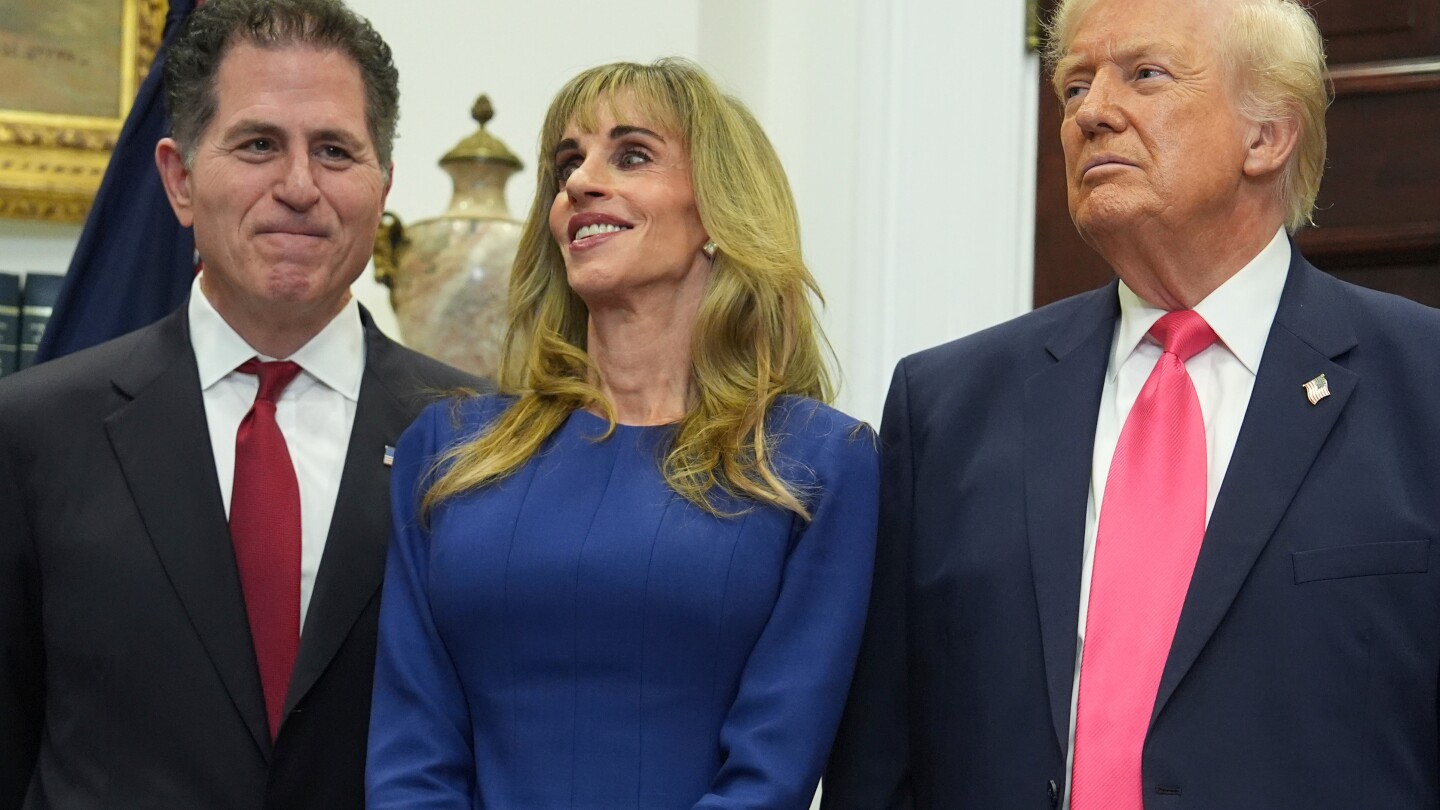
For children who won’t benefit from the program’s full implementation, philanthropists Michael and Susan Dell have stepped in with a historic donation announced Tuesday. The Dell family will provide $250 in seed money for children under 10 who live in ZIP codes with median family incomes below $150,000 and who won’t receive the government’s $1,000 contribution.
The program sits at the intersection of social policy and market capitalism. Proponents view it as a way to increase participation in capital markets at a time when concerns about wealth inequality have fueled interest in socialist policies. Currently, only about 58% of U.S. households own stocks or bonds, according to the Securities and Exchange Commission, with nearly half the total stock value concentrated in the hands of the wealthiest 1% of Americans.
“This initiative gives children from all backgrounds a stake in America’s economic success,” said a Treasury Department official who requested anonymity to discuss the program’s goals. “We want every child to have the opportunity to benefit from market growth, regardless of their family’s financial situation.”
The implementation timeline shows accounts will open for contributions in July 2026, though parents of eligible children can register now using IRS Form 4547, which will soon be available on the program’s website. Complete registration procedures will be established by May, with a dedicated website launching in July.
Several states, including California, Connecticut, and the District of Columbia, have already launched similar “baby bonds” programs, though these typically target only children in poverty, those in foster care, or those who lost a parent to COVID-19. The Trump Accounts program differs significantly by extending benefits to all newborn citizens, regardless of family income.
Critics of the program point to several limitations. Some argue that the accounts do little to address immediate childhood poverty, with benefits materializing only after 18 years. Others note that affluent families who can afford to make the maximum annual contributions will realize substantially greater benefits than low-income families who cannot contribute additional funds.
Some policy analysts have also highlighted that the same tax legislation that created these accounts reduced funding for other social programs that provide immediate assistance to vulnerable families, including food assistance and Medicaid.
Financial projections suggest that the initial $1,000 seed money would grow to approximately $3,570 over 18 years, assuming a 7% annual return. While this represents a meaningful start, critics argue it falls short of addressing systemic wealth inequality in a comprehensive way.
As the program moves toward implementation, both supporters and critics will be watching closely to see whether “Trump Accounts” fulfill their promise of democratizing wealth creation or whether they ultimately reinforce existing economic divides.
Fact Checker
Verify the accuracy of this article using The Disinformation Commission analysis and real-time sources.

9 Comments
Interesting initiative to help build wealth for the next generation. While the details need scrutiny, the goal of democratizing access to financial markets is admirable. I wonder how the program will be implemented and whether it will truly benefit lower-income families.
Good point. The success will depend on the implementation details and ensuring equitable access. It’s a complex challenge, but a worthy effort if designed properly.
While the goal of boosting wealth-building opportunities is admirable, I have some concerns about the potential for this program to be politicized or misused. Rigorous oversight and transparency will be crucial.
That’s a valid concern. Strict guidelines and independent oversight will be essential to ensure the program benefits all eligible families equitably, regardless of political affiliation.
A $1,000 investment for every newborn citizen is a bold move. I’m curious to see how the program will work in practice and whether it will have the intended impact of creating a stronger financial foundation for young Americans.
Agreed, the potential impact could be significant if the program is well-executed. It will be interesting to follow the progress and evaluate the outcomes.
While the idea of providing a financial boost for newborns is intriguing, I’m curious about the potential unintended consequences. Will this program distort the market in any way, and how will it be funded long-term?
This seems like an ambitious and potentially transformative initiative, but the devil will be in the details. I hope the program is designed and implemented in a way that truly empowers families across the economic spectrum.
Absolutely. The key will be striking the right balance between accessibility, long-term investment goals, and protecting against abuse or misuse of the funds.