


Listen to the article
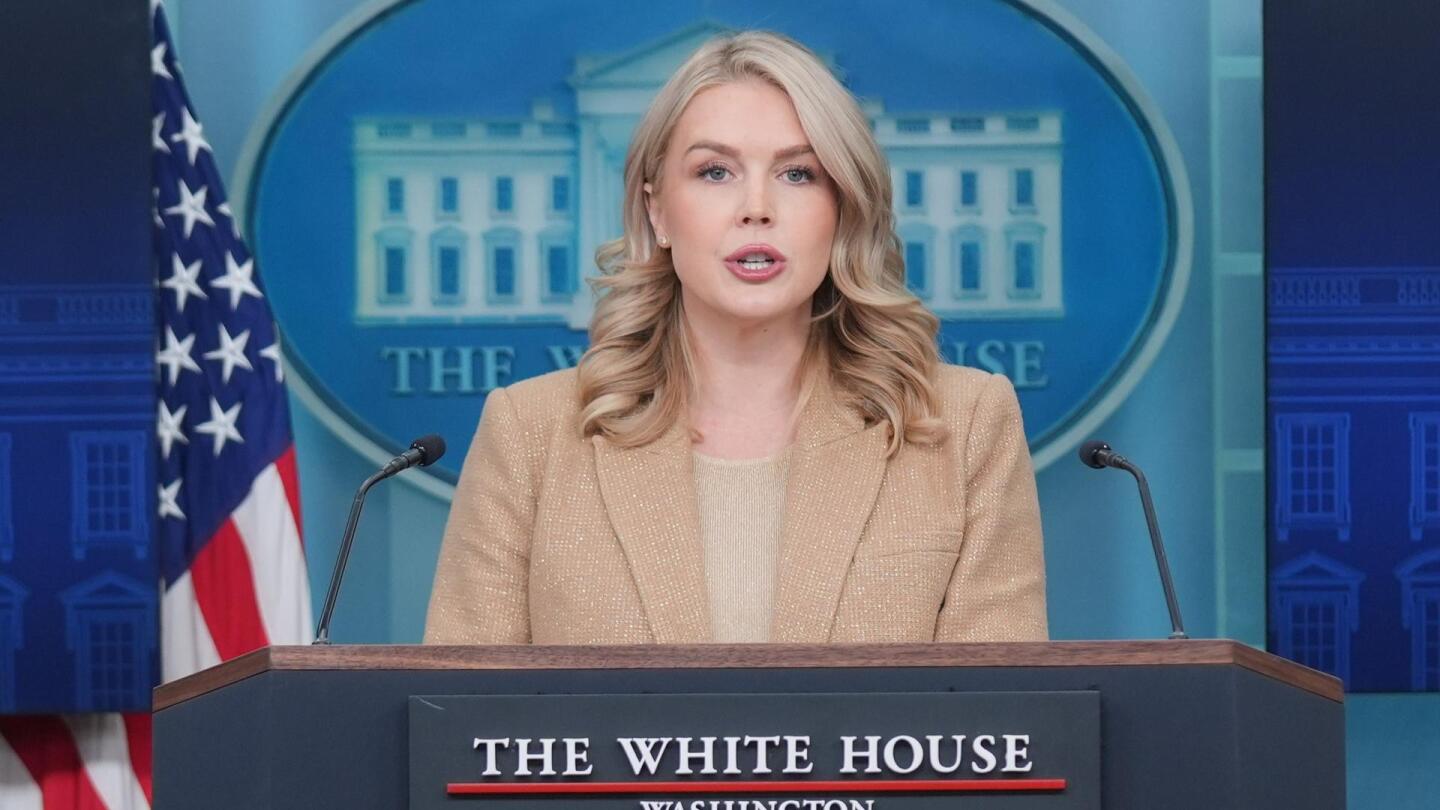
The White House on Monday defended a controversial Navy operation in the Caribbean Sea, confirming that a naval admiral authorized a second strike on a suspected drug trafficking vessel during an incident that has sparked bipartisan concerns in Washington.
The September attack, which has drawn scrutiny from lawmakers across the political spectrum, was conducted in accordance with legal protocols, according to White House officials. The administration’s statement comes amid growing questions about the nature and justification of military operations targeting drug smuggling activities in international waters.
“The operation was carried out following established rules of engagement and within the parameters of our counter-narcotics mission in the region,” said a senior White House official who briefed reporters on condition of anonymity to discuss sensitive operational details.
According to maritime security experts, the Caribbean Sea remains a critical transit route for illicit substances bound for the United States and European markets. Drug interdiction operations in these waters involve complex coordination between multiple U.S. agencies including the Navy, Coast Guard, and Drug Enforcement Administration.
The second strike on the vessel—ordered after an initial engagement—has become a particular focus of congressional inquiry. Defense officials indicated the follow-up action was deemed necessary after surveillance suggested continued activity aboard the vessel, though specific details remain classified.
Lawmakers from both parties have raised concerns about potential overreach in the use of military force for drug interdiction. Senator Mark Warner, who chairs the Intelligence Committee, previously called for a “thorough review of the operational decisions made during this encounter” to ensure proper protocols were followed.
The incident highlights the ongoing challenges in America’s decades-long fight against drug trafficking. The U.S. Southern Command, which oversees military operations in the Caribbean and Latin America, reported intercepting approximately 284 metric tons of cocaine during maritime operations last year, representing only a fraction of the estimated total shipments.
Maritime law experts note that interdiction operations in international waters involve complex legal considerations. “These operations must balance aggressive enforcement against international maritime law and human rights concerns,” said Dr. Maria Rodriguez, a specialist in maritime security at Georgetown University. “The second strike question centers on whether there was a continuing threat that justified additional force.”
The White House emphasized that the operation was part of broader counter-narcotics efforts that have seen increased resources directed toward the Caribbean basin in recent years. U.S. officials have expressed growing concern about sophisticated trafficking networks using semi-submersible vessels and remote-controlled craft to evade detection.
For communities across the United States struggling with addiction, these interdiction efforts represent just one component of the government’s approach to combating drug trafficking. Public health advocates continue to press for greater emphasis on treatment and prevention alongside enforcement measures.
Congressional oversight committees are expected to receive a classified briefing on the September operation in the coming weeks. Representative Michael McCaul, ranking member of the House Foreign Affairs Committee, indicated that lawmakers would “thoroughly examine the decision-making process and operational outcomes” to ensure appropriate use of military assets.
The incident comes at a time of increased tensions in the Caribbean region, where Venezuelan waters have seen growing Russian naval presence and where Chinese investments have raised strategic concerns for U.S. policymakers.
As investigations continue, the White House maintains that counter-narcotics operations in the Caribbean will proceed under existing authorities, with continued coordination between military, law enforcement, and intelligence agencies to disrupt drug trafficking routes threatening American communities.
Fact Checker
Verify the accuracy of this article using The Disinformation Commission analysis and real-time sources.

10 Comments
It’s good to see bipartisan concerns being raised about this incident. While drug interdiction is important, the use of military force must always be carefully evaluated. I hope there is a thorough, transparent review of the decision-making process.
Agreed. The Caribbean remains a critical smuggling route, but any military operations must adhere to international laws and norms. Transparency is crucial for maintaining public trust.
I’m curious to learn more about the specifics of this incident and the legal justifications for the second strike. Interdicting drug trafficking is important, but it’s crucial that military operations adhere to international laws and norms.
Agreed. Transparency around the rules of engagement and coordination between agencies is key to maintaining public trust in these types of sensitive operations.
Interesting development in the ongoing battle against drug trafficking in the Caribbean. It’s good to hear the White House defend the admiral’s actions as lawful and in accordance with established protocols. Maintaining security and rule of law in international waters is a complex challenge.
The Caribbean remains a critical smuggling route, so targeted interdiction efforts are necessary. Glad to see the operation was carried out properly, even if the details are sensitive.
Drug smuggling remains a major challenge in the Caribbean, so I appreciate the White House defending the admiral’s actions as lawful. However, I hope there is thorough scrutiny to ensure these operations are truly justified and proportional.
Absolutely. Maintaining the delicate balance between effective interdiction and respect for sovereignty in international waters is an ongoing challenge.
This is a complex issue with valid concerns on both sides. I’m glad the White House is defending the admiral’s actions as lawful, but I hope there is rigorous oversight to ensure these types of operations are truly necessary and proportional.
Absolutely. Maintaining security while respecting international laws and norms is an ongoing challenge. Careful coordination and transparency will be key going forward.