


Listen to the article
West Virginia’s Foster Youth Left Behind as State Returns Millions in Federal Aid
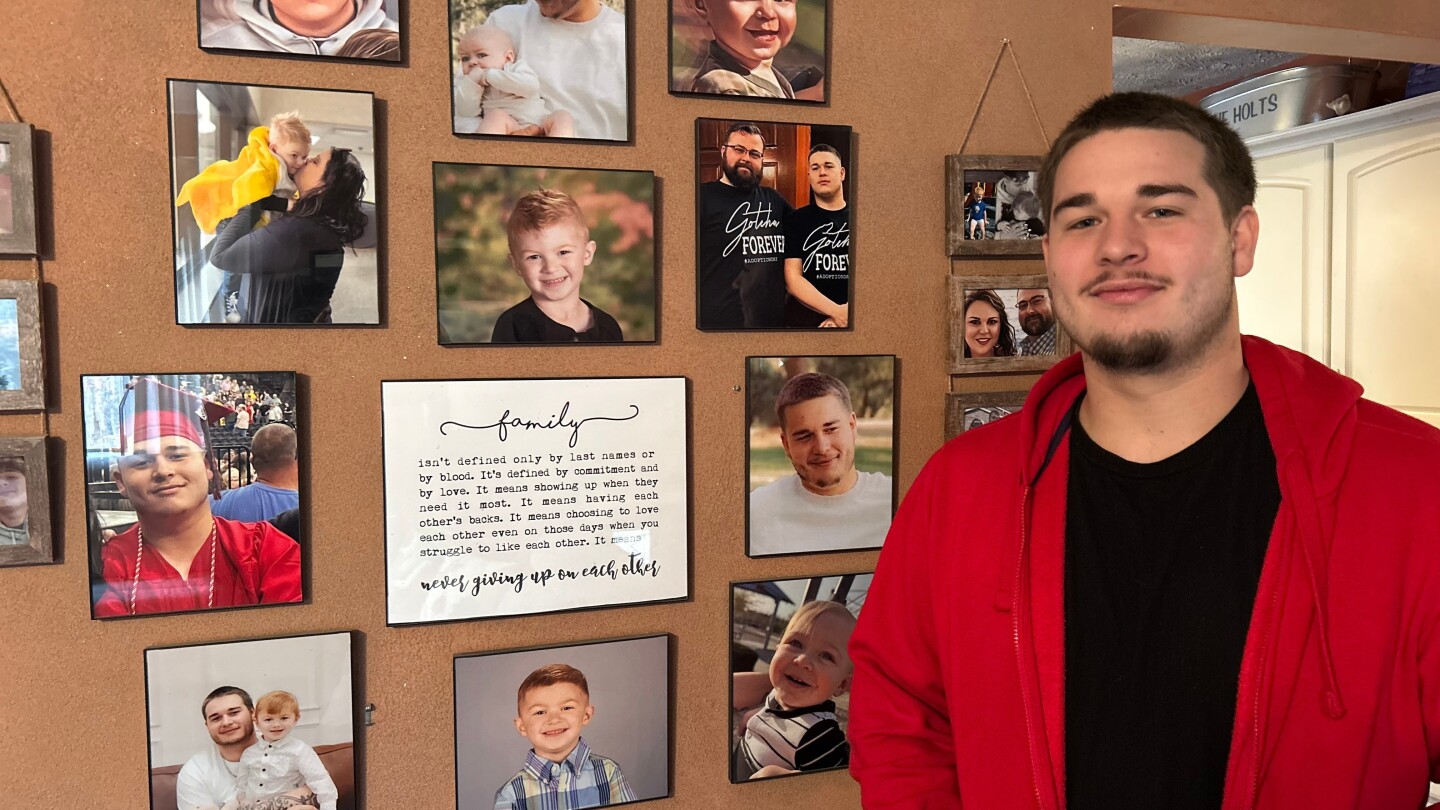
When Jaiden Holt was growing up, stability was a luxury he rarely experienced. Entering the child welfare system at a young age, he bounced between relatives’ homes before his mother regained custody and took him to Florida. For the next seven years, they lived in tents, U-Haul trailers, and abandoned buildings, with Jaiden rarely attending school.
“It wasn’t fun, but you just kind of learn to adapt to it,” he says.
Amid this turmoil, Jaiden recalls one bright moment: his first real barbershop haircut, styled after Justin Bieber’s famous swoosh. Despite everything else in his life, that haircut made him feel untouchable.
Eventually returning to West Virginia as a teenager, Jaiden found himself back in the foster care system. After cycling through child shelters and group homes, he finally found a permanent family who adopted him shortly before his 18th birthday. Two years later, however, Jaiden finds himself stuck in limbo. He dreams of becoming a barber but can’t afford the training, and struggles to find even minimum-wage employment while supporting two young sons.
“Honestly, I’ve never been the type to have hopes and dreams about stuff,” he says. “Because, even growing up, I never saw a future. I didn’t expect to make it past 16, if I’m being honest.”
What Jaiden didn’t know is that he could have attended barber school at any time. The federal government provides West Virginia with funds specifically designed to help former foster youth like him pursue higher education, vocational training, secure housing, and develop life skills. But a Mountain State Spotlight investigation reveals that state officials have routinely failed to connect eligible youth with these critical resources.
Since 2010, West Virginia has returned nearly $7 million in federal aid aimed at supporting former foster youth – more than a fifth of the total funding it received between 2010 and 2023. This pattern of returning unused funds has persisted across three gubernatorial administrations, both Democratic and Republican.
Department of Human Services spokesperson Angel Hightower acknowledged the past failures but insisted that under Governor Patrick Morrisey’s administration, which took office in 2025, the state is working to ensure funds are fully utilized. However, for thousands of former foster youth like Jaiden, these assurances come too late.
“It’s ridiculous,” says attorney Cathy Wallace, who frequently represents foster children. “It’s one of the most embarrassing things West Virginia can say that they do.”
The John H. Chafee Foster Care Independence Program, named after the late U.S. senator who championed it, provides states with federal funding to help prepare youth for adult life after foster care. The program covers 80% of costs, with states contributing the remaining 20%. Yet West Virginia failed to spend its full allocation more than half the time between 2010 and 2023.
This problem extends beyond West Virginia. A 2023 Government Accountability Office report found that 29 states returned extra pandemic funds for independent living programs, and 25 returned at least part of their education and training grants. Nevertheless, the situation is particularly acute in West Virginia, which consistently leads the nation in the percentage of children in foster care.
For those who do access these services, the impact can be transformative. Maria Bass, who spent years in shelters and juvenile facilities, was able to extend her time in state custody at 18 after her caseworker explained the benefits. The program now covers her rent for a one-bedroom apartment overlooking the Kanawha River in Charleston and pays for her courses toward a medical assistant degree.
“My son is not going to have the experience I had as a kid,” says Maria, who is expecting a baby in February. “I’m going to do way better.”
However, data submitted to the federal government shows that between 2018 and 2023, only 13% of youth aging out of West Virginia’s foster care system received any federally-funded services – far below the national average of 81%. Those who did receive support typically accessed fewer individual services than the U.S. average.
State officials blame the low participation rates on a broader lack of social services in parts of West Virginia. But advocates point to systemic issues: overwhelming caseloads for social workers, poor communication about available benefits, and distrust of the system among foster youth themselves.
Until recently, CPS workers in West Virginia reported average caseloads in the 30s – some handling as many as 50 cases simultaneously. Though the state has made progress filling vacancies, reducing them from 27% in 2023 to 7.5% as of October, it would still need dozens more workers to reach the target caseload of 10 cases per worker.
These burdens mean critical tasks like transition planning for teens approaching adulthood often fall through the cracks. For many youth, their first act upon turning 18 is to escape a system they’ve grown to distrust – even when it means forgoing valuable benefits.
L. Scott Briscoe, who has represented thousands of foster children in Boone County over 28 years, said that despite his best efforts to explain the opportunities for education, housing and vocational training, only two of his clients have ever agreed to voluntarily extend their involvement with the system after turning 18.
“I have tried in so many ways to explain the opportunities,” Briscoe said. “But time after time after time, every single kid says to me, ‘I don’t want it. There are strings attached.'”
The consequences of this breakdown are visible across West Virginia. Traci Strickland, who runs the Kanawha Valley Collective helping people experiencing homelessness in Charleston, reports a troubling trend: “Within the past month, I’ve had three calls directly related to people who have just aged out of foster care.”
Other states have found more effective approaches. Illinois generally maintains custody until youth turn 21, while Washington State increased participation by removing requirements that youth must work or attend school to receive assistance – a requirement that still exists in West Virginia.
Meanwhile, nonprofits like Charleston’s FPC Hope Center have found success reaching former foster youth through voluntary services and mentorship programs. Director Kyla Nichols believes many youth prefer their approach: “They know they have a say, they can access as many or as little services as they choose.”
Back in St. Albans, Jaiden Holt has recently learned about the funding he’s entitled to for barber school. With help from his adoptive mother, he’s navigating the application process and allowing himself to dream about one day owning his own business.
“You gotta call it ‘Chop It Up,'” he jokes. “Get it? Cause, like in the back you’re chopping it up.”
He hopes it’s not too late.
Fact Checker
Verify the accuracy of this article using The Disinformation Commission analysis and real-time sources.

10 Comments
This is a concerning trend – states turning down critical federal funding that could make a real impact on disadvantaged youth. Foster care alumni often face steep challenges like homelessness, unemployment, and lack of family support. Leveraging this aid effectively is crucial.
Agreed. Proper oversight and accountability are needed to ensure these funds reach the intended recipients and are used efficiently. Wasting this opportunity is a real disservice to vulnerable youth who need every chance to build a stable future.
It’s disheartening to see West Virginia returning millions in federal aid intended to support foster youth. These vulnerable young people face immense challenges and need all the resources and assistance available to help them succeed. I hope the state can find ways to better leverage this funding to make a real difference.
Wasting federal resources meant to uplift vulnerable foster kids is deeply disappointing. These young people deserve every opportunity to build stable, productive lives after difficult childhoods. West Virginia should be finding ways to maximize the impact of this funding, not sending it back. There’s clearly room for improvement in supporting this population.
It’s troubling that West Virginia is unable to fully utilize federal resources meant to support foster kids transitioning to adulthood. With the right programs and support, these young people can overcome tough circumstances and go on to lead productive lives. I hope the state can find a way to address this gap.
Absolutely. Giving foster youth the tools they need to become self-sufficient is an investment that pays dividends for the whole community. West Virginia should re-evaluate how it’s managing this funding to ensure it reaches the kids who need it most.
Returning federal funding intended to support foster youth is a concerning decision. These young people have already faced immense adversity, and need all the help they can get to overcome the challenges of transitioning to adulthood. I hope West Virginia can re-evaluate how to best utilize this aid to make a real difference.
This is a disappointing development. Foster kids often face huge obstacles, and federal aid programs are crucial to helping them build stable, productive lives. West Virginia should be finding ways to maximize this funding and deliver tangible benefits to these young people, not sending it back. There’s clearly more work to be done.
Sad to hear that West Virginia is returning federal aid meant to support foster kids. These vulnerable youth need every resource available to help them succeed after difficult childhoods. I hope the state can find ways to better utilize this funding to make a real difference in their lives.
You’re right, it’s disheartening when government programs fail the very people they’re meant to serve. These foster kids deserve stability and support as they transition to adulthood.