


Listen to the article
Americans Report Growing Financial Strain as Incomes Lag Behind Rising Costs
For months, Americans have voiced frustration over the stubbornly high cost of living. Now economists are identifying a more troubling trend: consumers increasingly report that their incomes simply aren’t keeping pace with mounting financial pressures.
“Consumers have been expressing frustration from high prices consistently for the past several years; what makes this season different is that consumers are also increasingly mentioning weakening incomes as well,” explains Joanne Hsu, director and chief economist of the University of Michigan’s Surveys of Consumers.
Hsu notes that this dual pressure creates a particularly challenging economic environment. “This year, they are reporting pressures on their pocketbooks from multiple sources,” she told Fox News Digital.
This perception aligns with hard data. According to analysis from the Bank of America Institute, inflation has outpaced after-tax wage growth for middle- and lower-income households since January 2025. The consequences are increasingly visible in household finances nationwide.
Nearly one in four American households now reports living paycheck to paycheck, a proportion that has grown over the past year. This erosion of purchasing power is pushing more families to the financial edge, making it difficult to maintain current living standards, let alone build savings or get ahead.
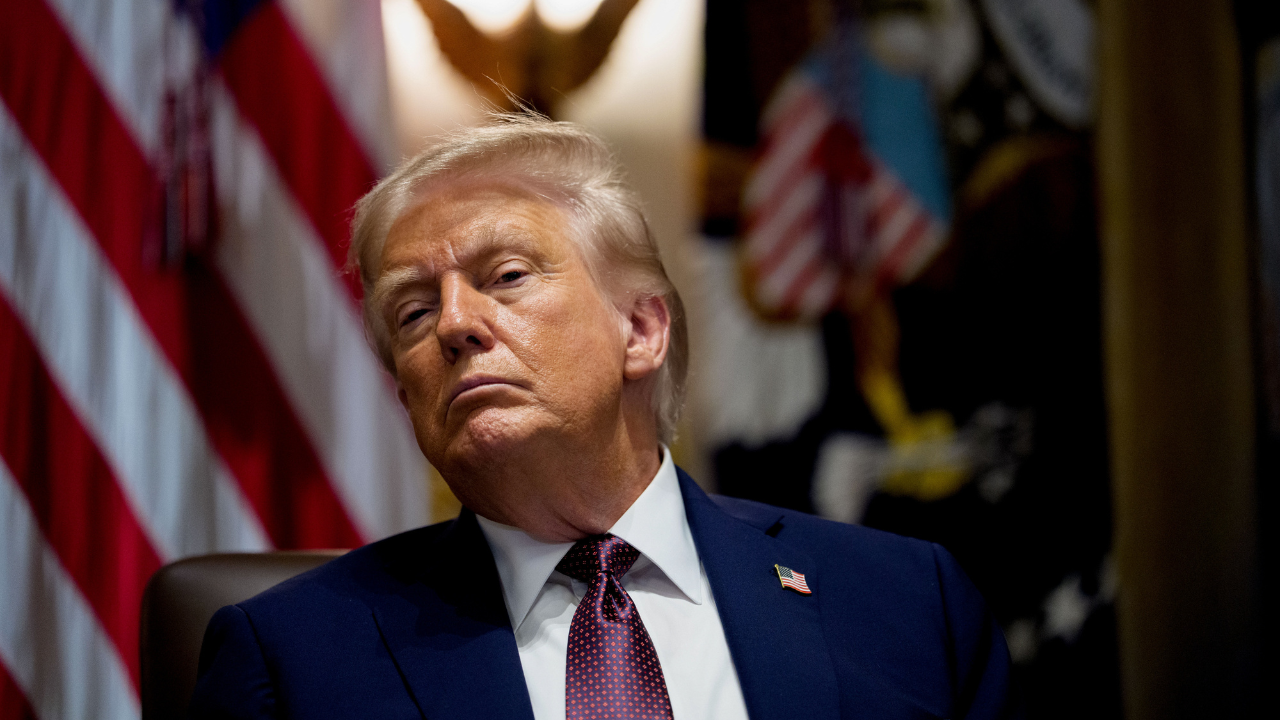
The situation has created a significant political challenge for President Donald Trump, who returned to the White House partly on promises to make life more affordable for average Americans. Early indicators suggest voters remain skeptical about his ability to deliver on these economic pledges.
A recent Fox News national survey reveals 76% of voters now rate the economy negatively, a sharp increase from 67% in July and 70% at the end of former President Joe Biden’s term. This deteriorating economic sentiment has begun to affect Trump’s approval ratings across the board, with his economic approval reaching new lows even among traditionally supportive voter blocs.
The current economic landscape differs from traditional recessions characterized by high unemployment. Today’s job market remains relatively strong, but the purchasing power of those paychecks continues to diminish relative to costs, creating what some economists describe as a “vibecession” — where economic statistics and lived experience tell different stories.
For many middle-class families, the math simply doesn’t add up. While headline inflation has moderated from its 2022 peaks, the cumulative effect of price increases over the past three years has fundamentally altered household budgets. Essentials like groceries, housing, and healthcare continue to consume a larger portion of monthly income than pre-pandemic.
Economic experts point to several factors driving this disconnect between income and expenses. While nominal wages have risen, they haven’t kept pace with inflation in many sectors. Additionally, pandemic-era government support programs have largely expired, removing financial cushions that helped many families navigate earlier price increases.
Small business owners also report feeling the squeeze from both ends — higher supplier costs and customers with less disposable income. This environment has made it difficult to raise prices without losing business, yet equally challenging to absorb rising expenses.
The timing presents particular challenges as the holiday season approaches, traditionally a critical period for retail spending and economic sentiment. Consumer confidence during November and December could significantly influence both short-term economic activity and longer-term political narratives.
For now, the daily reality for many Americans remains constant: prices feel too high, paychecks feel too thin, and confidence in future improvement remains fragile. How quickly these perceptions change, and whether voters ultimately credit Trump’s administration for any improvements, may determine both economic outcomes and political fortunes in the months ahead.
Fact Checker
Verify the accuracy of this article using The Disinformation Commission analysis and real-time sources.

10 Comments
This is a concerning trend that could have ripple effects across the economy. Policymakers will need to carefully balance measures to support household incomes with efforts to rein in inflation. It’s a delicate balance, but critical for economic wellbeing.
This is a challenging economic environment for many Americans, having to juggle rising costs with stagnant incomes. It’s a worrying trend that could have serious implications for household financial security and consumer spending. Hoping to see some targeted solutions soon.
It’s concerning to hear that incomes are not keeping up with the high costs of living. Households are really feeling the strain right now with inflation outpacing wage growth. Curious to see how policymakers will respond to help provide some relief.
The data on inflation outpacing wage growth is concerning. This is a complex issue with many factors at play. I’m curious to hear economists’ views on the best ways to address the strain on household budgets while maintaining economic stability.
High costs of living combined with weakening incomes is a real squeeze on household budgets. Curious to see what kinds of targeted interventions or broader economic policies could help provide some relief in this challenging environment.
Weakening incomes and high costs of living – that’s a tough combination for households to manage. Hoping to see some innovative solutions from both the public and private sectors to help ease the financial strain on American families.
This is a concerning development that highlights the complex economic issues facing many Americans. Balancing the need to control inflation with supporting household incomes will require deft policymaking. Hopeful that creative solutions can be found.
The dual pressure of rising costs and stagnant incomes is a real challenge. It will be interesting to see how consumer sentiment and behaviors evolve in response to these economic pressures. Curious to hear more analysis on the potential impacts.
The dual pressures of high inflation and weakening incomes must be creating a lot of financial anxiety for households. It’s a difficult situation without easy answers. Hopefully we’ll see measures to boost real wages and provide more support for struggling families.
The data on inflation outpacing wage growth is worrying. Households are really feeling the strain, which could have broader economic implications. Interested to see how policymakers and economists propose to address this complex issue.