


Listen to the article
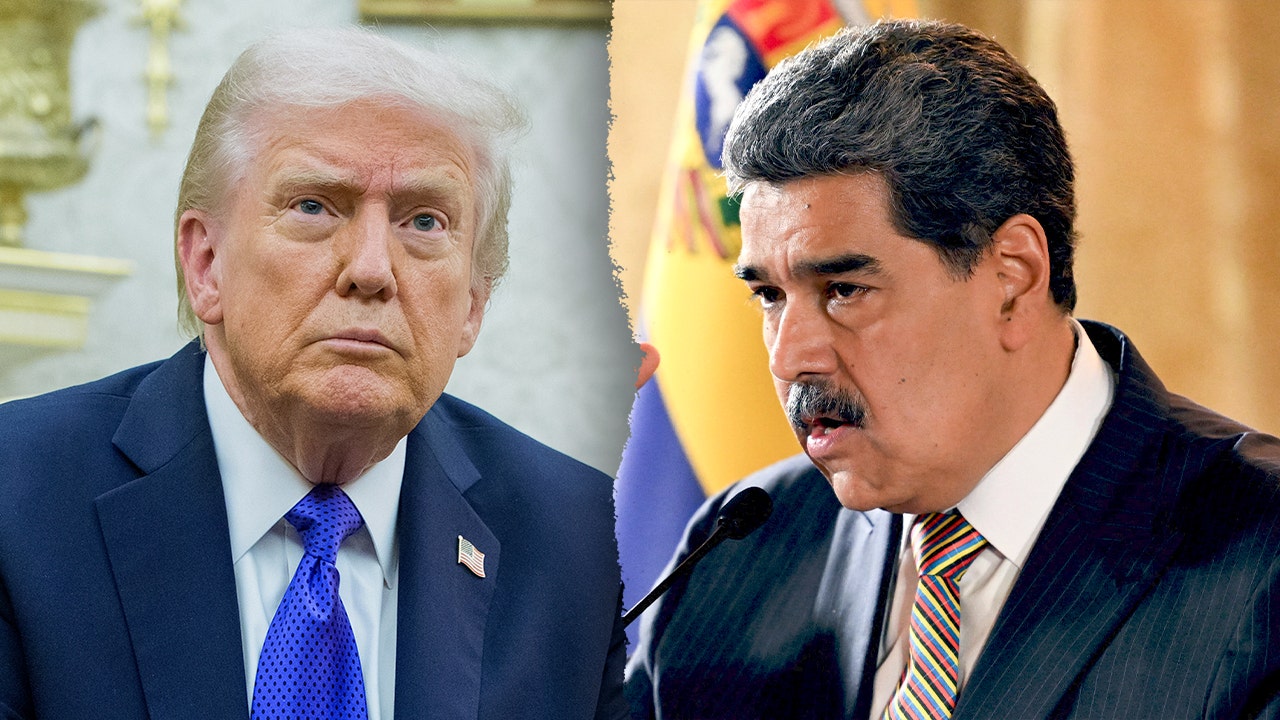
Venezuela has resumed accepting deportation flights from the United States following a brief suspension, according to an announcement made by Venezuelan President Nicolas Maduro on Tuesday. The decision comes after President Donald Trump had threatened to declare Venezuelan airspace “closed in its entirety,” which prompted Venezuela to temporarily halt the twice-weekly migrant flights on Saturday.
The deportation flights, which arrive regularly at the airport outside Caracas, have returned over 13,000 immigrants to Venezuela so far this year. These flights are operated either by a U.S. government contractor or Venezuela’s state-owned airline, with the most recent flight arriving last Friday.
This cooperation on immigration matters represents one of the few areas of collaboration between the two nations amid escalating tensions. Venezuela had historically refused to accept deportation flights from the United States until earlier this year, when Maduro’s government yielded to pressure from the Trump administration.
The resumption of flights occurs against a backdrop of increasing military pressure from the United States. American forces have conducted strikes targeting alleged drug traffickers operating in Caribbean waters near Venezuelan territory. The U.S. has deployed significant military assets to the region, including the USS Gerald R. Ford aircraft carrier and numerous bombers, signaling the possibility of further action.
During a recent Cabinet meeting at the White House, Trump indicated that operations could expand beyond maritime targets to include land-based strikes. “You know, the land is much easier, much easier. And we know the routes they take,” Trump told reporters. “We know everything about them. We know where they live. We know where the bad ones live. And we’re going to start that very soon too.”
The U.S. War Secretary Pete Hegseth announced two additional airstrikes against alleged drug smuggling vessels in international waters on Monday, further demonstrating the American military’s active operations in the region.
According to reports from the Miami Herald, Trump presented Maduro with an ultimatum during a recent phone call, demanding that he relinquish power or potentially face U.S. military action. During this conversation, Maduro reportedly sought global amnesty for himself, insisted on maintaining control over Venezuela’s military, and resisted calls for an immediate departure from power.
The military buildup has raised international concerns about the potential for broader conflict. Dozens of U.S. bombers have been deployed alongside the Ford carrier group, creating one of the most significant American military presences in the Caribbean in recent years. Many international observers are now watching closely to see whether Trump will authorize strikes against targets within Venezuelan territory.
This situation highlights the complex relationship between immigration policy and broader geopolitical tensions. While the deportation flights represent a rare point of cooperation, they exist within a context of heightened military tensions and U.S. pressure on the Maduro regime.
The Venezuelan government’s decision to continue accepting the flights suggests an attempt to reduce at least one point of friction with the United States, even as other aspects of the relationship remain highly contentious. For Venezuelan migrants being returned from the United States, these geopolitical tensions directly impact their lives as they are caught between the immigration policies of both nations.
As military assets continue to position themselves in the region, the international community remains watchful of how this standoff between the Trump administration and Maduro’s government will evolve in the coming weeks.
Fact Checker
Verify the accuracy of this article using The Disinformation Commission analysis and real-time sources.

10 Comments
The situation in Venezuela remains incredibly complex, with the US and Maduro’s government at odds on so many fronts. This deportation flight agreement is just a small piece of the puzzle.
It will be worth watching whether this cooperation can be expanded to other areas or if it remains a narrow, transactional arrangement.
Interesting development in the tense relationship between the US and Venezuela. Cooperation on deportation flights is one of the few areas where they’ve been able to work together lately.
I wonder if this signals a potential thaw in relations or if it’s just a temporary pragmatic arrangement.
Immigration and deportation are always sensitive political issues. I’m curious to see how this cooperation on flights plays out and what the broader implications might be.
While the deportation flights seem like a minor issue, the broader tensions between the US and Venezuela make even this kind of cooperation notable. I wonder what other areas they may be able to find common ground on.
The US and Venezuela have been at loggerheads for years, so any areas of collaboration, even on something like deportations, are noteworthy. It will be interesting to see if this leads to further engagement.
Both sides likely have their own motivations for continuing these flights, whether political, economic or otherwise.
The Trump administration has certainly applied a lot of pressure on Venezuela, both economically and militarily. It will be worth watching if this deportation flight agreement leads to any broader progress.
Maduro’s government has been quite defiant in the face of US pressure, so this could just be a tactical concession on their part.