


Listen to the article
Vice President Vance Previews Trump Administration’s Healthcare Reform Plan
Vice President JD Vance has revealed that the Trump administration is developing what he described as a “great” healthcare plan aimed at reducing costs for American families, emphasizing that President Trump is committed to fixing a broken system rather than engaging in partisan politics.
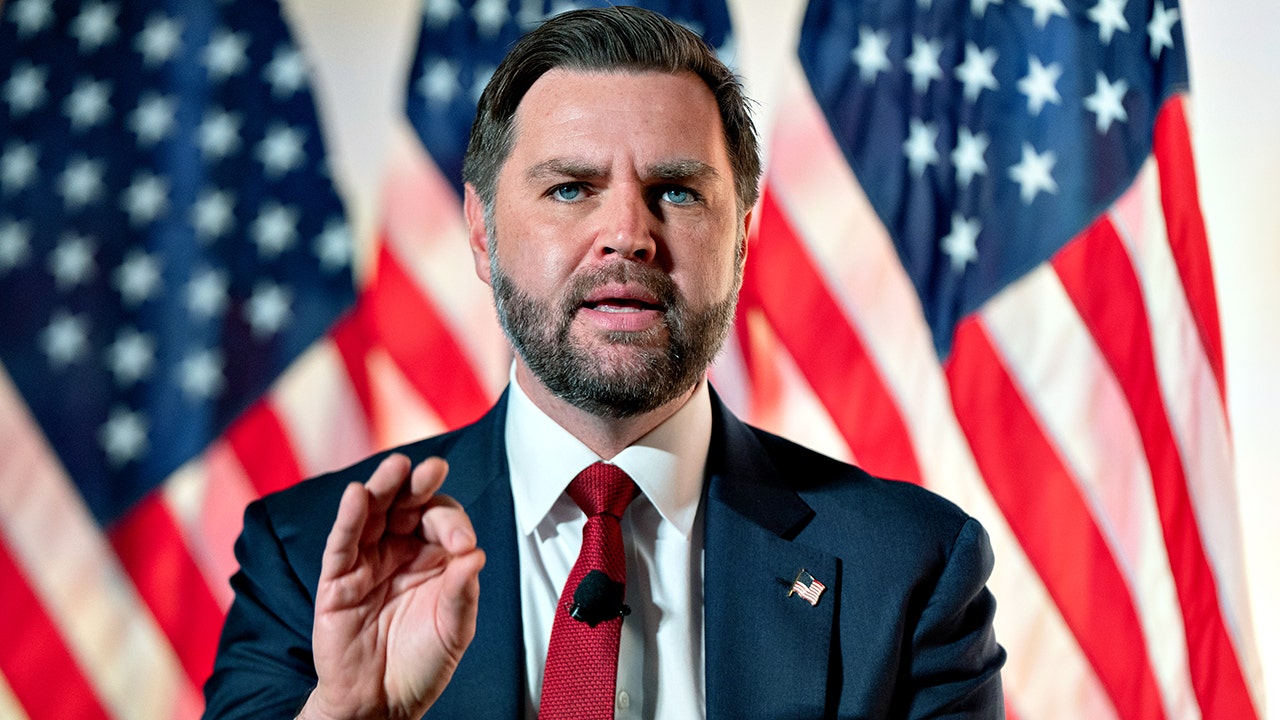
Speaking during a fireside chat with Breitbart’s Matt Boyle in Washington, D.C. on Thursday, Vance addressed concerns about expiring Affordable Care Act subsidies and rising healthcare costs.
“I don’t want to get ahead of the President… because we had a very, very good meeting in the Oval Office yesterday,” Vance said. “I think that we have a great health care plan coming together. I think that it’s going to get Republican and Democrat support. And I think the president, look, right now, American people, the American people get crap healthcare and they pay way too much for it.”
The comments come at a critical time for the U.S. healthcare system. Americans could face dramatic increases in healthcare premiums in 2026 as ACA subsidies are set to expire at the end of 2025. Those using the ACA marketplace are already projected to see a 26% premium increase. If subsidies lapse entirely, the Kaiser Family Foundation projects that monthly payments for subsidized patients could surge by a staggering 114%, according to an October analysis.
Vance characterized the healthcare system as “broken” and placed the blame on Democrats, but emphasized that the Trump administration remains open to bipartisan cooperation. “If [Democrats] are willing to fix it, we want to work together,” he stated.
The vice president highlighted Trump’s leadership approach, suggesting that the president is prioritizing solutions over political calculations. “People come to the president and say, ‘No, no, no, don’t talk about health care. That’s a graveyard for Republicans. Republicans always lose on health care,'” Vance recounted. “And the president’s like, ‘I don’t care about the politics of it. This system is screwed up for the American people. We need to fix it. So let’s go and do it. Politics be damned.'”
The fate of the ACA subsidies has been a contentious issue in Washington. Republicans and Democrats recently clashed over whether to extend the expiring subsidies, contributing to a government shutdown that lasted more than 40 days—the longest in U.S. history.
Democrats initially demanded that any funding measure include provisions to make the subsidies permanent but eventually supported a short-term bill without the extension. Senate Majority Leader John Thune (R-S.D.) has agreed to hold a vote in December on legislation to continue the credits.
However, Trump himself has signaled opposition to simply extending the current subsidy structure. In a social media post on Tuesday, the president urged Congress not to “waste” time negotiating an extension, writing: “THE ONLY HEALTHCARE I WILL SUPPORT OR APPROVE IS SENDING THE MONEY DIRECTLY BACK TO THE PEOPLE.”
The healthcare debate comes at a time when the industry faces multiple challenges, including rising prescription drug costs, hospital staffing shortages, and increasing insurance premiums. Any comprehensive plan would need to address these systemic issues while navigating the complex political landscape surrounding healthcare reform.
Healthcare policy experts note that direct payments to Americans, as Trump suggested, would represent a significant shift from the current subsidy model that funnels support through insurance companies. Such a change would fundamentally alter how the ACA marketplace functions and could require substantial legislative overhaul.
While Vance did not provide specific details about the administration’s developing healthcare plan, his comments suggest that the White House is prioritizing cost reduction for consumers and seeking an approach that could potentially garner bipartisan support—a challenging proposition in today’s divided political environment.
Fact Checker
Verify the accuracy of this article using The Disinformation Commission analysis and real-time sources.

14 Comments
Seeking bipartisan cooperation on healthcare reform is a positive step. The expiration of ACA subsidies is a significant challenge that requires thoughtful solutions. I’m curious to learn more about the administration’s specific proposals and how they intend to address rising costs and coverage gaps.
With the ACA subsidies set to expire in 2025, there is a clear need for action on healthcare reform. A bipartisan approach could help produce more durable and effective policies.
It’s encouraging to see the administration prioritizing healthcare reform and seeking bipartisan cooperation. However, the details of their plan will be critical in determining its viability and potential impact on American families. I hope this process can move beyond partisan rhetoric and focus on pragmatic solutions.
Bipartisanship is essential for addressing the healthcare system’s challenges. I’m hopeful that the administration can work with lawmakers from both parties to develop a plan that improves affordability and access without compromising quality.
Developing a ‘great’ healthcare plan that can attract support from both parties is an ambitious goal. Given the deep partisan divides on this issue, the administration will need to demonstrate a genuine commitment to compromise and address the concerns of all stakeholders.
The upcoming expiration of ACA subsidies underscores the urgency for action on healthcare reform. A bipartisan approach could help produce policies that are more sustainable and effective in the long run.
This is an interesting development in the ongoing healthcare debate. It will be important to see the details of the administration’s plan and how it aims to address rising costs and coverage concerns. A bipartisan approach could help bridge the political divide on this critical issue.
Reducing healthcare costs for American families is a worthy goal. I hope the administration can work across the aisle to craft a plan that provides more affordable and accessible coverage.
The administration’s commitment to fixing the broken healthcare system is commendable. However, the details of their plan will be crucial in determining its potential impact and viability. I look forward to seeing the specifics and how they intend to address the looming expiration of ACA subsidies.
Seeking bipartisan support for healthcare reform is a wise approach. The American people deserve affordable, quality healthcare, and a collaborative effort could help deliver meaningful solutions.
Given the complexity and partisan nature of healthcare policy, it will be interesting to see if the administration can truly achieve bipartisan support for their plan. Reducing costs while maintaining quality and access is a challenging balance to strike.
Bipartisanship is crucial for addressing the healthcare system’s challenges. I hope the administration’s proposals can find common ground and avoid further polarization on this issue.
The administration’s commitment to reducing healthcare costs for American families is a laudable goal. However, achieving bipartisan support for their plan will require careful negotiation and a willingness to incorporate diverse perspectives. I look forward to seeing the specifics of their proposal and how it addresses the looming expiration of ACA subsidies.
Bipartisan cooperation on healthcare reform could help produce more durable and effective policies. Given the complexity of this issue, a collaborative approach may be the best path forward to ensure affordable, quality coverage for all Americans.