


Listen to the article
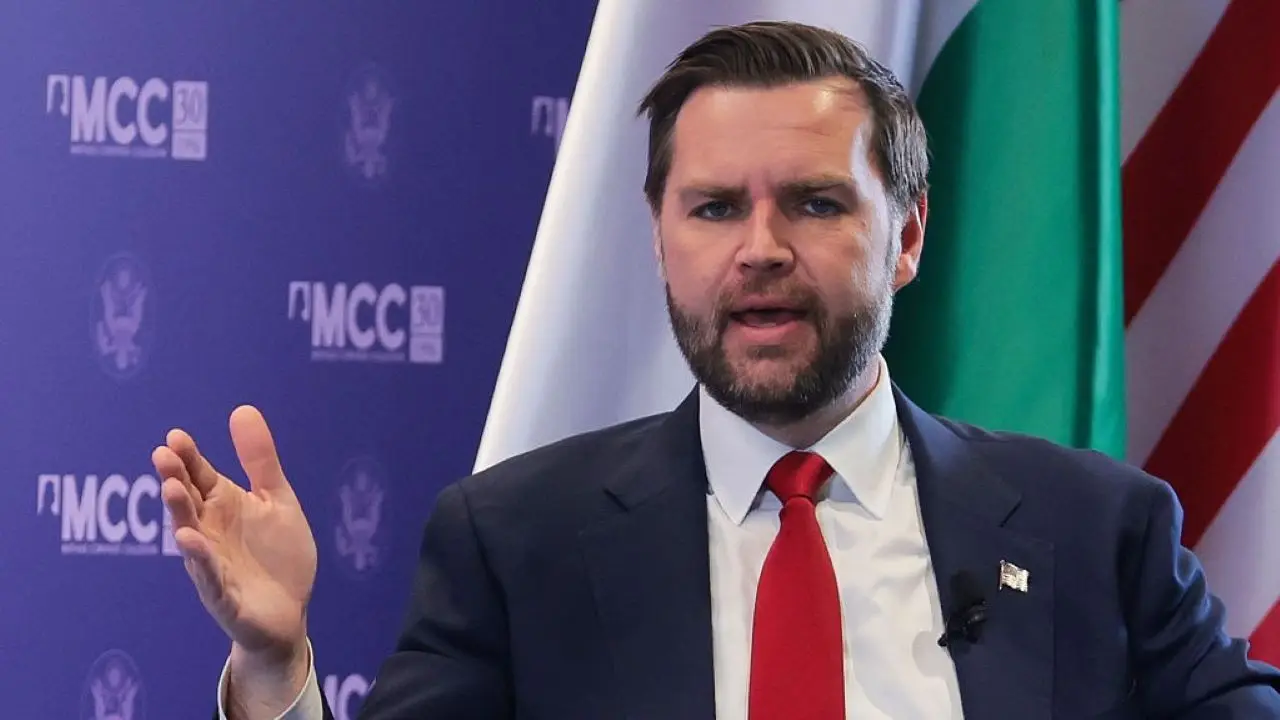
Vice President JD Vance has described the current ceasefire agreement with Iran as “fragile” but potentially sustainable if Tehran engages in good-faith negotiations, according to comments made during a conference in Hungary on Wednesday.
“This is why I say this is a fragile truce,” Vance stated. “You have people who clearly want to come to the negotiating table and work with us to find a good deal, and then you have people who are lying about even the fragile truce that we’ve already struck.”
The ceasefire agreement, announced Tuesday night just before President Donald Trump’s 8 p.m. ET deadline to begin targeting Iranian energy infrastructure, establishes a two-week pause in hostilities. The arrangement is contingent upon Iran reopening the strategically crucial Strait of Hormuz, a vital shipping channel through which approximately 20% of the world’s oil passes.
Vance emphasized that the Trump administration would not hesitate to use its substantial leverage if Iran fails to uphold its end of the agreement. “If the Iranians are willing in good faith to work with us, I think we can make an agreement,” he said. “If they’re going to lie, if they’re going to cheat, if they’re going to try to prevent even the fragile truce that we’ve set up from taking place, that they’re not going to be happy.”
The Vice President highlighted the multiple tools at the administration’s disposal, stating, “What the president has also shown is that we still have clear military, diplomatic and, maybe most importantly, we have extraordinary economic leverage.”
The diplomatic breakthrough came as the United States and Iran appeared to be on the brink of a wider conflict. President Trump had established a firm deadline with threats of significant military action against Iranian energy facilities. The eleventh-hour agreement represents a potential de-escalation in what has been a rapidly intensifying situation in the Middle East.
In addition to the ceasefire, the Trump administration received a 10-point proposal from Iran outlining parameters for a more comprehensive peace deal. Administration officials have indicated they believe this proposal provides “a workable basis on which to negotiate,” suggesting potential for a more lasting resolution.
Iran’s Supreme National Security Council released a statement acknowledging Pakistani mediators for their “tireless efforts” in facilitating negotiations. The statement confirmed that Iran would cease defensive operations provided attacks against the country are halted. Regarding the Strait of Hormuz, Iran stated that safe passage “will be possible via coordination with Iran’s Armed Forces” while noting certain “technical limitations” during the two-week period.
Pakistani Prime Minister Shehbaz Sharif, who played a crucial mediating role in the negotiations, confirmed in a statement that the ceasefire applies “everywhere,” including Lebanon, and took effect immediately. The Prime Minister invited delegations from both countries to Islamabad for further negotiations on Friday, April 10, 2026.
“Both parties have displayed remarkable wisdom and understanding and have remained constructively engaged in furthering the cause of peace and stability,” Sharif stated. “We earnestly hope, that the ‘Islamabad Talks’ succeed in achieving sustainable peace and wish to share more good news in coming days!”
The ceasefire represents a significant diplomatic development in a region that has seen escalating tensions in recent months. The Strait of Hormuz, located between Iran and Oman, is particularly significant as a chokepoint for global energy markets. Any disruption to shipping in this narrow waterway can have immediate impacts on global oil prices and energy security.
As both sides prepare for the upcoming talks in Islamabad, regional observers remain cautiously optimistic about the prospects for a more permanent resolution to the conflict. The success of these negotiations could have far-reaching implications for regional stability and international oil markets, which have been volatile amid fears of a wider conflict in the Middle East.
Fact Checker
Verify the accuracy of this article using The Disinformation Commission analysis and real-time sources.

8 Comments
The Trump administration’s tough stance towards Iran is understandable given the country’s history of sponsoring terrorism and hostility towards the US. However, a negotiated settlement is preferable to further military escalation.
This ceasefire agreement is a fragile truce, as Vance noted. It will require good-faith efforts from both the US and Iran to avoid a return to hostilities. Careful diplomacy is needed to find a durable solution.
Maintaining control over the Strait of Hormuz is a key strategic priority for Iran. If they fail to uphold their end of this ceasefire deal, it could prompt a strong response from the Trump administration.
Interesting update on the fragile ceasefire agreement with Iran. It’s crucial that both sides negotiate in good faith to find a sustainable solution that reduces tensions in the region.
Absolutely, the Trump administration will need to maintain strong leverage to ensure Iran upholds its end of the deal. Deescalating the situation is paramount.
The Strait of Hormuz is a strategically vital shipping channel, so reopening it is a key part of this ceasefire agreement. I’m curious to see if Iran will follow through and engage constructively.
Yes, Iran’s compliance will be closely watched. The Trump administration seems willing to use its leverage if the Iranians don’t negotiate in good faith.
Tensions between the US and Iran have been high for a long time. This ceasefire deal is a delicate step, but it’s important that both sides work towards a lasting diplomatic solution.