


Listen to the article
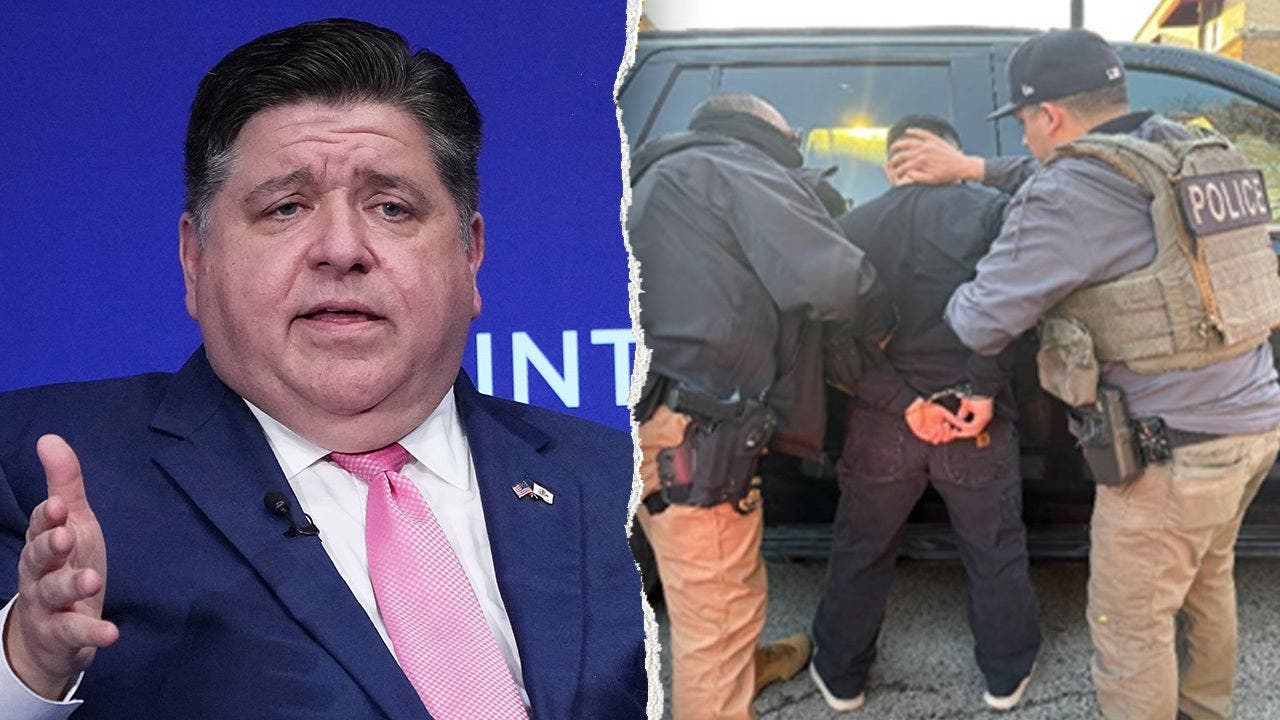
The Department of Homeland Security has publicly criticized Illinois Governor JB Pritzker over the state’s refusal to cooperate with Immigration and Customs Enforcement (ICE), following the release of a convicted child sex offender who had entered the country illegally.
Federal authorities revealed that Erik Giovanni-Quiroa, a Guatemalan national, was released from Illinois custody despite an ICE detainer request after his conviction for sexually abusing a five-year-old child. Giovanni-Quiroa, who also had a 2011 firearm-battery conviction, received a three-year sentence for the abuse but was released into the community rather than being transferred to federal immigration authorities.
“Governor Pritzker continues to refuse to do his job to protect his citizens from illegal alien crime and instead chooses to smear our law enforcement,” said DHS Assistant Secretary Lauren Bis in a statement. “Where is the investigation into his own policies that allowed this pedophile to be released from jail and be loose in Illinois communities?”
ICE officers were ultimately forced to locate and apprehend Giovanni-Quiroa themselves through a targeted vehicle stop in Chicago. According to federal officials, Giovanni-Quiroa briefly attempted to flee before being taken into custody.
The case highlights ongoing tensions between federal immigration authorities and so-called “sanctuary” jurisdictions that limit cooperation with ICE. Illinois operates under the TRUST Act, a 2017 law that prohibits state and local resources from being used for most civil immigration enforcement purposes.
The legislation was signed by former Republican Governor Bruce Rauner, who stated at the time that it would “help law enforcement focus on stopping violent crime” while “welcoming immigrants.” Critics, however, argue that such policies endanger public safety by releasing potentially dangerous individuals back into communities.
Both Governor Pritzker and Chicago Mayor Brandon Johnson have been vocal critics of federal immigration enforcement. Johnson has accused the Trump administration of “declaring war on Chicago” and using DHS as a “private, militarized, occupying force.” The mayor has pledged to oppose federal immigration efforts through various channels, including street protests, legislative action, and legal challenges.
This incident comes amid broader immigration enforcement operations in the Chicago area. Earlier this year, ICE Director Todd Lyons wrote to Illinois Attorney General Kwame Raoul noting that approximately 4,000 undocumented immigrants were in state custody and urging law enforcement to honor ICE detainers.
In response to increased immigration enforcement in the region, Raoul issued a memo to law enforcement agencies reiterating key provisions of the TRUST Act. The memo emphasized that while the law prevents using state resources for civil immigration enforcement, it “does not prevent law enforcement officers from taking action to maintain peace and ensure public safety.”
Immigration policy experts note the case represents a growing point of conflict between federal authorities and states with restrictive cooperation policies. The issue has become increasingly politicized, with Democratic leaders in Illinois positioning themselves against the federal administration’s immigration approach.
Giovanni-Quiroa reportedly entered the United States illegally during the George W. Bush administration and has effectively benefited from Illinois’ TRUST Act policies, according to DHS officials.
Bis called on Pritzker to “end this insanity and stop releasing pedophiles into our communities,” reflecting the intensifying rhetoric around immigration enforcement and public safety concerns.
Neither Governor Pritzker, Mayor Johnson, nor Attorney General Raoul had responded to requests for comment on the specific case at the time of reporting.
Fact Checker
Verify the accuracy of this article using The Disinformation Commission analysis and real-time sources.

9 Comments
I’m curious to learn more about the specific details and circumstances around this case. It’s important we understand the full context before rushing to judgment. Public safety is the key concern, but the rights of all individuals must also be respected.
Releasing a convicted child sex offender back into the community is very troubling, regardless of their immigration status. I hope this case leads to a thorough review of policies and procedures to ensure public safety is the top priority.
The tension between state and federal policies on immigration enforcement is concerning. Sanctuary policies can sometimes enable dangerous criminals to evade justice. A more balanced approach is needed to address this complex issue.
The release of this convicted child sex offender is deeply concerning. While immigration policies are complex, the safety of children should be the top priority. I hope this case leads to reforms to ensure dangerous criminals are not allowed to reenter communities.
This is a very troubling case that highlights the need for a more balanced approach to immigration enforcement and public safety. Protecting children should be the top priority, but it’s also important to respect the rights of all individuals. I hope this leads to constructive dialogue and policy changes.
This is a very troubling situation. While immigration is a contentious issue, letting a convicted child sex offender back onto the streets is unacceptable. I hope this leads to a thorough review of policies to ensure public safety is the top priority.
This is a very troubling case. Child sex offenders should not be released back into the community, regardless of their immigration status. Protecting public safety needs to be the top priority here.
This highlights the difficult balance between upholding the rule of law and protecting vulnerable members of society. While immigration enforcement is important, the wellbeing of children should be the paramount concern in cases like this.
It’s concerning to see a convicted child sex offender released back into the community, even with an active ICE detainer. This case seems to illustrate the challenges in coordinating immigration enforcement with public safety priorities.