


Listen to the article
In a bold bipartisan initiative, lawmakers are taking decisive steps to limit foreign influence in American higher education by targeting financial connections between U.S. universities and adversarial nations.
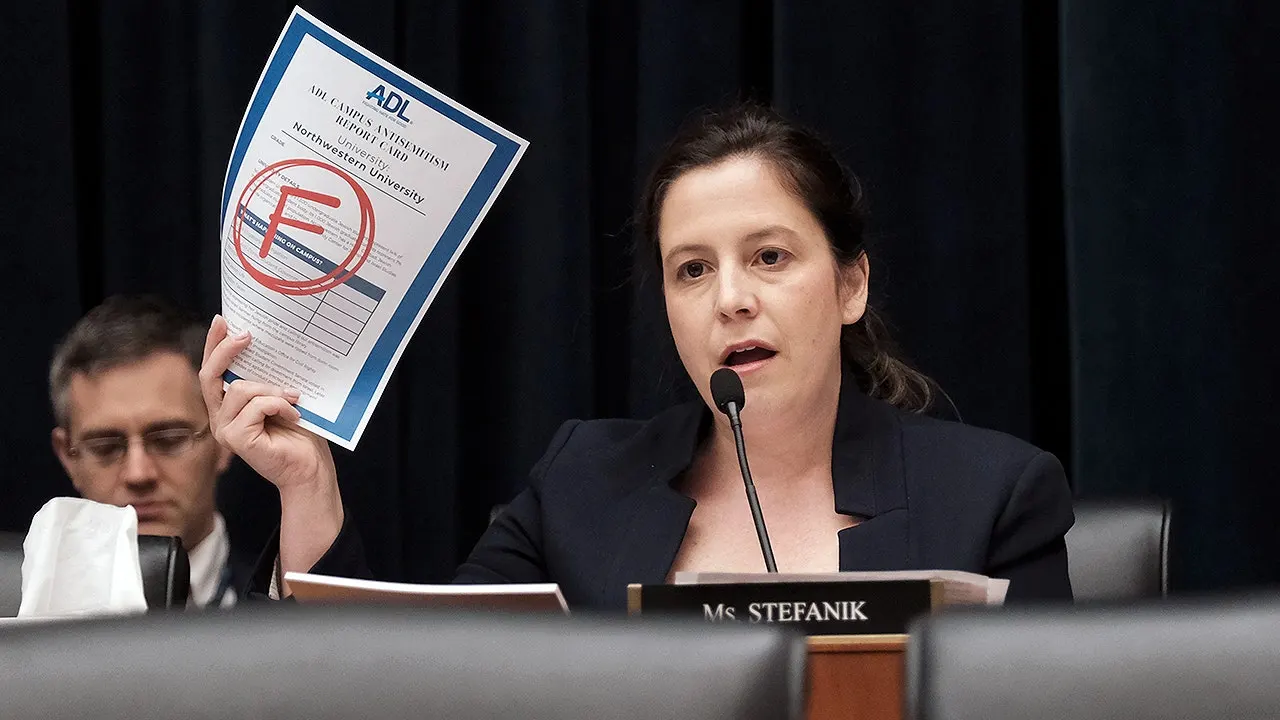
The legislative package, spearheaded by Rep. Elise Stefanik (R-N.Y.) and Sen. Rick Scott (R-Fla.), aims to ban federal funding for colleges that maintain branch campuses in hostile countries or accept research funding in sensitive fields like artificial intelligence, biotechnology, and quantum computing.
“I introduced the No Branch Campuses in Hostile Countries Act with Senator Rick Scott, and this is part of the broader higher education reform effort that I have been leading on in the Congress,” Stefanik said in an interview. The legislation represents a concerted effort to prevent adversarial nations from using American universities as platforms for espionage, research theft, and spreading anti-American messaging.
China has been a particularly significant source of foreign influence through its Confucius Classrooms, which several states, including Oklahoma, have already moved to restrict. Stefanik noted that institutions in her home state of New York, along with prominent universities in Chicago, Washington, and elsewhere, operate branch campuses in China.
The Defending American Research Act, the second component of this legislative effort, would prevent any higher education institution from receiving federal research funding for five years if it accepts funds from certain foreign countries including China, Qatar, Venezuela, Turkey, North Korea, Iran, and Russia.
Sen. Scott emphasized the national security implications of the legislation. “Countries like Communist China and terror-supporting Qatar should not be able to use America’s colleges and universities as outposts to spy on us, steal sensitive research, and spread anti-American propaganda, but we’ve been letting them do it for years,” he said. “This legislation is critical to America’s national security and the future of our higher education system — neither of which should be for sale.”
The inclusion of Qatar on the list of restricted countries has raised some eyebrows, given the Gulf nation’s cooperation with the United States on issues such as evacuations from Afghanistan and the ongoing Iran conflict. However, Stefanik defended Qatar’s inclusion, citing her research that uncovered “billions of dollars” from Doha apparently supporting antisemitic interests and “pro-terror professors” at some universities, including in New York.
Rep. Josh Gottheimer (D-N.J.) has joined the bipartisan effort, highlighting the cross-party concern about foreign influence in academic institutions.
This legislative push follows Stefanik’s previous high-profile involvement in education issues. She led a congressional hearing on campus antisemitism that resulted in the resignation of the University of Pennsylvania’s president and what Stefanik described as “seismic shifts in higher education.” That hearing, which Stefanik noted was “the most viewed hearing in the history of Congress,” brought increased scrutiny to university leadership and policies.
The lawmakers’ previous success in banning Confucius Institutes and classrooms through the national defense bill suggests they may find support for these new measures as well. Confucius Institutes, funded by the Chinese government, have long been criticized as vehicles for spreading Chinese Communist Party propaganda and influencing academic discourse.
The collective goal of these bills is to leverage universities’ financial interests to sever ties with adversarial governments. By threatening institutions’ access to federal funding, lawmakers hope to diminish foreign influence on American campuses and protect sensitive research from falling into the hands of potential adversaries.
As foreign funding of American universities has come under increased scrutiny in recent years, these legislative efforts represent one of the most comprehensive attempts to address concerns about academic independence, national security, and the integrity of U.S. research institutions.
Fact Checker
Verify the accuracy of this article using The Disinformation Commission analysis and real-time sources.

11 Comments
I’m glad to see bipartisan cooperation on this issue. Tackling foreign influence in academia is a complex challenge that requires thoughtful, nuanced policymaking. I hope the final legislation strikes the right balance.
This is an important issue that deserves serious consideration. Protecting academic freedom and integrity is crucial, but we must also be careful not to overstep and unfairly target legitimate research partnerships. A balanced approach is needed.
I agree, this is a complex topic with valid concerns on both sides. Careful evaluation of specific arrangements will be key to finding the right policy solutions.
I’m curious to learn more about the specific alleged threats and evidence of misuse. Have there been documented cases of adversarial nations exploiting academic ties for espionage or anti-American propaganda? The details will be important in crafting an effective response.
That’s a fair point. Transparency around the specific risks and abuses will be crucial to building public trust and support for any new policies in this area.
Restricting foreign funding and ties in sensitive research areas like AI, biotech, and quantum computing seems prudent. But the devil will be in the details – we’ll need to see the specific legislative proposals to assess their merits and potential unintended consequences.
Agreed, the scope and implementation details will be critical. Too broad a crackdown could hamper important international collaboration, while too narrow an approach may miss key vulnerabilities.
The Confucius Classroom program has raised valid concerns about China’s soft power influence in US universities. Restricting such arrangements seems justified, but we’ll need to ensure any new policies don’t unfairly target all international academic partnerships.
Well said. Distinguishing legitimate academic collaboration from malign influence will be crucial. Overzealous restrictions could unintentionally damage valuable international research ties.
This is a sensitive topic that deserves careful consideration. I’m glad to see lawmakers taking it seriously, but the solutions need to be evidence-based and carefully tailored to address specific threats without harming academia more broadly.
This is a delicate balance between protecting national security interests and preserving academic freedom. I hope lawmakers can find a measured approach that addresses legitimate concerns without resorting to heavy-handed tactics that could undermine the valuable role of universities.