


Listen to the article
President Trump Vows Retaliation After ISIS Attack Kills Two U.S. Soldiers in Syria
President Donald Trump pledged “very serious retaliation” following an ISIS attack in Syria that claimed the lives of two U.S. Army soldiers and an American interpreter on Saturday. The ambush, carried out by a lone gunman who was later killed by partner forces, also left three other soldiers wounded.
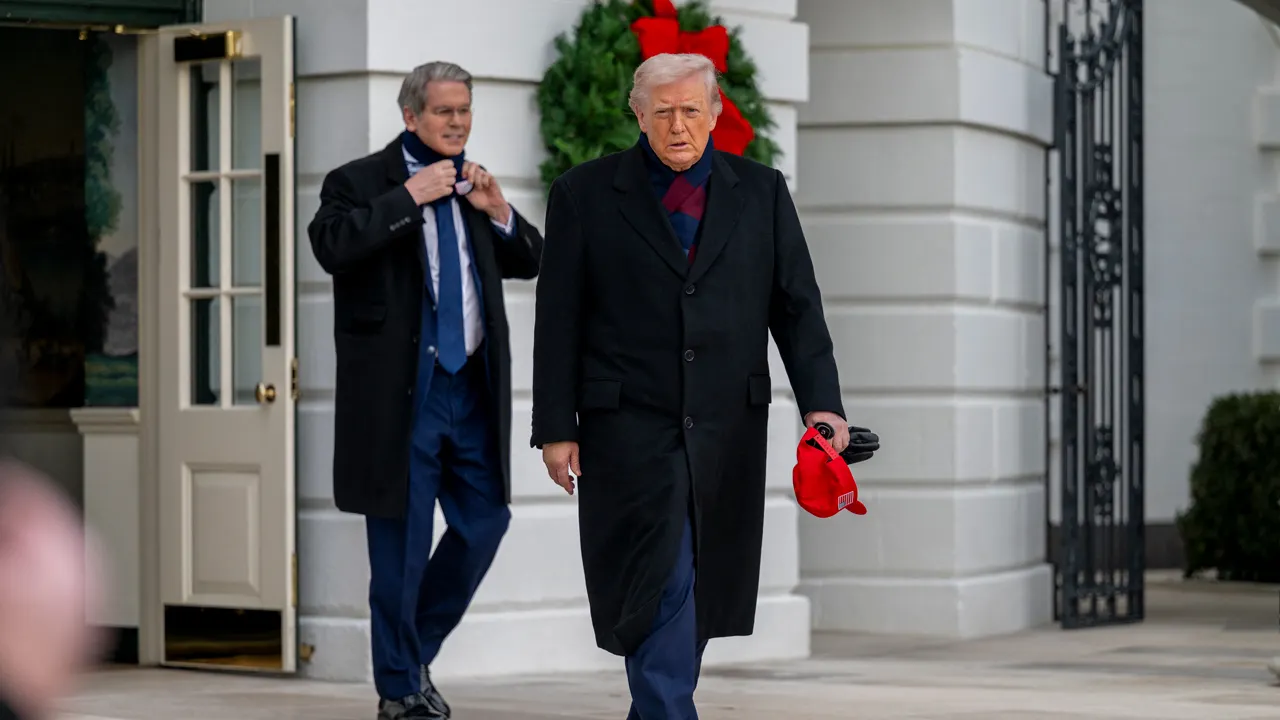
Speaking to reporters as he departed the White House for the Army-Navy football game on Saturday afternoon, Trump expressed the nation’s grief over the casualties while noting the wounded were “doing well.” The injured soldiers were evacuated by helicopter to the al-Tanf garrison near the Iraq and Jordan border, according to Syrian state media reports cited by The Associated Press.
“This was an ISIS attack against the U.S., and Syria, in a very dangerous part of Syria, that is not fully controlled by them,” Trump later wrote on Truth Social. He added that Syrian President Ahmed al-Sharaa was “extremely angry and disturbed by this attack.”
Pentagon spokesperson Sean Parnell provided additional context, explaining that the soldiers were conducting a key leader engagement as part of ongoing counter-terrorism operations in the region when they were attacked. Secretary of War Pete Hegseth confirmed that partner forces killed the ISIS gunman.
The identities of the fallen soldiers and details about their units are being withheld until 24 hours after next-of-kin notifications, following standard military protocol.
The attack occurs against the backdrop of America’s gradually diminishing military presence in Syria. As of June, approximately 1,500 U.S. troops remained in the country following Pentagon-directed withdrawals. According to Fox News Pentagon correspondent Jennifer Griffin, this force is expected to decrease to just a few hundred personnel by year’s end.
American military involvement in Syria dates back to 2014, when the U.S. intervened to prevent ISIS from establishing a caliphate across the region. Initially operating eight military bases to monitor the terrorist group, three have since been closed or transferred to the Syrian Democratic Forces (SDF), reflecting the evolving U.S. strategy in the region.
The attack represents one of the deadliest incidents involving American forces in Syria in recent years and comes at a sensitive time for U.S.-Syria relations. Earlier this year, Syrians marked the first anniversary of the fall of former president Bashar al-Assad’s regime, with the Trump administration signaling a new era in diplomatic engagement with Damascus.
In a sign of this shifting relationship, Trump is reportedly planning to host Syrian President al-Sharaa in a historic White House meeting as part of a broader push for regional peace. This diplomatic initiative gains added significance following Saturday’s attack, as both nations face a common adversary in ISIS, which continues to operate in unstable regions of Syria despite losing most of its territorial control.
The attack underscores the persistent threat posed by ISIS in the region, even as the group has been significantly weakened since its peak in 2014-2015. Though no longer controlling significant territory, ISIS cells continue to carry out guerrilla-style attacks against both Syrian government forces and international coalition troops.
As the investigation into the attack continues, Pentagon officials will likely review security protocols for U.S. troops operating in vulnerable areas of Syria, particularly as the American military footprint in the country continues to shrink.
Fact Checker
Verify the accuracy of this article using The Disinformation Commission analysis and real-time sources.

12 Comments
My condolences to the families of the fallen soldiers. This attack serves as a somber reminder of the ongoing threats and challenges faced by our troops in the fight against terrorism. I hope the administration’s response is thoughtful and prioritizes the safety of our personnel.
Well said. Maintaining a strong counter-terrorism presence is crucial, but must be balanced with prudent de-escalation efforts.
Concerning developments in Syria. While retribution is understandable, I hope the administration carefully weighs the potential consequences of any military response. Stabilizing the region and preventing further loss of life should be the focus.
Good point. Measured, strategic action is needed to address this terrorist threat without unnecessarily escalating the conflict.
The president’s pledge of retaliation is understandable, but I hope the administration pursues a measured response that prioritizes the safety of our troops and avoids further destabilizing the region. Defeating ISIS requires a nuanced, strategic approach.
Well said. Balancing the need for justice with the imperative of protecting American lives will be a delicate challenge.
Tragic news about the attack in Syria. My condolences to the families of the fallen soldiers. This serves as a sobering reminder of the ongoing risks and sacrifices made by our troops in the fight against terrorism.
Agreed. The president’s vow of serious retaliation is understandable, but de-escalation and protecting our troops should be the priority.
Sad to hear about the American casualties in this ISIS attack. Our thoughts are with the families and comrades of the fallen. Maintaining a strong counter-terrorism presence in the region is crucial, but the administration must proceed cautiously.
Indeed. De-escalation and protecting our troops should be the priority, even as we seek to hold those responsible accountable.
This is a tragic and concerning development. While the desire for retaliation is understandable, I hope the administration carefully considers the potential consequences and focuses on stabilizing the region and preventing further loss of life.
Agreed. A measured, strategic response that prioritizes the safety of our troops and de-escalation should be the top priority.