


Listen to the article
U.S. Military Kills Eight in Pacific Ocean Drug Boat Strikes as Congressional Scrutiny Intensifies
The U.S. military conducted a series of strikes against alleged drug-smuggling vessels in the eastern Pacific Ocean on Monday, resulting in eight fatalities across three separate boats. According to a military statement released on social media, the operation targeted “designated terrorist organizations,” with three people killed in the first vessel, two in the second, and three in the third.
The military provided minimal evidence to support claims of drug trafficking, only releasing video footage showing one boat moving through water before exploding. These latest strikes contribute to a growing death toll in what has become a controversial military campaign.
Since early September, at least 95 people have been killed in 25 documented boat strikes, according to official reports. The campaign has drawn particular criticism after a recent incident where a follow-up strike killed two survivors who were clinging to wreckage after an initial attack.
President Donald Trump has defended the operations as a necessary escalation to combat drug trafficking into the United States. His administration has framed the situation as an “armed conflict” with drug cartels, signaling a significant shift in how the U.S. approaches narcotics interdiction.
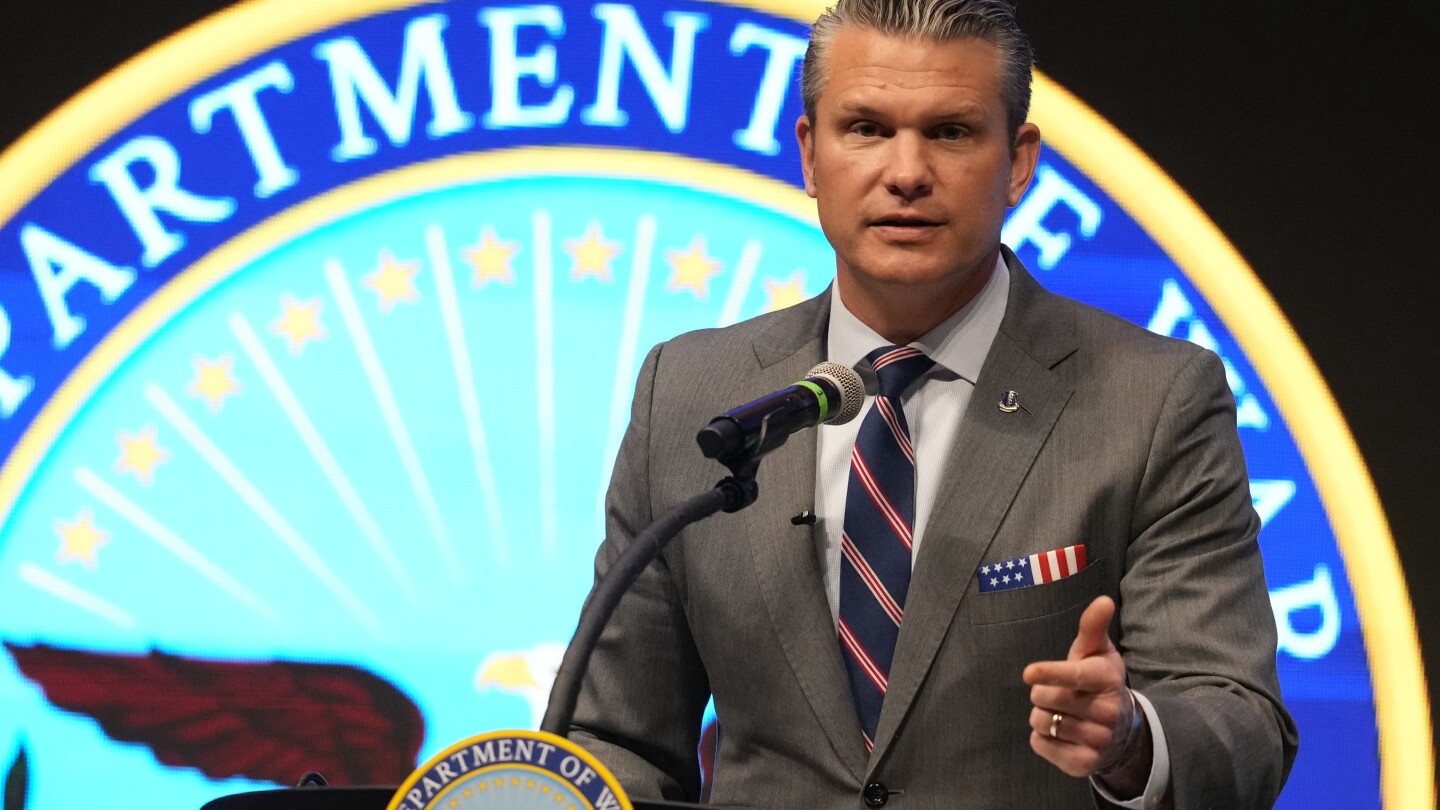
The timing of these latest strikes is notable, coming just before scheduled closed-door briefings for members of Congress. Defense Secretary Pete Hegseth and Secretary of State Marco Rubio, along with other senior national security officials, are set to address lawmakers in both the House and Senate as questions mount about the legality and strategic goals of the campaign.
The briefings come amid growing bipartisan concern in Congress about the scope, legal justification, and humanitarian implications of the operations. Several lawmakers have requested more transparency regarding the targeting process and legal framework supporting these military actions in what traditionally would be considered law enforcement domains.
The military campaign appears to be part of a broader strategy targeting Venezuelan President Nicolás Maduro’s government. Maduro has previously been charged with narcoterrorism by U.S. authorities, who claim his regime facilitates drug trafficking to fund its operations and maintain power.
In a significant escalation last week, U.S. forces seized a sanctioned oil tanker accused of smuggling illicit crude oil, further tightening pressure on Maduro’s government. The Venezuelan president has condemned the U.S. actions, insisting they are thinly veiled attempts to force regime change rather than legitimate counter-narcotics operations.
The current military buildup represents the largest U.S. presence in the region in decades, with operations spanning both the Caribbean Sea and eastern Pacific Ocean. President Trump has indicated that land-based operations may follow, though he has not provided specific details regarding potential targets or timelines.
This escalation comes amid changing dynamics in U.S. drug interdiction policy. Traditional maritime interdiction has typically involved Coast Guard operations with strict rules of engagement focused on arrests rather than lethal force. The shift toward military-led operations with higher casualty rates represents a significant policy change that has raised concerns among human rights organizations and legal experts.
Security analysts note that while drug trafficking remains a significant issue, the effectiveness of targeting boats rather than addressing demand or targeting financial networks is debated among counter-narcotics experts. Some question whether the high-profile military campaign will have lasting impacts on drug flows or simply redirect trafficking to alternative routes.
As congressional briefings approach, lawmakers from both parties are expected to press administration officials on the strategic objectives, legal authorities, and metrics for success in what has become one of the deadliest U.S. counter-narcotics campaigns in recent history.
Fact Checker
Verify the accuracy of this article using The Disinformation Commission analysis and real-time sources.

8 Comments
It’s critical that the US military’s actions in the Pacific adhere to international laws and norms around the use of force. Transparency and accountability will be key to ensuring these operations are conducted responsibly and with due regard for human life.
This seems like a concerning escalation of military action against suspected drug smugglers. I’m curious to learn more about the intelligence and decision-making behind these strikes, and whether they are an effective way to address the complex issue of drug trafficking.
The high death toll is troubling and raises questions about the proportionality and transparency of these operations. More oversight and accountability would be important to ensure they are conducted ethically and effectively.
While addressing drug trafficking is important, the military’s use of lethal force against suspected smugglers raises significant ethical and legal questions. I hope the US can provide more transparency around the intelligence, decision-making, and rules of engagement behind these operations.
While combating drug trafficking is an important goal, the use of lethal force against suspected smugglers at sea raises significant human rights concerns. I hope there are robust safeguards and rules of engagement in place to minimize civilian casualties.
The lack of clear evidence supporting the claims of drug trafficking is worrying. Thorough investigations and public reporting would help build confidence in the legitimacy of these military actions.
The escalating death toll from these boat strikes is deeply concerning. I hope the US government can provide more information to the public about the necessity, decision-making, and rules of engagement behind these military operations.
Increased congressional scrutiny is warranted to ensure these actions are lawful, proportionate, and respect the human rights of all involved. Robust oversight will be crucial going forward.