


Listen to the article
US Envoy Advised Kremlin Official on Ukraine Peace Deal Approach to Trump
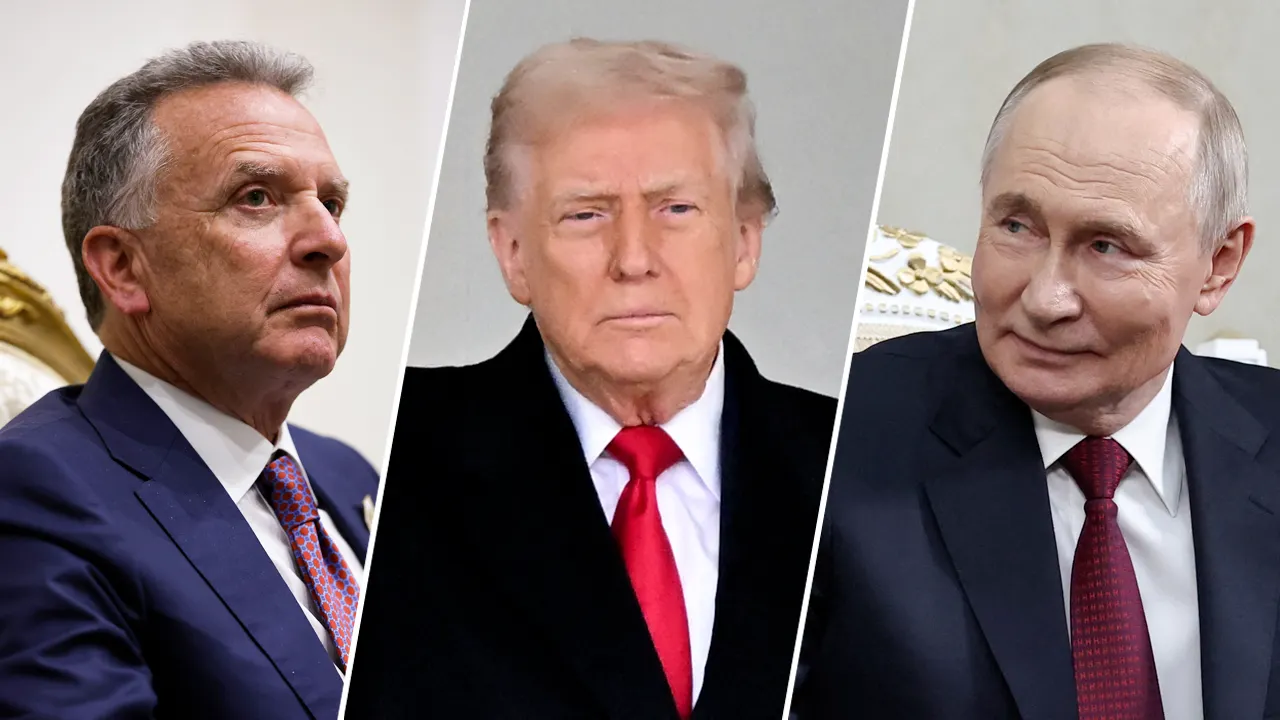
U.S. Special Envoy Steve Witkoff provided strategic advice to a senior Russian official on how to present a Ukraine peace proposal to President Donald Trump, according to a recent Bloomberg report. The conversation, which took place on October 14, involved Witkoff speaking with Russian President Vladimir Putin’s top foreign policy aide Yuri Ushakov.
During the call, Witkoff reportedly offered guidance on how Putin should approach the sensitive topic with Trump. “We put a 20-point Trump plan together that was 20 points for peace, and I’m thinking maybe we do the same thing with you,” Witkoff was quoted as saying, referencing the Trump administration’s Gaza peace deal framework as a potential model.
The revelation comes amid complex diplomatic maneuvering as the incoming Trump administration prepares to take a different approach to the Russia-Ukraine conflict than the Biden administration. The conversation suggests early back-channel communications are already underway between Trump’s team and the Kremlin ahead of the January presidential transition.
This diplomatic development occurs against a backdrop of other significant political events. In Georgia, a judge recently dismissed a 2020 election interference case against Trump, granting the state’s request to drop the charges. Meanwhile, an appeals court upheld a $1 million penalty against Trump over what it described as a “frivolous” lawsuit against Hillary Clinton and former FBI Director James Comey.
On the economic front, Treasury Secretary-designate Scott Bessent has completed interviews for the Federal Reserve chair position, with Trump expected to announce his decision before Christmas. The selection will have significant implications for U.S. monetary policy and financial markets as the administration prepares to implement its economic agenda.
The Supreme Court is also reviewing Trump’s tariff policies, potentially limiting his administration’s trade actions. The incoming administration is preparing for a ruling that could impact its planned trade strategy, particularly regarding China and other major trading partners.
In Texas, controversy has erupted over Governor Greg Abbott’s designation of the Council on American-Islamic Relations (CAIR) as a terrorist organization. Muslim groups and other leaders have demanded Abbott rescind the designation, calling it “defamatory” and “dangerous.”
On Capitol Hill, House Speaker Mike Johnson emphasized the importance of the U.S.-Israel alliance, stating that antisemitism “must be called out.” His comments reflect ongoing tensions over U.S. Middle East policy and domestic responses to rising antisemitism.
Department of Homeland Security officials have condemned a Virginia Beach principal accused of plotting to lure and ambush Immigration and Customs Enforcement (ICE) agents, calling the alleged plan “chilling.”
Economic concerns continue to affect American households, with weakening incomes adding new strain to families already struggling with elevated prices despite recent inflation moderation. This economic reality presents a challenge for the incoming administration, which has promised to focus on cost-of-living issues.
As the transition process accelerates, the diplomatic overture to Russia signals the Trump administration’s intent to take a different approach to international conflicts, potentially prioritizing deal-making over the confrontational stance that has characterized recent U.S.-Russia relations.
Fact Checker
Verify the accuracy of this article using The Disinformation Commission analysis and real-time sources.

10 Comments
It’s concerning that a Trump envoy was advising the Kremlin on how to present a Ukraine peace proposal to the president. This seems to undermine the current administration’s efforts and risks sending the wrong signal. I hope the transition team coordinates closely with the State Department.
Interesting that Trump’s team is already engaging with the Kremlin on Ukraine negotiations. This suggests they plan to take a different approach than the Biden administration. I’m curious to see what kind of peace deal they have in mind and how it will impact the ongoing conflict.
Backdoor diplomacy between the incoming administration and Russia bears close watching. Transparency and accountability will be key to ensuring any proposed deal is in the best interests of all parties.
The reported guidance from a Trump envoy to a senior Russian official on how to present a Ukraine peace proposal raises some red flags. Diplomacy is important, but it’s crucial that any deal respects Ukraine’s sovereignty and territorial integrity. Transparency will be key going forward.
Agreed. The incoming administration will need to tread carefully to avoid the appearance of cozying up to Russia at Ukraine’s expense. Coordinating closely with US allies and maintaining a strong, principled stance will be essential.
The revelation that a Trump envoy provided strategic advice to a senior Russian official raises some concerns. Diplomatic back-channels can be useful, but there are risks of undermining existing policy or giving the Kremlin undue influence. I hope this is handled carefully.
Agreed, the optics of this are tricky. The incoming administration will need to walk a fine line between exploring new approaches and avoiding the appearance of cozying up to Russia at the expense of Ukraine’s sovereignty.
This is a delicate diplomatic dance. I hope the incoming administration can find a constructive way to engage with Russia on Ukraine that doesn’t undermine existing efforts or give the Kremlin undue influence. Maintaining strong support for Ukraine’s independence should be the priority.
The reported back-channel communications between Trump’s team and Russia ahead of the transition are intriguing. While exploring new diplomatic options could be productive, it’s crucial that any Ukraine deal prioritizes Ukraine’s interests and territorial integrity. Transparency will be key.
Absolutely. Any changes to US policy on the Russia-Ukraine conflict must be carefully calibrated to uphold Ukraine’s sovereignty and the rules-based international order. Coordination with allies will be critical.