


Listen to the article
Minnesota’s Somali Community Faces New Scrutiny Amid Political Rhetoric
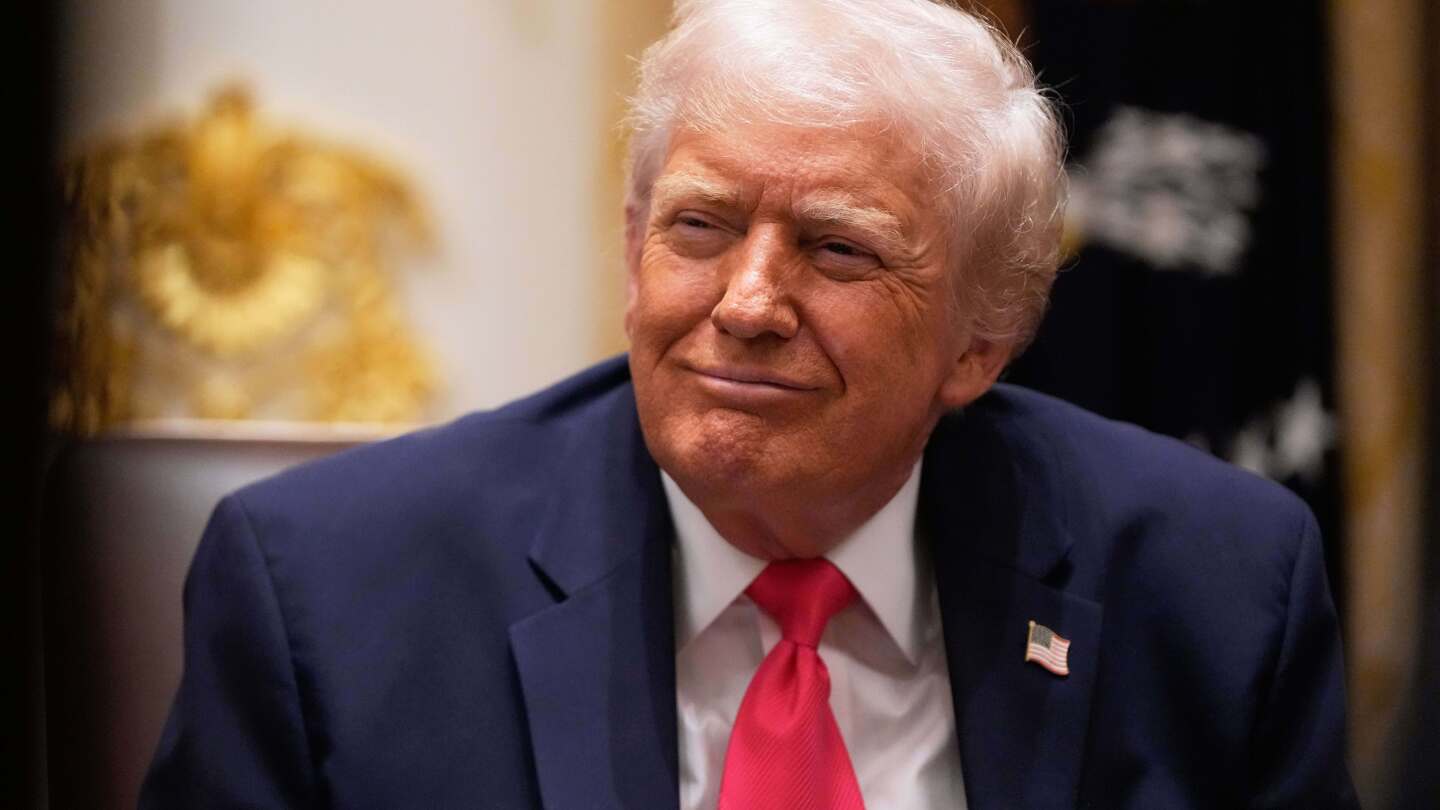
President Donald Trump’s recent remarks disparaging Minnesota’s Somali community have ignited fresh controversy and concern among the state’s immigrant population. During a campaign event Tuesday, Trump claimed Somalis “contribute nothing” to American society, a statement that came amid reports that federal authorities are preparing targeted immigration enforcement operations focused on Somali immigrants living unlawfully in the United States.
Minnesota is home to the largest Somali American population in the country, with approximately 84,000 residents of Somali descent living in the Minneapolis-St. Paul area. Census data indicates that nearly 58% of Minnesota’s Somali residents were born in the United States. Among those born abroad, an overwhelming 87% have become naturalized U.S. citizens.
The community began taking shape in the 1990s when many Somalis fled their homeland’s devastating civil war. Minnesota’s robust social services and welcoming reputation attracted many refugees seeking to rebuild their lives. Today, the state’s Somali population represents a significant demographic group that has established deep roots across multiple generations.
Trump’s recent focus on the Somali community follows allegations published by conservative outlet City Journal claiming that taxpayer dollars from fraudulent government programs have found their way to al-Shabab, an al-Qaida-affiliated militant group operating in Somalia. Treasury Secretary Scott Bessent announced an investigation into whether “hardworking Minnesotans’ tax dollars may have been diverted to the terrorist organization,” though federal prosecutors have yet to charge any defendants in recent Minnesota fraud cases with providing material support to terrorist organizations.
Last month, Trump declared he would terminate Temporary Protected Status for Somali migrants in Minnesota, despite congressional reports indicating only about 705 Somalis nationwide are covered by this program. Immigration experts and state leaders criticized the announcement as legally questionable and designed primarily to stoke fear.
The political rhetoric has intensified amid several high-profile fraud cases, most notably the “Feeding Our Future” scandal, described by prosecutors as the largest COVID-19-related fraud case in the country. Federal authorities have accused 78 defendants of stealing approximately $300 million from programs intended to feed children during the pandemic. While the alleged ringleader was white, many defendants were of Somali descent, leading some politicians to characterize the fraud as a community issue rather than the actions of individuals.
Minnesota Governor Tim Walz and Minneapolis Mayor Jacob Frey have pushed back against broad characterizations of the Somali community based on these cases. Meanwhile, Republican candidates for state offices are using the fraud scandal as a political weapon against Walz, blaming his administration for failing to prevent the theft of taxpayer money.
The community has also faced historical challenges related to terrorism recruitment. Between 2007 and the mid-2010s, authorities worked to counter the recruitment of young Somali men by both al-Shabab and the Islamic State group. Though most cases were resolved years ago, a 23-year-old defendant pleaded guilty just last month to attempting to provide material support to a designated foreign terrorist organization, demonstrating that concerns persist.
Despite these challenges, Minnesota’s Somali community has become increasingly influential in local and national politics. Democratic U.S. Representative Ilhan Omar, whose district includes Minneapolis, is perhaps the most prominent Somali American political figure and a frequent target of Trump’s criticism. Several other Somali Americans have served in the Minnesota Legislature and on city councils. Most recently, State Senator Omar Fateh, a democratic socialist, finished second in Minneapolis’s mayoral election in November.
The heightened attention on Minnesota’s Somali community illustrates the complex intersection of immigration policy, national security concerns, and political rhetoric in American discourse. As federal investigations continue and election campaigns intensify, Minnesota’s largest immigrant community finds itself at the center of a national debate about immigration, integration, and American identity.
Fact Checker
Verify the accuracy of this article using The Disinformation Commission analysis and real-time sources.

25 Comments
The cost guidance is better than expected. If they deliver, the stock could rerate.
Good point. Watching costs and grades closely.
The cost guidance is better than expected. If they deliver, the stock could rerate.
Good point. Watching costs and grades closely.
Uranium names keep pushing higher—supply still tight into 2026.
Good point. Watching costs and grades closely.
Good point. Watching costs and grades closely.
Interesting update on Trump targets Minnesota’s Somali community with harsh words and policies. Curious how the grades will trend next quarter.
Good point. Watching costs and grades closely.
Good point. Watching costs and grades closely.
Exploration results look promising, but permitting will be the key risk.
Good point. Watching costs and grades closely.
Nice to see insider buying—usually a good signal in this space.
Good point. Watching costs and grades closely.
Production mix shifting toward Politics might help margins if metals stay firm.
Exploration results look promising, but permitting will be the key risk.
Good point. Watching costs and grades closely.
Good point. Watching costs and grades closely.
Uranium names keep pushing higher—supply still tight into 2026.
Good point. Watching costs and grades closely.
I like the balance sheet here—less leverage than peers.
I like the balance sheet here—less leverage than peers.
Good point. Watching costs and grades closely.
Good point. Watching costs and grades closely.
Exploration results look promising, but permitting will be the key risk.