


Listen to the article
Former President Donald Trump has filed a $10 billion lawsuit against the BBC, accusing the British broadcaster of defamation and unfair trade practices related to its editing of his January 6, 2021 speech.
The 33-page lawsuit, filed Monday in Florida, claims the BBC broadcast a “false, defamatory, deceptive, disparaging, inflammatory, and malicious depiction of President Trump” that constituted “a brazen attempt to interfere in and influence” the 2024 U.S. presidential election.
At the core of Trump’s complaint is the allegation that the BBC “spliced together two entirely separate parts” of his speech on January 6, 2021, to “intentionally misrepresent the meaning of what President Trump said.”
The BBC has yet to respond to requests for comment on the lawsuit. However, the broadcaster had previously apologized to Trump last month for the editing error while rejecting claims that it had defamed him.
BBC chairman Samir Shah had described the editing as an “error of judgment,” which subsequently led to the resignations of the broadcaster’s top executive and head of news. Despite this acknowledgment, Trump proceeded with legal action after previously threatening to do so.
The documentary in question, titled “Trump: A Second Chance?”, aired days before the 2024 U.S. presidential election. It reportedly combined three quotes from two different sections of Trump’s January 6 speech, delivered almost an hour apart, into what appeared to be a single statement in which Trump urged supporters to march with him and “fight like hell.” Crucially, the edit omitted a section where Trump called for peaceful demonstration.
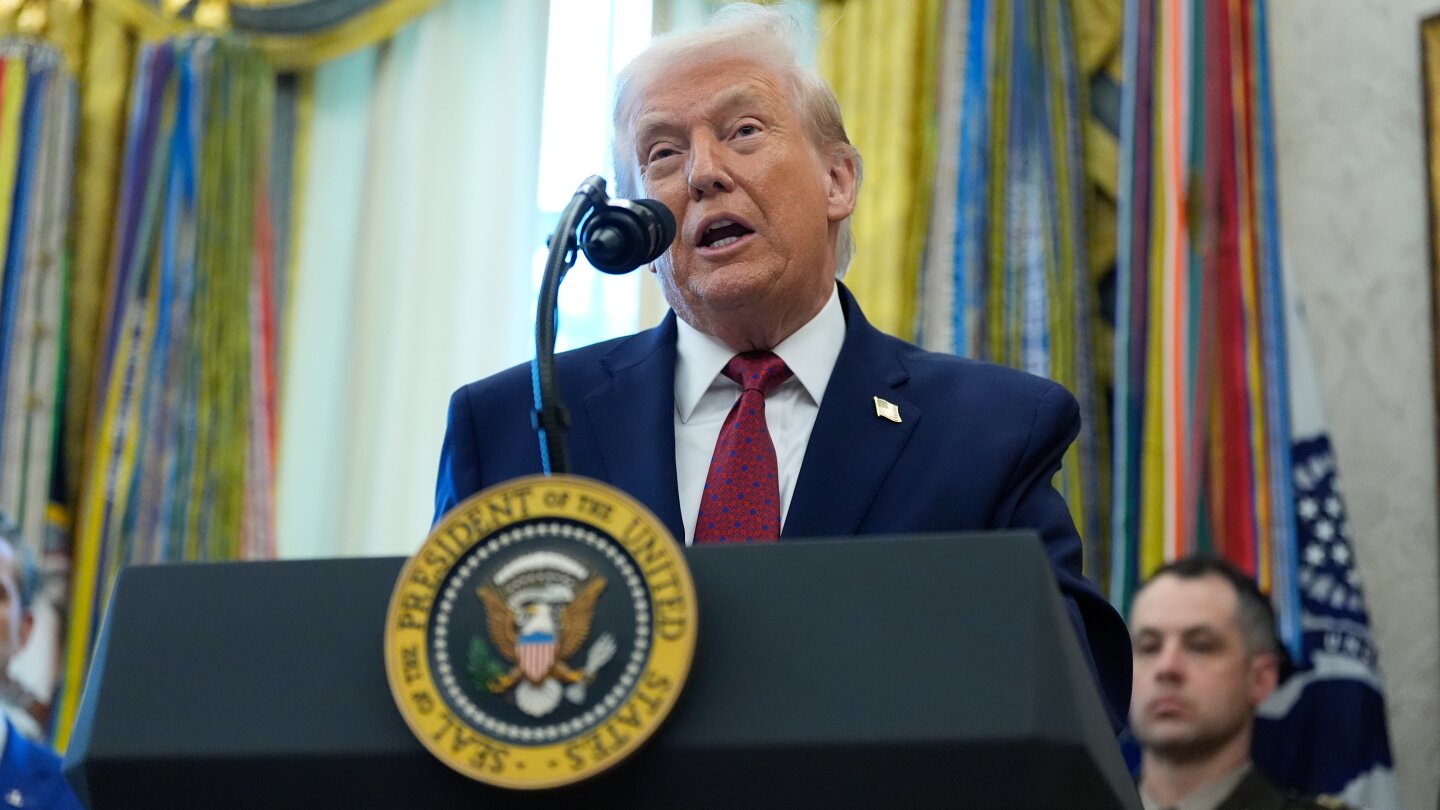
“They actually put terrible words in my mouth having to do with Jan. 6 that I didn’t say, and they’re beautiful words, that I said, right?” Trump remarked earlier Monday during an Oval Office appearance. “They’re beautiful words, talking about patriotism and all of the good things that I said. They didn’t say that, but they put terrible words.”
Legal experts have highlighted potential challenges to Trump’s case, particularly since the documentary was not broadcast in the United States. The lawsuit attempts to address this jurisdictional hurdle by noting that Americans can access BBC content, including the “Panorama” series that featured the documentary, through the subscription streaming platform BritBox.
The January 6, 2021 speech in question occurred before some of Trump’s supporters stormed the U.S. Capitol as Congress was preparing to certify Joe Biden’s victory in the 2020 election—a result Trump has consistently and falsely claimed was stolen from him.
This lawsuit represents another chapter in Trump’s contentious relationship with media organizations. Throughout his political career, he has frequently criticized news outlets for what he perceives as unfair coverage and has filed numerous lawsuits against media companies.
For the BBC, this legal challenge comes at a sensitive time. The 103-year-old public broadcaster, funded through an annual license fee of £174.50 ($230) paid by British households that watch live TV or BBC content, faces increasing scrutiny over its impartiality. As a national institution bound by its charter to maintain political neutrality, the BBC regularly faces criticism from across the political spectrum.
The timing of Trump’s lawsuit also coincides with broader international debates about media responsibility, editorial standards, and the impact of news coverage on democratic processes. The case could potentially influence discussions about cross-border media accountability and the legal ramifications of editorial decisions that affect political figures in other countries.
As the legal proceedings unfold, the case will likely raise significant questions about international jurisdiction, the boundaries of editorial discretion, and the standards for defamation when involving high-profile political figures.
Fact Checker
Verify the accuracy of this article using The Disinformation Commission analysis and real-time sources.

10 Comments
This lawsuit seems to be more political posturing than a genuine legal claim. The BBC acknowledged the editing error, and Trump’s case appears to be a stretch. I’m curious to see how this plays out, but I doubt he’ll prevail.
Agreed. The BBC has already taken responsibility, so it’s unclear what damages Trump could reasonably claim. This feels more like an attempt to rally his base than a serious legal challenge.
Interesting development, but I’m not surprised Trump is pursuing legal action. He’s always been very aggressive in going after media outlets he perceives as critical of him. Whether this particular claim has merit remains to be seen.
True. Trump has a long history of suing media companies, often without success. This latest lawsuit feels more like political theater than a serious legal strategy.
As a news consumer, I’m always wary of claims of media bias or manipulation. While the BBC’s editing may have been sloppy, I’m not sure that rises to the level of defamation, especially for a public figure like Trump. This feels more like an attempt to discredit the media than a serious legal case.
Absolutely. The media landscape is complex, and it’s important to critically evaluate claims of bias or unfair coverage. This lawsuit seems more about scoring political points than achieving meaningful legal recourse.
The $10 billion figure seems exorbitant, even for Trump. While the BBC’s editing may have been questionable, I’m not convinced he has a strong enough case to warrant such massive damages. This could be more about headlines than actual legal strategy.
Agreed. The astronomical damages claim makes this look more like a publicity stunt than a legitimate lawsuit. It will be interesting to see how the courts respond to such an inflated and seemingly frivolous demand.
Lawsuits over media coverage are always tricky and controversial. While the BBC’s editing may have been sloppy, I’m skeptical that Trump can prove defamation or damages to the tune of $10 billion. This seems like an uphill battle for him.
Exactly. The high bar for proving defamation, especially for public figures, makes me doubt this case will succeed. But it could still drag on and distract from more substantive issues.