


Listen to the article
Trump Signs Bill Ending Longest Government Shutdown in U.S. History
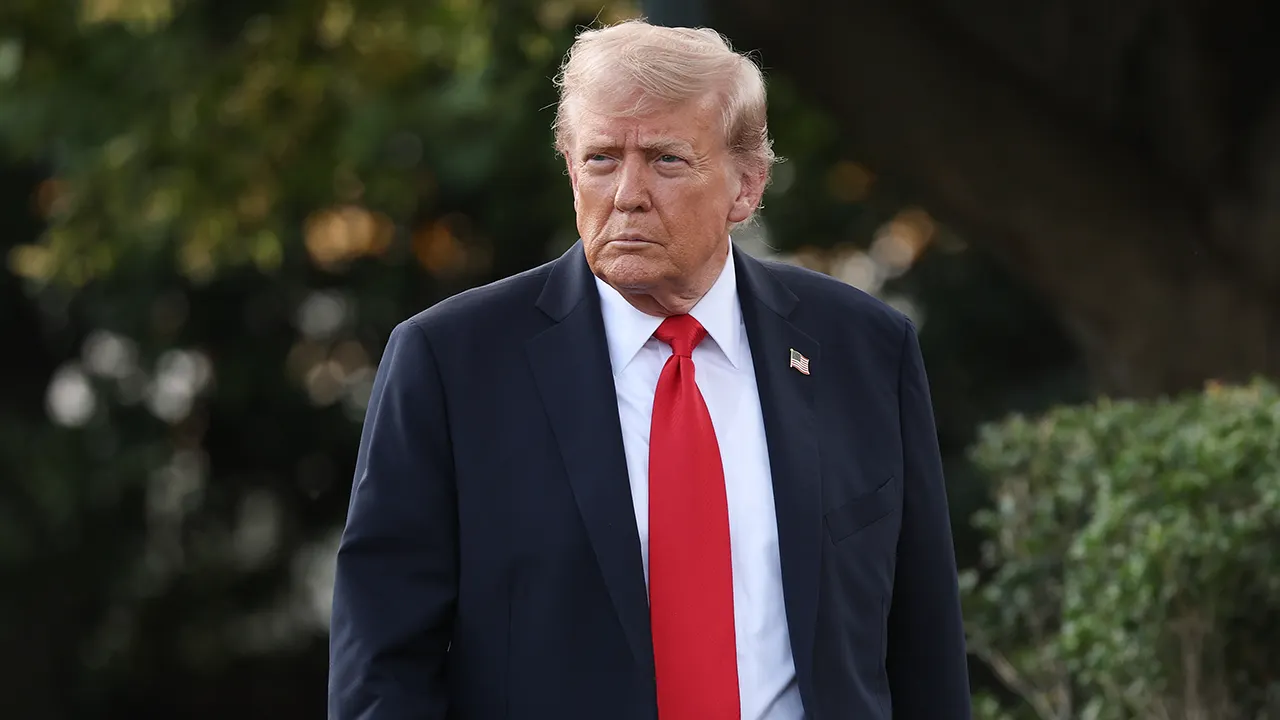
President Donald Trump has signed legislation to reopen the federal government, bringing an end to the longest government shutdown in U.S. history after 40 days of lapsed funding.
The bill, which keeps government operations funded at current levels through January 30, 2026, provides lawmakers additional time to negotiate a more comprehensive appropriations measure for the upcoming fiscal year. The legislation also extends funding for the Supplemental Nutrition Assistance Program (SNAP) through September, ensuring continued support for more than 42 million Americans who rely on the program to purchase groceries.
The shutdown, which began on October 1, created escalating disruptions across federal agencies before the breakthrough agreement was reached this week. The Senate passed the funding measure Monday night with a 60-40 vote, with eight Democrats joining Republicans to support the bill. The House subsequently approved its version on Wednesday, clearing the path for the president’s signature.
“We’re going to get the government open soon,” Trump had signaled earlier in the week, as consequences of the extended shutdown continued to mount nationwide.
Among the most visible impacts were travel disruptions at airports across the country. Air traffic controllers and Transportation Security Administration (TSA) officers, required to work without pay during the shutdown, faced missing a second consecutive paycheck. This led to increased sick calls and staffing shortages as essential personnel sought second jobs to make ends meet, resulting in flight delays that affected thousands of travelers.
The legislation also reverses layoffs initiated by the Trump administration in early October and ensures federal employees will receive back pay for the duration of their absence.
The political standoff that led to the shutdown centered primarily on healthcare provisions. Republicans, led by Trump, claimed Democrats were attempting to provide healthcare to undocumented immigrants by seeking to repeal portions of Trump’s domestic policy legislation that had reduced Medicaid eligibility for non-U.S. citizens.
Democrats countered this characterization, stating their primary goal was to permanently extend certain Affordable Care Act subsidies scheduled to expire at the end of 2025. While the stopgap spending bill does not extend these subsidies, Senate Majority Leader John Thune (R-S.D.) has committed to a December vote on legislation that would continue these healthcare credits.
However, Speaker of the House Mike Johnson (R-La.) has not yet indicated whether he would support such an arrangement in the House, potentially setting up another confrontation as the new January deadline approaches.
The agreement comes as welcome relief for federal workers and the broader economy, which had begun showing signs of strain from the extended shutdown. Government contractors, small businesses dependent on federal agencies, and communities with high concentrations of federal employees had reported significant financial impacts during the 40-day funding lapse.
Economic analysts estimate the shutdown cost the U.S. economy billions in lost productivity and reduced consumer spending. The Congressional Budget Office is expected to release a comprehensive assessment of the economic impact in the coming weeks.
As federal agencies return to normal operations, attention now turns to the challenging negotiations ahead for longer-term funding solutions, with both parties preparing for difficult discussions on government spending priorities and healthcare policy before the temporary funding expires in January.
Fact Checker
Verify the accuracy of this article using The Disinformation Commission analysis and real-time sources.

5 Comments
While the shutdown was regrettable, I appreciate that they were able to find a compromise to reopen the government and maintain SNAP funding. Hopefully this provides a foundation for more substantive negotiations on appropriations and avoiding such disruptions going forward.
The extended shutdown was clearly problematic, but it’s good they were able to reach a short-term deal. Keeping SNAP running is important for many Americans. I’m curious to see what the longer-term budget agreement will look like and how they can prevent such shutdowns in the future.
This was a concerning situation, but I’m glad they were able to pass a bill to get the government functioning again, even if temporarily. Extending SNAP is a sensible move to provide stability. Curious to see what the next steps will be to avoid similar shutdowns in the future.
Glad to see the government shutdown finally resolved. While the extended impasse was disruptive, it’s good they found a short-term solution to keep things running. Curious to see what longer-term compromises they can reach on appropriations.
The shutdown was certainly an unwelcome disruption, but it’s positive they were able to reach a deal to reopen the government. Funding SNAP is an important step to support vulnerable Americans during this period. Hope they can build on this to find more lasting solutions.