


Listen to the article
Trump Orders Review of Green Card Holders from “Countries of Concern” Following DC Shooting
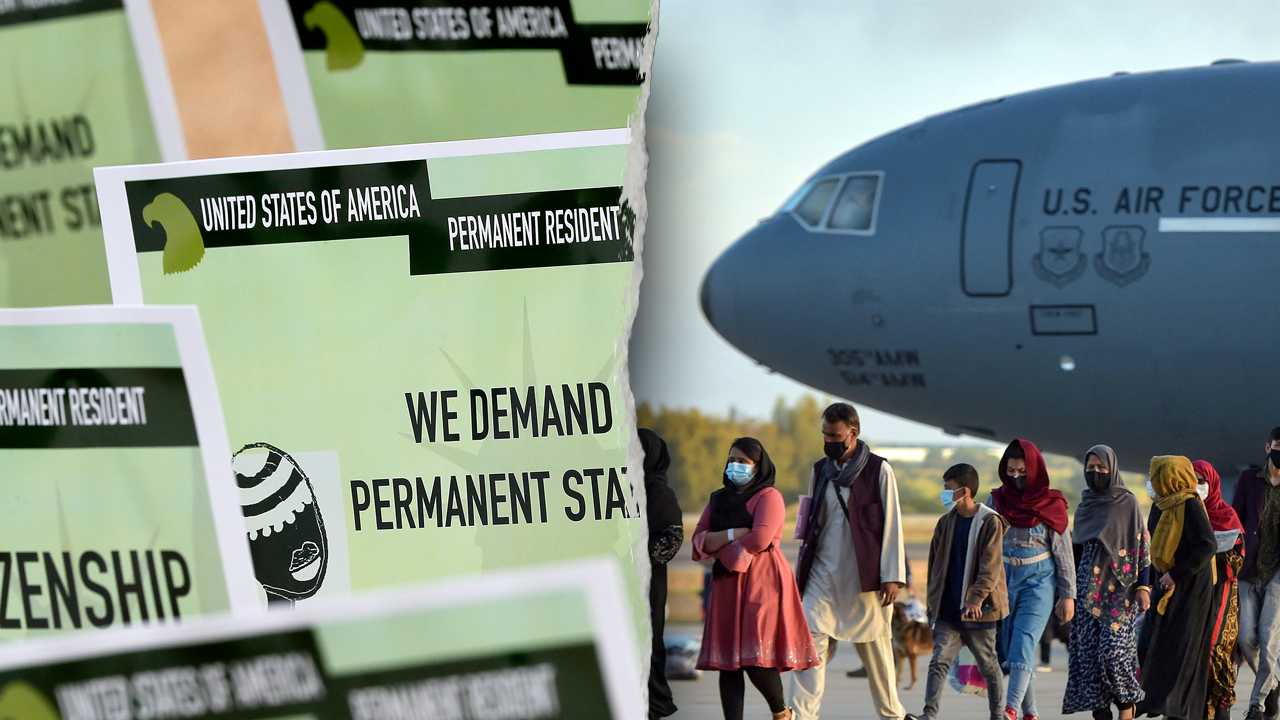
After an Afghan asylee allegedly shot two West Virginia National Guardsmen on Wednesday, President Donald Trump directed U.S. Citizenship and Immigration Services Director Joseph Edlow to begin a “full-scale, rigorous reexamination” of green card holders from “countries of concern.”
The directive comes as the administration takes a harder line on immigration policy, highlighting various legal avenues through which lawful permanent residency can be revoked.
Edlow confirmed to CBS News that his agency has “halted all asylum decisions until we can ensure that every alien is vetted and screened to the maximum degree possible. The safety of the American people always comes first.”
Immigration attorneys and legal experts point to several established grounds for green card revocation. Among the most common is conviction for certain crimes. These include “aggravated felonies” such as murder, serious sex and drug-trafficking offenses, as well as crimes involving moral turpitude like theft, fraud or violent offenses, depending on the sentence and timing.
Green card holders who engage in terrorism or espionage can also have their status revoked. Additionally, voting in federal elections—which is prohibited for non-citizens—can result in deportation proceedings.
Fraud or misrepresentation during the application process represents another significant basis for withdrawal. Examples include identity theft, lying on applications, or omitting parts of criminal history or prior contact with U.S. immigration authorities.
Marriage-based green cards face particular scrutiny, especially when a marriage to a U.S. citizen ends within two years of obtaining residency. USCIS can revoke a green card if it determines the marriage was entered solely for immigration benefits.
Residency requirements also play a crucial role in maintaining green card status. Lawful permanent residents must maintain their primary residence in the United States. Leaving the country for more than a year without obtaining a reentry permit can lead authorities to consider a green card abandoned. Even changes of address within the U.S. must be reported to USCIS.
Less commonly invoked is the “public charge” rule. While receiving public benefits alone does not make a non-citizen deportable, becoming dependent on government assistance within five years of admission “from causes not affirmatively shown to have arisen since entry” could potentially trigger removal proceedings.
The Immigration and Nationality Act (INA) contains other grounds for inadmissibility or deportation, including having communicable diseases of “public health significance,” mental disorders deemed threatening, drug addiction, and practicing polygamy.
The Trump administration’s directive specifically focuses on Afghan refugees, many of whom were evacuated during the chaotic 2021 withdrawal from Kabul. Critics at the time raised concerns about limited vetting procedures during the emergency evacuation. The administration may now investigate whether any of these individuals have disqualifying histories under various provisions of the INA.
In justifying the order, Trump cited a section of the INA stating that “Whenever the president finds that the entry of any aliens or of any class of aliens into the United States would be detrimental to the interests of the United States, he may, by proclamation, and for such period as he shall deem necessary, suspend the entry of all or any class of aliens as immigrants or nonimmigrants, or impose on the entry of aliens any restrictions he may deem to be appropriate.”
Federal law requires immigration officers to clearly state any negative determination to green card holders, specifically citing the provision under law that justifies disqualification or rescission of status.
The review comes as part of broader immigration policy changes under the Trump administration, which has also ordered the deportation of up to one million migrants who used the previous administration’s CBP One app, and banned travel to the U.S. from several countries identified as security concerns.
Fact Checker
Verify the accuracy of this article using The Disinformation Commission analysis and real-time sources.

9 Comments
What kind of ‘countries of concern’ are we talking about here? The criteria should be specific and fact-based, not based on stereotypes or prejudice. Curious to learn more details.
Agreed, the ‘countries of concern’ designation needs to be clearly defined and justified. Broad, vague categories are ripe for abuse and discrimination.
While enhanced screening is understandable, revoking green cards over minor crimes could be problematic and raise concerns about due process. Immigration is a complex issue with valid arguments on all sides.
That’s a fair point. The revocation criteria need to be clear and proportionate, not overly broad. Finding the right balance between security and civil liberties is always tricky.
Screening and security are important, but this seems heavy-handed. We should be very careful about stripping away legal residency rights, even for non-citizens. I worry this could erode trust in the system.
As an immigrant myself, I have mixed feelings. Security is important, but we must be careful not to unfairly target lawful residents. I’ll be following this issue closely to see how it develops.
Interesting development in immigration policy. Reviewing green card holders from ‘countries of concern’ seems like a prudent security measure, though the details and implementation will be crucial. I wonder if this will face legal challenges.
This raises some red flags for me. Revoking green cards over minor crimes or vague ‘security’ concerns sets a dangerous precedent. I hope the administration approaches this issue judiciously.
This move seems more politically motivated than rooted in data-driven policy. Tying it to a specific incident is concerning. I hope the review is conducted objectively and transparently.