


Listen to the article
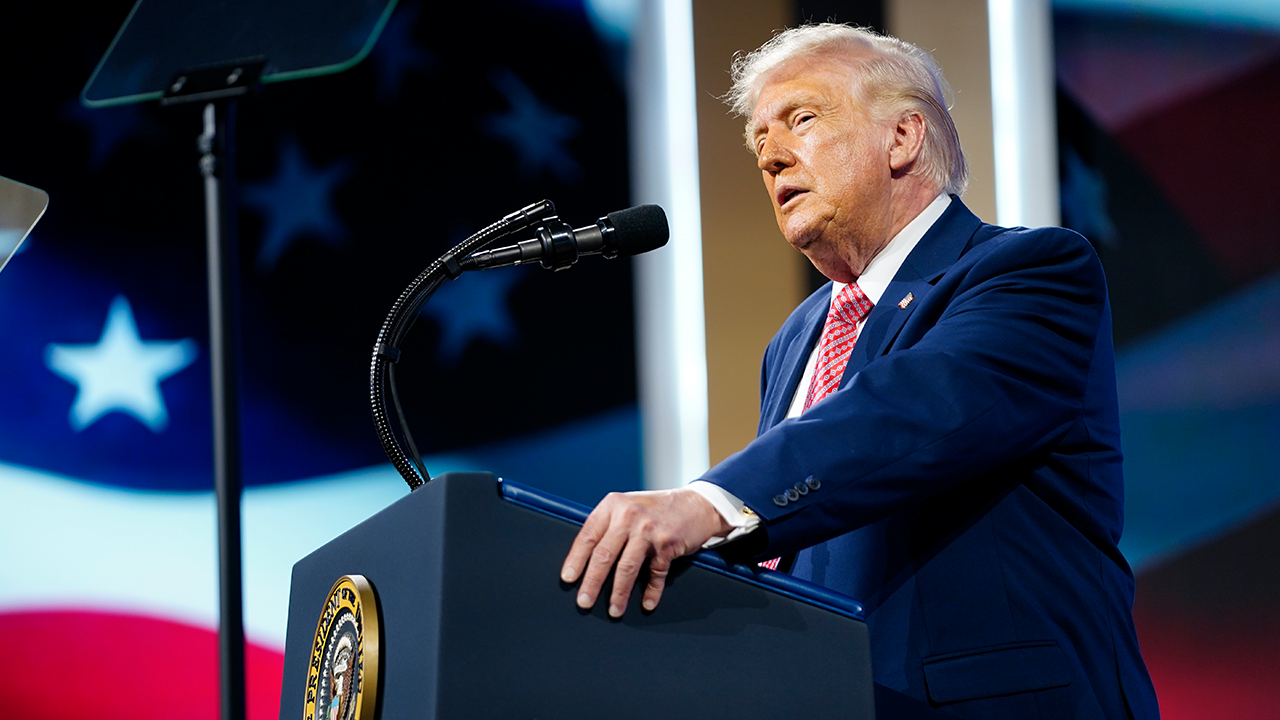
President Trump signaled a potential shift in U.S. foreign policy during a speech in Miami Beach on Friday, suggesting Cuba could be the next target of American intervention following recent developments with Iran and Venezuela.
“And Cuba is next, by the way. But pretend I didn’t say that,” Trump told attendees at the Future Investment Initiative Institute Summit. “Please, please, please media, please disregard that statement. Thank you very much — Cuba’s next.”
The comments came as the administration appears to be navigating a complex set of international relationships and conflicts, including ongoing negotiations with Iran over the strategically vital Strait of Hormuz, through which approximately one-fifth of the world’s oil supply flows.
Trump’s remarks on Cuba, while brief, represent a potentially significant policy statement toward the communist-ruled island nation located just 90 miles from Florida’s coast. U.S.-Cuba relations have fluctuated dramatically over the decades, with periods of attempted normalization followed by renewed tensions.
During his speech, Trump criticized NATO allies for their absence in negotiations with Iran, calling it a “tremendous mistake” that could reshape America’s commitment to the alliance.
“They just weren’t there,” he said. “It’s going to make a lot of money for the United States because we spent hundreds of billions of dollars a year on NATO, hundreds of protecting them. And we would have always been there for them. But now, based on their actions, I guess we don’t have to be, do we?”
The president’s comments underscore his long-standing frustration with what he perceives as inadequate defense spending by NATO members and insufficient burden-sharing in global security matters.
Central to the ongoing negotiations with Iran is the reopening of the Strait of Hormuz, a narrow waterway between the Persian Gulf and the Gulf of Oman. The Iranian regime has recently imposed substantial charges on tankers transiting through the strait, creating concerns about global energy security and shipping costs.
“We’re negotiating now, and it would be great if we could do something, but they have to open it up,” Trump said, before jokingly referring to it as the “Strait of Trump — I mean, Hormuz.”
The president has previously asserted that the U.S. will “have control of anything we want” regarding the strait, signaling a hard-line stance in the negotiations with Tehran. The waterway’s importance to global energy markets cannot be overstated, as disruptions to shipping in the strait can lead to significant volatility in oil prices worldwide.
Trump’s remarks come amid a backdrop of complex regional dynamics in the Middle East, including ongoing tensions between Iran and Israel, as well as shifting alliances and power dynamics throughout the region.
The Miami Beach summit, which attracted international business leaders and government officials, including Saudi Arabian Finance Minister Mohammed Al-Jadaan, provided Trump a platform to articulate his foreign policy vision centered on what he describes as “peace through strength.”
While emphasizing his preference for diplomatic solutions, Trump also acknowledged that “sometimes force is necessary” – a philosophy that seems to underpin his approach to international relations and conflict resolution.
The administration’s recent capture of Venezuelan leader Nicolás Maduro, referenced by Trump during his remarks, represents another significant development in U.S. foreign policy in the Western Hemisphere, particularly regarding countries with authoritarian governments that have historically maintained close ties with adversaries like Russia and China.
As negotiations with Iran continue and with the president now hinting at a potential shift in policy toward Cuba, observers will be closely watching for concrete actions that may follow these public statements.
Fact Checker
Verify the accuracy of this article using The Disinformation Commission analysis and real-time sources.

13 Comments
The potential shift in Cuba policy is an interesting development. Given the strategic location and resources, any changes there could have ripple effects throughout the region and global energy markets.
That’s a good point. Cuba’s proximity to the U.S. and role in Caribbean geopolitics means policy changes there could have wider implications, especially for energy and shipping.
The comments on Cuba are noteworthy, given the complex history between the U.S. and that country. Any shift in policy towards the island nation could have significant regional implications.
As a investor in mining and metals equities, I’ll be watching these geopolitical developments closely. Stable supply chains and access to key resources like copper, lithium, and uranium are vital for my portfolio.
Agreed. Geopolitical risks can have a major impact on commodity markets and the mining companies I follow. Diversification is key to managing that exposure.
As an analyst focused on the uranium and nuclear fuel cycle, I’ll be watching the Iran negotiations closely. Ensuring reliable access to nuclear materials is vital for my coverage universe.
Interesting update on the administration’s foreign policy moves. It will be important to monitor the negotiations with Iran and any developments around Cuba policy carefully.
I agree, the geopolitical landscape seems to be shifting rapidly. Trump’s comments on Cuba caught my attention – it will be worth watching for any concrete policy changes there.
Curious to see how the situation with Iran and Venezuela plays out. Maintaining stable energy supplies is critical, so the administration’s diplomatic efforts in the Strait of Hormuz deserve close attention.
Good point. The potential impact on global oil flows is a key consideration here. The administration will need to balance tensions with Iran while ensuring energy security.
It’s encouraging to see the administration making progress on some foreign policy fronts, even as challenges persist in others. Maintaining a balance and pursuing pragmatic solutions will be crucial.
Lots of moving pieces geopolitically. It will be important for the administration to maintain clear communication and a coherent strategy, especially on issues like Iran and Cuba that could impact global trade and energy flows.
Well said. Consistent, transparent policymaking will be key, given the complexity and potential ramifications of these foreign policy decisions.