


Listen to the article
Trump Administration Expands Travel Ban to Include Five Additional Countries
President Donald Trump has significantly expanded U.S. travel restrictions, adding five more countries to an existing travel ban while tightening limitations on several others. The move, announced Tuesday, represents the latest effort by the administration to strengthen U.S. immigration policies and entry requirements.
Under the new proclamation, citizens from Burkina Faso, Mali, Niger, South Sudan and Syria, as well as individuals holding Palestinian-Authority-issued travel documents, will face complete bans on travel to the United States. The administration also elevated existing partial restrictions on Laos and Sierra Leone to full suspensions of entry.
Additionally, 15 other nations will face partial restrictions: Angola, Antigua and Barbuda, Benin, Cote d’Ivoire, Dominica, Gabon, The Gambia, Malawi, Mauritania, Nigeria, Senegal, Tanzania, Tonga, Zambia and Zimbabwe.
“The restrictions and limitations imposed by the Proclamation are necessary to prevent the entry of foreign nationals about whom the United States lacks sufficient information to assess the risks they pose, garner cooperation from foreign governments, enforce our immigration laws, and advance other important foreign policy, national security, and counterterrorism objectives,” the White House stated in the proclamation.
The expansion comes just months after Trump’s June announcement that banned entry for citizens from 12 countries – Afghanistan, Burma, Chad, the Republic of Congo, Equatorial Guinea, Eritrea, Haiti, Iran, Libya, Somalia, Sudan and Yemen – while also imposing tighter restrictions on Burundi, Cuba, Laos, Sierra Leone, Togo, Turkmenistan and Venezuela.
In justifying the expanded ban, the administration cited several critical concerns with the targeted countries. Many allegedly suffer from “widespread corruption, fraudulent or unreliable civil documents and criminal records, and nonexistent birth-registration systems,” making thorough vetting of travelers difficult or impossible.
Other nations were included for refusing to share law enforcement data with U.S. authorities, while some were flagged for offering “Citizenship-by-Investment schemes” that the administration claims can conceal identities and allow individuals to bypass standard vetting procedures and travel restrictions.
The proclamation also “narrows broad family-based immigrant visa carve-outs that carry demonstrated fraud risks, while preserving case-by-case waivers,” according to the White House statement. This indicates the administration is closing what it perceives as loopholes in the family-based immigration system while maintaining flexibility for individual exceptions.
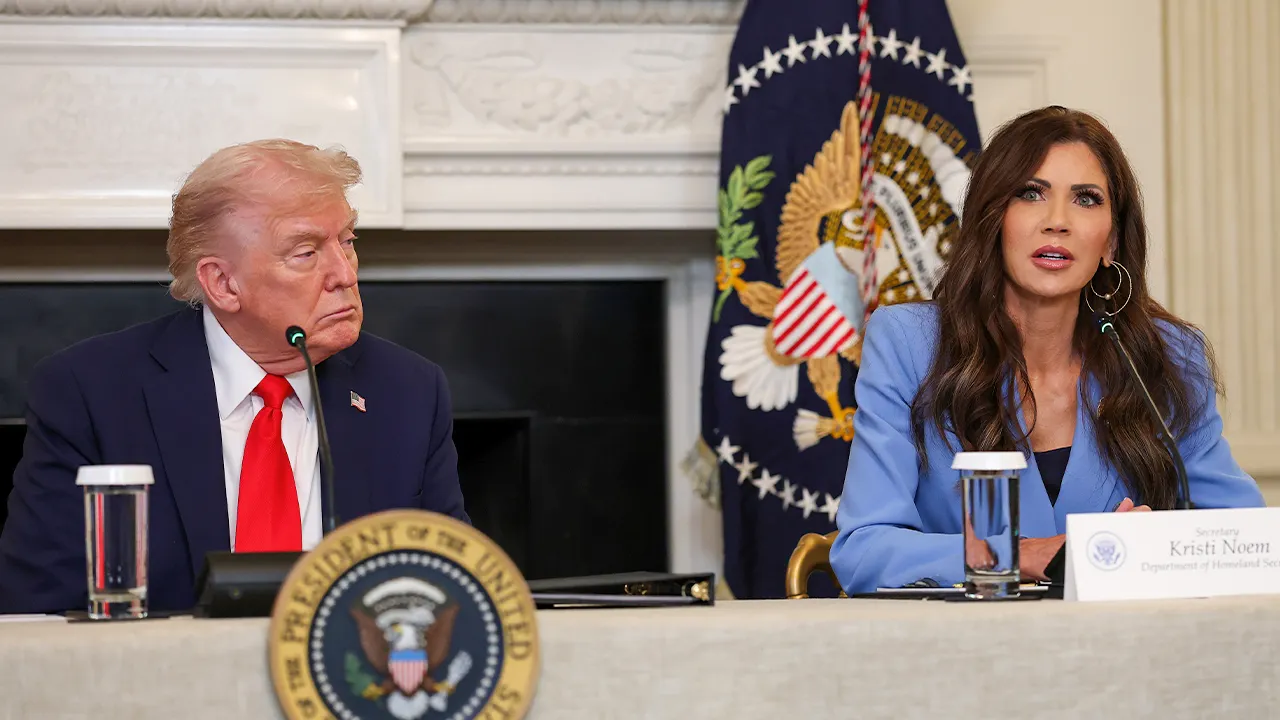
This latest immigration action follows closely behind the Thanksgiving weekend arrest of an Afghan national suspected of shooting two National Guard soldiers in Washington D.C. Homeland Security Secretary Kristi Noem stated that the suspect, Rahmanullah Lakanwal, was among the Afghan nationals who entered the U.S. under Operation Allies Welcome during the Biden administration. Lakanwal is accused of shooting U.S. Army Spc. Sarah Beckstrom, who died from her injuries, and U.S. Air Force Staff Sgt. Andrew Wolfe, who is recovering.
The expanded travel restrictions reflect the Trump administration’s continued focus on immigration enforcement and border security as central policy priorities. Critics have previously characterized similar travel restrictions as discriminatory, while supporters view them as necessary security measures.
The ban’s impact will be far-reaching, affecting thousands of potential travelers and immigrants from the targeted nations. Many of the countries included in the expanded ban are in Africa, with a particular focus on West African nations experiencing political instability and security challenges.
As the administration implements these new restrictions, it remains to be seen how affected nations will respond diplomatically and what humanitarian exceptions might be granted on a case-by-case basis.
Fact Checker
Verify the accuracy of this article using The Disinformation Commission analysis and real-time sources.

22 Comments
While national security is a valid concern, these types of broad travel restrictions can have far-reaching humanitarian and diplomatic consequences. I hope policymakers are carefully weighing all the implications.
It will be interesting to see how this policy change is received by the international community and whether it faces any legal or political challenges.
While security is a valid concern, these types of broad travel bans can have unintended consequences and raise ethical questions. I hope policymakers are thoughtfully weighing all implications.
It will be interesting to see if this policy change faces legal challenges or diplomatic backlash from the affected nations and the international community.
This is a significant expansion of the existing travel restrictions. I wonder what data and analysis went into determining which additional countries to include. Balancing national security and humanitarian concerns must be challenging.
Regardless of one’s political views, these types of immigration policy changes can have far-reaching consequences that merit careful consideration.
This seems like a significant escalation of the administration’s immigration policies. I hope the decision-making process carefully weighed both security concerns and humanitarian impacts.
It will be important to monitor how this policy change is received by allies, adversaries, and affected communities both at home and abroad.
The expanded travel ban reflects the administration’s continued focus on restricting immigration. I’m curious to understand the data-driven rationale behind targeting these specific countries.
Regardless of one’s political leanings, these types of sweeping policy changes deserve close scrutiny to ensure they are necessary, effective, and ethically sound.
The expanded travel ban raises concerns about discrimination and overreach. I hope the administration is taking a thoughtful, data-driven, and balanced approach to address legitimate security needs.
Given the sensitivity of national security issues, I’m curious to learn more about the specific threat assessments that informed this policy decision.
This significant expansion of the travel ban raises concerns about discrimination and overreach. I hope the administration is taking a balanced, data-driven approach to address legitimate security needs without unfairly targeting certain nationalities.
Given the sensitive nature of national security, I’m curious to learn more about the specific threat assessments and risk factors that informed this policy decision.
The expanded travel ban seems to be a controversial move that will impact travel and immigration from several African and Middle Eastern countries. I’m curious to learn more about the security concerns that led to this decision.
It will be interesting to see how this policy change is received both domestically and internationally. There are often complex geopolitical factors at play with decisions like this.
Tightening entry requirements for certain nationalities raises human rights concerns. I hope the administration is taking a measured and ethical approach to address legitimate security needs without unfairly discriminating.
As with any high-profile policy, I expect there will be vigorous debate and legal challenges around the implementation of this expanded travel ban.
The expanded travel ban reflects the administration’s continued hardline stance on immigration. I’m curious to understand the specific threat assessments and data that led to the targeting of these particular countries.
Regardless of one’s political views, these types of high-profile policy changes deserve close scrutiny to ensure they are necessary, effective, and ethically sound.
The expanded travel restrictions seem to be a continuation of the administration’s ‘America First’ immigration policies. It will be important to monitor the real-world impacts on affected individuals and communities.
Given the sensitive nature of national security, I’m curious to learn more about the specific threat assessments that led to these particular countries being targeted.