


Listen to the article
President Trump Dismisses Concerns Over Tucker Carlson’s Interview with Far-Right Activist
President Donald Trump brushed aside concerns Sunday about conservative commentator Tucker Carlson’s recent controversial interview with Nick Fuentes, a far-right activist known for his antisemitic views, creating further division within the Republican Party.
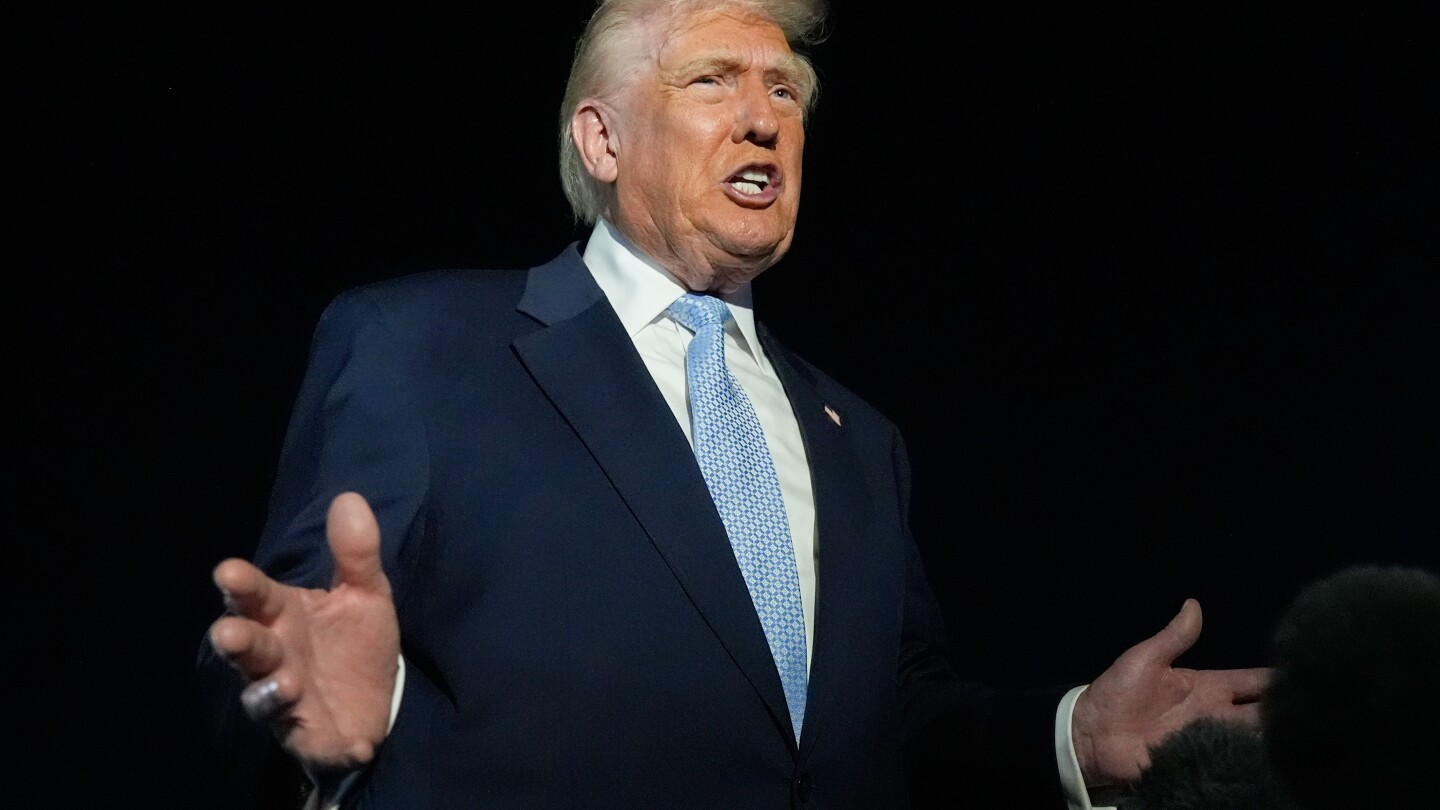
Speaking to reporters in West Palm Beach, Florida before returning to Washington, Trump defended Carlson, saying the former Fox News host “has said good things about me over the years” and suggesting that interviewers should have freedom to choose their guests.
“You can’t tell him who to interview,” Trump said. “If he wants to interview Nick Fuentes, I don’t know much about him, but if he wants to do it, get the word out. People have to decide.”
The president added, “Meeting people, talking to people for somebody like Tucker — that’s what they do. You know, people are controversial.” He then quipped, “I’m not controversial, so I like it that way.”
Fuentes, who leads a movement that advocates preserving America’s white, Christian identity, appeared to appreciate Trump’s comments, posting “Thank you Mr. President!” along with video of the exchange on social media.
The interview has caused significant upheaval among conservatives, particularly at the Heritage Foundation, a prominent right-wing think tank. Heritage President Kevin Roberts initially defended Carlson for conducting the interview, causing outrage among staff members. Roberts later denounced Fuentes’ views after facing internal backlash.
This isn’t the first time Trump has faced questions about his connections to Fuentes. In 2020, Trump hosted Fuentes at his Mar-a-Lago resort during a dinner that also included rapper Ye, formerly known as Kanye West. That meeting drew widespread condemnation from Republicans, including former Vice President Mike Pence, who said it was wrong for Trump “to give a white nationalist, an antisemite and Holocaust denier, a seat at the table.”
Trump maintained Sunday that he didn’t know Fuentes at the time and was unaware he would be accompanying Ye to the dinner.
The president’s defense of Carlson comes at a politically complicated time, as his administration has simultaneously targeted colleges and universities over alleged tolerance of antisemitism during campus protests related to the Israel-Hamas war. This apparent contradiction has not gone unnoticed by critics.
Carlson himself has faced criticism for his far-right perspectives, including promotion of the “great replacement” theory—a white supremacist ideology claiming that white populations are being deliberately replaced by people of color through immigration and demographic change. He has also been outspoken in his criticism of U.S. support for Israel in its war with Hamas.
The controversy highlights growing tensions within the Republican Party regarding the normalization of extremist views and the party’s relationship with figures associated with white nationalism. Political analysts note this reflects broader struggles within conservative media and politics about where to draw boundaries around acceptable discourse.
For Carlson, who was dismissed from Fox News in 2023 but maintains significant influence through his independent podcast, the Fuentes interview represents his continued willingness to platform controversial figures that mainstream media typically avoids.
The episode further illustrates the complicated dynamics within Trump’s political coalition as he navigates relationships with various factions of the right while attempting to maintain broader appeal ahead of the next election cycle.
Fact Checker
Verify the accuracy of this article using The Disinformation Commission analysis and real-time sources.

7 Comments
Trump’s comments highlight the ongoing debate around free speech vs. responsible journalism. While I respect his perspective, I worry that normalizing fringe, hateful views does more harm than good. It’s a nuanced issue worth further discussion.
I’m a bit torn on this. On one hand, I value free speech and press freedom. But on the other, providing a platform for blatant antisemitism and extremism is concerning. It’s a complex issue with no easy answers.
This is a tricky situation. While I agree that journalists should have freedom to choose their guests, amplifying voices with hateful views can be very harmful. There needs to be a balance between free speech and responsible reporting.
Interesting perspective from Trump, though I’m a bit concerned about the associations with Fuentes and his concerning views. Journalists should exercise caution when interviewing figures with extreme or divisive ideologies.
I appreciate Trump’s defense of free speech, but giving a platform to someone with a history of antisemitic rhetoric is problematic. Journalists should thoughtfully consider the potential impacts of such interviews.
This seems like a divisive and sensitive topic. I can see merit in both the free speech and ethical reporting arguments. It’s important to carefully consider the societal impacts when giving a platform to figures with concerning ideologies.
I’m curious to hear more perspectives on this. There are valid points on both sides – the importance of press freedom, but also the need to avoid amplifying hateful rhetoric. It’s a complex issue without easy answers.