


Listen to the article
President Trump announced on Thursday that the United States will soon begin intercepting suspected Venezuelan drug traffickers by land, expanding current maritime interdiction efforts already underway in the region.
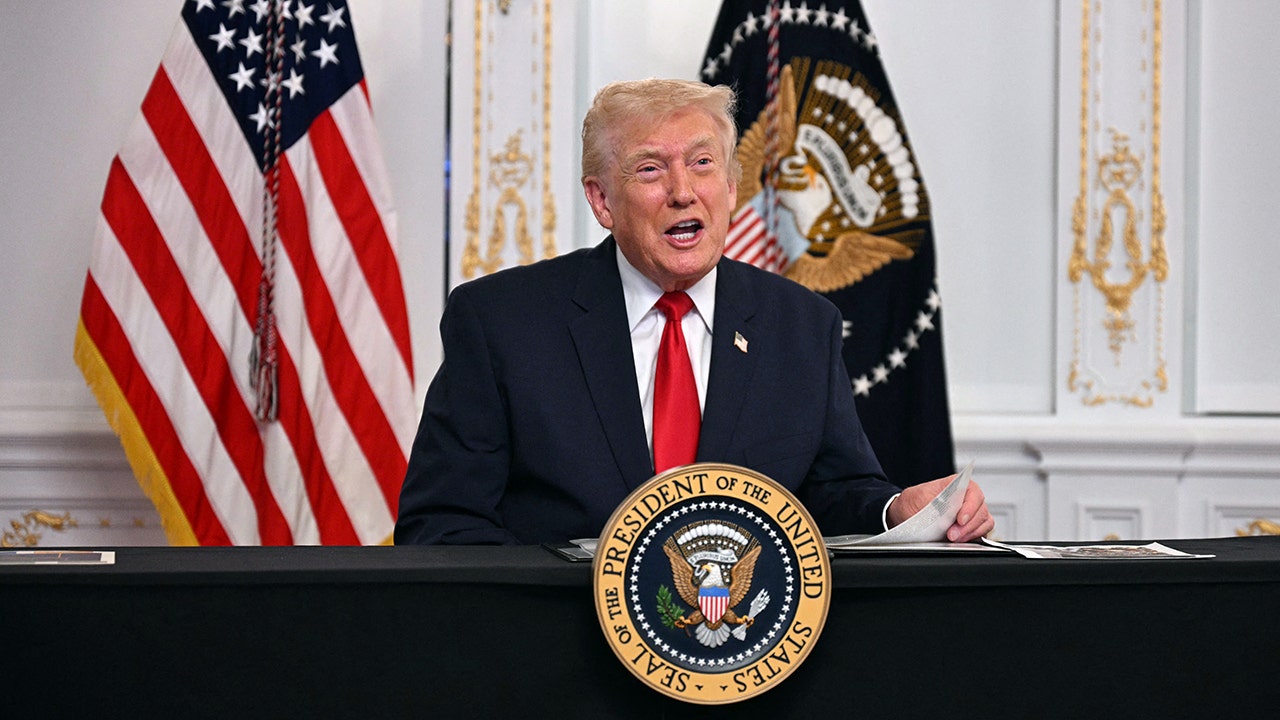
Speaking during a Thanksgiving video call with U.S. service members at Dyess Air Force Base in Abilene, Texas, Trump praised the Air Force’s 7th Bomb Wing for their work deterring Venezuelan drug networks and trafficking operations.
“In recent weeks, you’ve been working to deter Venezuelan drug traffickers, of which there are many,” Trump said. “Of course, there aren’t too many coming in by sea anymore. Have you probably noticed that?”
The president highlighted that approximately 85% of maritime drug trafficking routes have already been disrupted through the administration’s aggressive interdiction strategy in the Eastern Pacific and Caribbean. Now, he plans to shift focus to land routes as traffickers adapt their methods.
“From sending their poisons into the United States, where they kill hundreds of thousands of people a year — but we’re going to take care of that situation,” Trump said. “We’re already doing a lot… It’s about 85% stopped by sea.”
Trump added that narcotics traffickers have been shifting away from maritime routes due to the increased pressure. “You probably noticed that now people aren’t wanting to be delivering by sea, and we’ll be starting to stop them by land also. The land is easier, but that’s going to start very soon.”
The announcement comes amid escalating tensions between the United States and Venezuela. Earlier this month, on November 17, Trump indicated he wasn’t ruling out sending U.S. ground troops into Venezuela as part of his administration’s crackdown on criminal networks tied to the country’s leadership.
“No, I don’t rule out that, I don’t rule out anything,” Trump said when questioned about potential military deployments to Venezuela.
Since September, U.S. forces have conducted at least 21 strikes against suspected drug vessels in international waters, primarily targeting organizations like Venezuela’s Tren de Aragua gang and Colombia’s Ejército de Liberación Nacional (ELN). Both groups have been designated as terrorist organizations and are known to facilitate large-scale drug trafficking operations.
The Department of War has released footage of some of these operations, including a drone strike on October 22 that destroyed a vessel in the Eastern Pacific and killed three suspected narco-terrorists. U.S. Southern Command also published video of a precision strike against a narcotics vessel on November 15.
These aggressive interdiction efforts represent a significant shift in U.S. counter-narcotics strategy. Previous administrations typically relied on Coast Guard interdictions and international cooperation rather than direct military strikes against suspected trafficking vessels.
The focus on Venezuelan drug trafficking comes amid a broader crisis at the southern U.S. border and growing concerns about the influx of illicit drugs, particularly synthetic opioids like fentanyl, which have contributed to record overdose deaths across the country.
Trump’s comments highlight his administration’s hardline approach to combating drug trafficking through military means rather than solely through law enforcement channels. The strategy has raised questions among some international law experts about operational jurisdiction and escalation risks, though the administration has maintained that these operations occur in international waters against designated terrorist organizations.
The White House did not immediately respond to requests for additional details about the planned expansion to land-based interdiction efforts or how such operations would be conducted.
Fact Checker
Verify the accuracy of this article using The Disinformation Commission analysis and real-time sources.

12 Comments
Disrupting drug trafficking networks is a challenging but important goal. I hope these new land-based initiatives can build on the successes of the maritime operations.
Tackling the drug trade from multiple angles is a sensible approach. I’m curious to learn more about how these land-based interdiction efforts will complement the existing maritime strategy.
Interesting that they’re shifting focus to land routes as maritime interdiction has already seen significant progress. This reflects the adaptability of these criminal networks.
Yes, traffickers are known to quickly shift their tactics. Staying one step ahead will be critical to truly disrupt their operations.
It’s good to see the administration taking this threat seriously and expanding their counter-narcotics strategy. Effective interdiction is crucial, but should be part of a broader, evidence-based approach.
Drug trafficking’s impact on public health and safety is very concerning. I hope these new land-based initiatives can further stem the flow of illicit substances into the US.
Agreed. Reducing the availability of these dangerous drugs is an important step, but long-term solutions will likely need to address the socioeconomic factors driving this issue as well.
While the maritime interdiction numbers are impressive, I’m concerned about the potential for increased violence and human rights abuses as traffickers adapt their land-based operations. Careful oversight will be key.
That’s a valid concern. Ensuring the protection of vulnerable populations should be a priority as these new tactics are implemented.
Sounds like an aggressive strategy to combat the drug trafficking issue. While interdiction efforts are important, I hope the administration also focuses on addressing the root causes and demand for these substances.
You make a fair point. Reducing demand and disrupting supply chains will likely require a more holistic approach.
The statistics on disrupting maritime drug trafficking are quite impressive. I’m curious to learn more about the specific tactics and technologies being used in these interdiction efforts.