


Listen to the article
The Trump administration announced a new plan Thursday to redirect more water to California’s agricultural heartland, fulfilling a promise to farmers in the state’s Central Valley amid ongoing debates over water allocation and environmental protection.
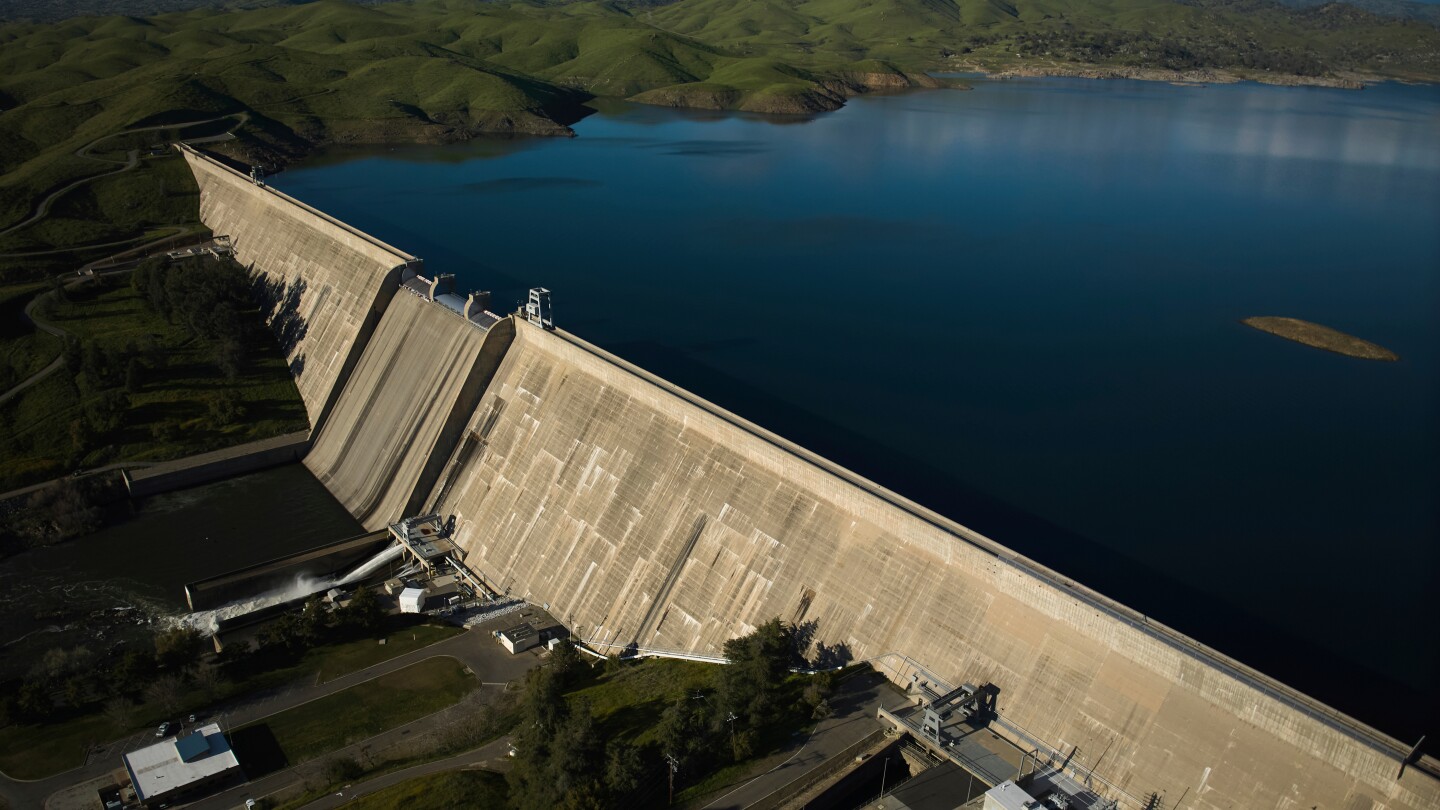
The U.S. Bureau of Reclamation’s plan will change operations of the Central Valley Project, a complex network of pumps, dams, and canals that directs water from California’s wetter northern regions southward. The change takes effect immediately and follows an executive order President Trump signed in January calling for increased water flow to agricultural areas.
Interior Secretary Doug Burgum said the initiative would “strengthen California’s water resilience,” but the decision quickly drew sharp criticism from state officials and environmental groups who warn it could threaten water supplies for other users and harm endangered fish species.
Governor Gavin Newsom’s office condemned the move, with spokesperson Tara Gallegos stating it “disregards science and undermines our ability to protect the water supply for people, farms, and the environment.” The governor’s office characterized the decision as “putting politics over people.”
California’s water management presents a geographic challenge: most water resources are located in the north, while the majority of the population resides in the south. The federally managed Central Valley Project works in coordination with the state-run State Water Project, which supplies drinking water to 27 million Californians. Both systems transport water through the Sacramento-San Joaquin River Delta, a critical habitat for salmon and the endangered delta smelt.
Karla Nemeth, director of the California Department of Water Resources, warned that the federal plan could force the state to devote more of its water to species protection if the federal project diverts additional water to farms. This could potentially limit the state’s ability to deliver water to urban areas and state agricultural users.
Environmental advocates expressed alarm about potential ecological consequences. Barbara Barrigan-Parrilla of Restore the Delta cautioned that increased pumping would kill more Delta smelt and juvenile salmon that get caught in pumping systems. She also warned of harmful algae blooms as temperatures rise, creating conditions dangerous to wildlife, pets, and people, with potential economic impacts on property values in affected areas.
The Bureau of Reclamation denied claims that the changes would harm the environment or endangered species. Assistant Secretary for Water and Science Andrea Travnicek characterized the plan as “a forward-looking approach to water management that balances the needs of California’s communities, agriculture, and ecosystems.”
The Central Valley Project primarily serves agricultural interests, with smaller allocations for cities and industrial use. It provides irrigation water for approximately one-third of California’s agricultural land. Westlands Water District, one of the largest beneficiaries of Central Valley Project water, applauded the decision, with general manager Allison Febbo saying it would help ensure growers have sufficient water “to support local communities and the nation’s food supply, while also protecting California’s wildlife.”
Conservation groups, however, fear the decision puts already vulnerable salmon populations at greater risk. Vance Staplin, executive director of the Golden State Salmon Association, called for Governor Newsom to pursue legal action against “this unlawful federal move,” arguing that protections for salmon are already inadequate, with some runs facing potential extinction.
This isn’t the first time the Trump administration has moved to increase water allocation to the Central Valley. During his first term, Trump implemented similar changes, which Newsom fought in court, arguing they would drive endangered fish species to extinction. The Biden administration later modified those policies in 2024, adopting what environmental groups described as a modestly improved plan.
Trump renewed his criticism of California’s water management after Los Angeles-area wildfires in January when some fire hydrants ran dry, though the Central Valley Project does not supply water to Los Angeles. He labeled his January executive order “Putting People over Fish: Stopping Radical Environmentalism to Provide Water to Southern California.”
The decision highlights ongoing tensions between agricultural interests, urban water needs, and environmental protection in a state where water resources remain both precious and politically contentious.
Fact Checker
Verify the accuracy of this article using The Disinformation Commission analysis and real-time sources.

10 Comments
As a Californian, I have mixed feelings about this decision. While I appreciate the need to support our agricultural sector, I’m concerned about the potential harm to vulnerable ecosystems and other water users.
I share your concerns. California’s water issues are complex and will require nuanced solutions that balance multiple stakeholder interests.
California’s water management is a complex issue with valid concerns on all sides. It will be important to find a balanced solution that supports agriculture while also safeguarding water supplies and endangered species.
Water scarcity is a growing challenge in many parts of the world, including California. I wonder if this decision signals a broader shift in the administration’s approach to managing natural resources and the environment.
That’s a good point. This move could set a precedent that undermines environmental protections in the name of economic priorities.
This seems like a politically-motivated move that prioritizes the needs of farmers over environmental protection and other water users. I’m curious to see how state officials and environmental groups respond.
The decision to increase water flow to farms could have significant impacts on the state’s ecological systems. I hope the administration carefully considers the scientific evidence and long-term consequences before moving forward.
This seems like a short-sighted decision that could have long-term negative consequences. I hope state officials and environmental groups are able to mount an effective legal challenge to protect California’s valuable natural resources.
Interesting decision by the Trump administration to redirect more water to California farms. It highlights the ongoing tension between agricultural and environmental interests when it comes to water allocation.
This is a divisive issue that pits economic interests against environmental ones. It will be interesting to see how the courts and lawmakers ultimately resolve the competing priorities around California’s finite water resources.