


Listen to the article
The Trump administration announced plans on Wednesday to roll back Endangered Species Act protections, reviving changes from the former president’s first term that had been blocked under President Biden. The proposal would eliminate the U.S. Fish and Wildlife Service’s “blanket rule” that automatically protects threatened species, requiring instead that government agencies develop species-specific protection rules.
The move responds to longstanding demands from Republican lawmakers and industries including oil and gas, mining, and agriculture, which have argued the landmark 1973 law impedes economic growth. Interior Secretary Doug Burgum defended the changes, saying they would restore the act to its “original intent” while respecting “the livelihoods of Americans who depend on our land and resources.”
“These revisions end years of legal confusion and regulatory overreach, delivering certainty to states, tribes, landowners and businesses while ensuring conservation efforts remain grounded in sound science and common sense,” Burgum said.
Environmental advocates warn the changes could create dangerous delays in protection efforts for numerous threatened species. Stephanie Kurose with the Center for Biological Diversity expressed alarm at the potential consequences: “We would have to wait until these poor animals are almost extinct before we can start protecting them. That’s absurd and heartbreaking.”
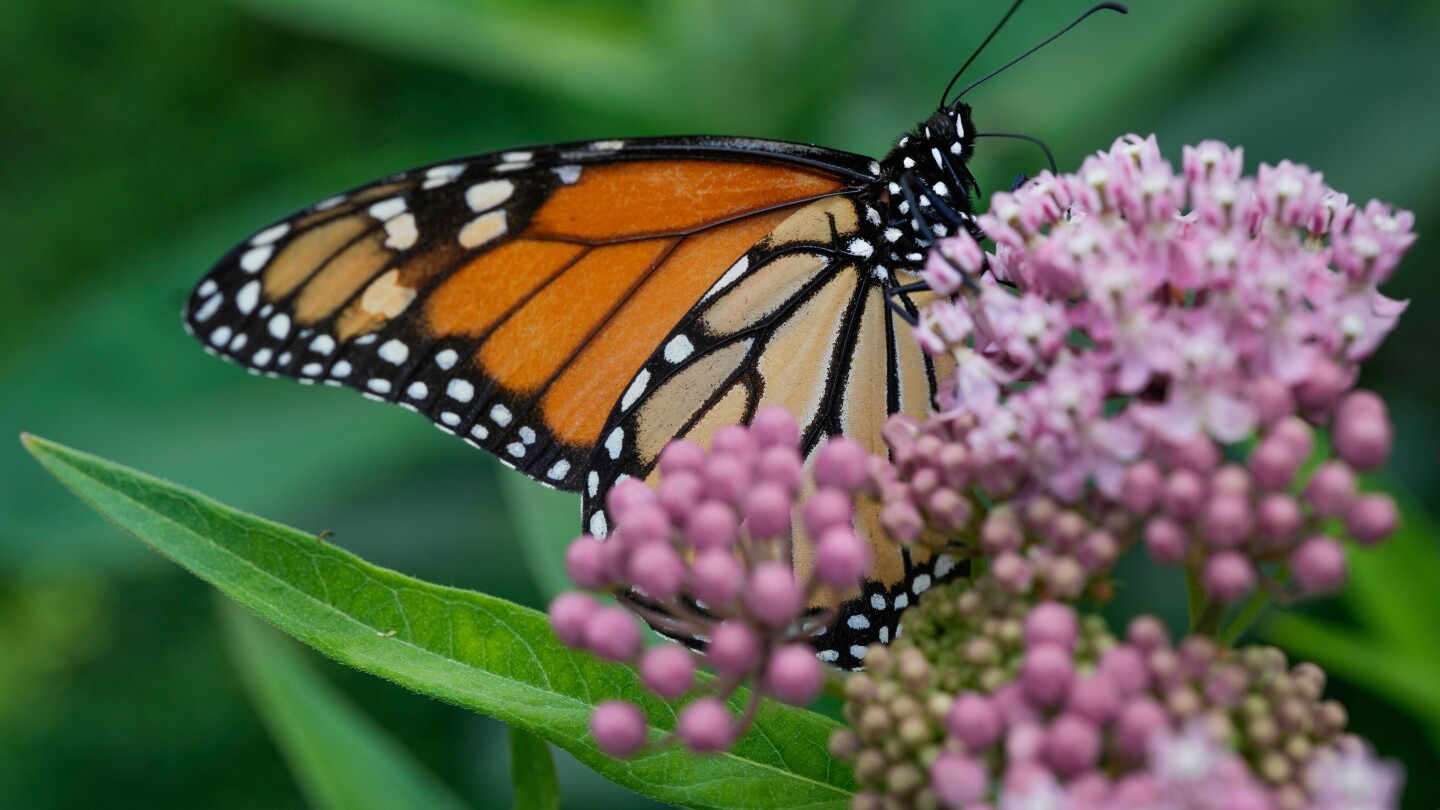
Species potentially affected include the monarch butterfly, Florida manatee, California spotted owl, and North American wolverine. Scientists have documented accelerating extinction rates globally due to habitat loss and other environmental pressures.
Another key change would require officials to analyze economic impacts when determining whether habitat is critical for a species’ survival, potentially complicating and delaying protection decisions.
The case of the Yarrow’s spiny lizard illustrates what’s at stake. Rising temperatures have devastated the lizard population in Arizona’s Mule Mountains, forcing the reptiles higher up mountainsides as they face possible extinction. A petition filed Wednesday seeks endangered status for the lizard, but advocates worry the proposed rule changes could hamper protection efforts.
“We think that the species should be listed as endangered. In fact, we are somewhat shocked that it is not already extinct,” said John Wiens, a professor at the University of Arizona who co-authored the petition.
The Interior Department faced a lawsuit in March over the blanket protection rule from the Property and Environment Research Center and Rocky Mountain Elk Foundation. These groups argued the rule was illegal and discouraged conservation partnerships with states and landowners.
Jonathan Wood, vice president of the Property and Environment Research Center, praised Wednesday’s proposal as a “necessary course correction” that “acknowledges the blanket rule’s unlawfulness and puts recovery back at the heart of the Endangered Species Act.”
Critics counter that the changes go even further than Trump’s first-term rollbacks. Kristen Boyles of the environmental law firm Earthjustice pointed out that the proposals would allow federal agencies to disregard negative effects on species if those impacts aren’t directly regulated by the agencies themselves.
“The Services are required to prevent harmful consequences to species, not ignore them,” Boyles said.
The announcement is part of a broader Trump agenda focused on expanding oil and gas production and reducing environmental regulations. Other pending proposals would revise the definition of “harm” under the Endangered Species Act and potentially bypass species protections for logging projects on public lands and in national forests.
During Trump’s first term, his administration also rolled back protections for individual species including the northern spotted owl and gray wolf. The spotted owl decision was reversed in 2021 after officials determined that Trump appointees had used “faulty science” to justify opening millions of acres of West Coast forest to potential logging. Wolf protections across most of the U.S. were restored by a federal court in 2022.
The Endangered Species Act currently protects more than 1,600 species in the United States and its territories. The law, signed by Republican President Richard Nixon in 1973, is widely credited with saving numerous species from extinction, including the bald eagle and California condor.
Fact Checker
Verify the accuracy of this article using The Disinformation Commission analysis and real-time sources.

6 Comments
This is a complex issue with valid arguments on both sides. It’s important to balance species protection with economic realities. I’d like to see a reasonable compromise that addresses the needs of all stakeholders.
While I understand the desire to roll back regulations, we must be cautious about weakening protections for endangered species. Their habitats are already under immense pressure – we should err on the side of conservation.
I agree, the risks to endangered species and their ecosystems outweigh short-term economic interests. We need a balanced approach that considers long-term sustainability.
As someone who follows the mining and commodities sectors, I’m concerned about the potential for this rollback to enable further habitat destruction. Protecting biodiversity should be a priority alongside responsible resource development.
Curious to hear more details on the specific changes proposed and how they would impact different industries like mining and energy. What are the key trade-offs being considered here?
This seems like a politically charged issue. I’d encourage looking at the scientific evidence and consulting with diverse stakeholders to find a sensible path forward that safeguards the environment without unduly burdening businesses.