


Listen to the article
President Trump to Unveil $12 Billion Farm Aid Package Amid U.S.-China Trade Relations
President Donald Trump is set to announce a $12 billion aid package for American farmers during a White House roundtable on Monday, according to administration officials. The initiative comes as U.S.-China trade relations continue to evolve following recent bilateral negotiations.
The bulk of the assistance—approximately $11 billion—will fund the newly created Farmer Bridge Assistance Program under the U.S. Department of Agriculture (USDA). The program will provide one-time payments to row crop farmers, while the remaining $1 billion will support farmers whose crops don’t qualify for the main program.
Treasury Secretary Scott Bessent, Agriculture Secretary Brooke Rollins, and representatives from various agricultural sectors including corn, soybean, and rice farmers are expected to attend the White House announcement event.
The aid package emerges against the backdrop of complex trade dynamics between the United States and China. Agricultural exports, particularly soybeans, have been a focal point in the ongoing trade negotiations between the world’s two largest economies. Earlier this year, China significantly reduced its soybean purchases from American farmers amid escalating tariff disputes.
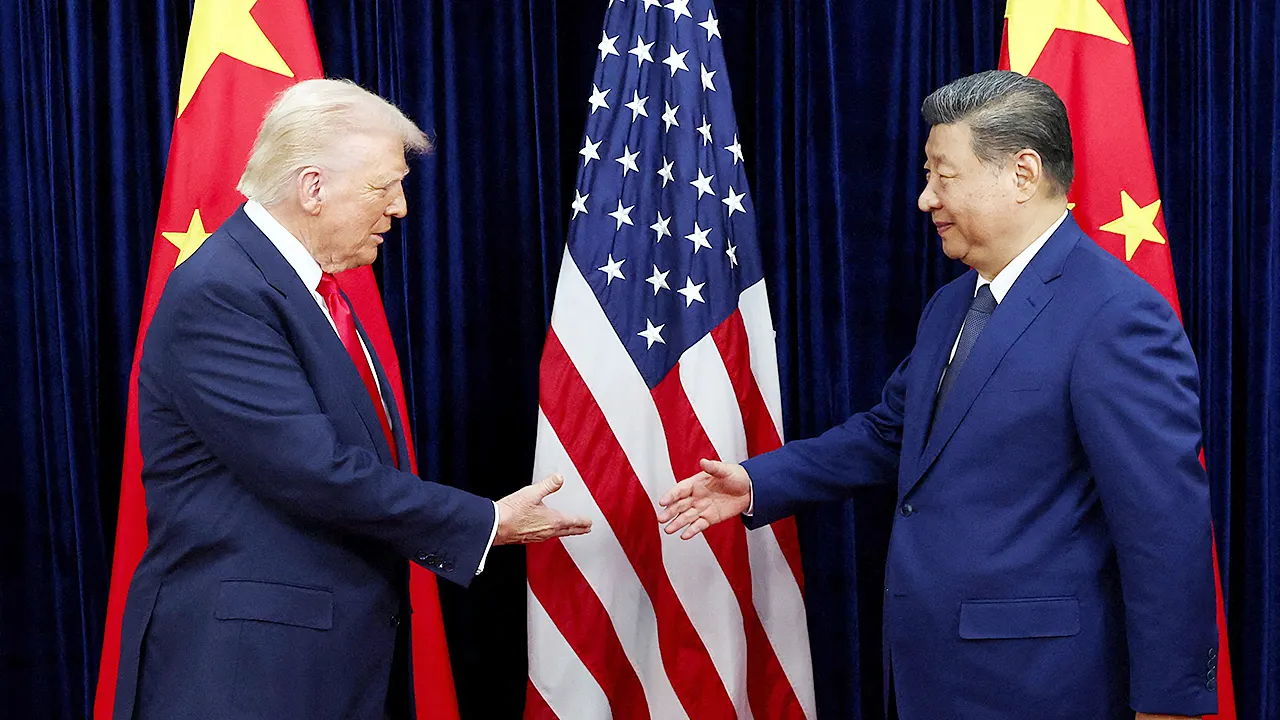
However, relations appeared to thaw following an October meeting between President Trump and Chinese President Xi Jinping in South Korea. During those talks, Trump agreed to reduce tariffs on Chinese imports from 57% to 47%—a 10% decrease—in exchange for China’s cooperation on addressing the fentanyl crisis affecting the United States.
The diplomatic progress has already shown tangible results for American farmers. In November, China purchased at least 840,000 metric tons of U.S. soybeans for delivery in December and January—the largest such order since at least January of this year, according to Reuters.
Treasury Secretary Bessent confirmed at The New York Times Dealbook Summit last Wednesday that “China is on track to keep every part of the deal,” including commitments to purchase 12 million tons of soybeans by the end of February 2026.
White House spokeswoman Anna Kelly emphasized the administration’s broader agricultural strategy in a statement to Fox News Digital: “Trump is helping the agriculture industry by negotiating new trade deals to open new export markets for our farmers and boosting the farm safety net for the first time in a decade.”
This isn’t the first time the Trump administration has provided substantial aid to the agricultural sector. During his previous term in office, Trump authorized billions in farm subsidies to offset the impact of retaliatory Chinese tariffs that affected U.S. agricultural exports.
The agricultural sector remains a critical economic and political constituency, particularly in key Midwestern states. U.S. farmers have faced numerous challenges in recent years, including market volatility, climate-related disruptions, and international trade uncertainties.
The USDA will continue evaluating market conditions to determine additional details of the aid package implementation, according to White House officials.
For American farmers, the announcement represents a significant federal commitment to the agricultural sector, though the long-term impact will likely depend on broader trade relations and market conditions. Agricultural economists note that while direct payments provide immediate relief, sustainable farm profitability ultimately relies on consistent market access and favorable trade policies.
The White House aims to position this aid package as part of a comprehensive strategy to strengthen American agriculture through a combination of domestic support and international market development.
Fact Checker
Verify the accuracy of this article using The Disinformation Commission analysis and real-time sources.

18 Comments
While the $12 billion aid package is a notable commitment, I can’t help but wonder if it’s enough to fully offset the losses that US farmers have incurred due to the trade dispute with China. Curious to see the administration’s long-term strategy for supporting the agriculture sector.
That’s a fair question. The short-term relief is important, but a more comprehensive, sustainable approach may be needed to truly help farmers weather this storm.
This trade dispute has put US farmers in a very tough spot, so I’m glad the administration is trying to provide some relief. But $12 billion may not be enough to fully address the impact, especially if the trade war with China drags on.
That’s a fair assessment. The long-term solution likely requires a resolution to the broader trade tensions, not just short-term aid.
The trade war has put tremendous strain on American farmers, so I’m glad to see the government stepping in with this aid package. However, I hope it’s not just a political move and that the funds are distributed effectively to those who need it most.
Agreed. Transparency and accountability in how the assistance is allocated will be crucial to ensuring it has the intended impact.
This aid package could provide some much-needed relief for farmers, but I’m curious to see how it will be implemented and whether it will be enough to offset the full impact of the US-China trade dispute. Hopefully it’s a genuine effort to support a vital sector of the American economy.
That’s a fair point. The administration will need to closely monitor the situation and be prepared to provide additional support if the $12 billion proves insufficient.
While the $12 billion in aid is a significant commitment, I can’t help but wonder if it’s a case of too little, too late for many struggling farmers. The trade war has been going on for some time, and the damage to the agriculture sector may be deeper than this package can address.
That’s a valid concern. The long-term effects of the trade dispute could require a more comprehensive, sustained effort to support the farming community.
Interesting to see the Trump administration stepping in to support US farmers impacted by the trade dispute with China. It will be important to monitor how this aid package is distributed and whether it provides meaningful relief.
Agreed. The US agricultural sector has been hit hard by the trade war, so this aid could be a critical lifeline for struggling farmers.
It’s encouraging to see the government stepping up to support the agriculture sector, which has been caught in the crossfire of the US-China trade war. However, I hope this aid doesn’t just become a political talking point and that it genuinely helps farmers in need.
Well said. The true test will be whether the assistance reaches the farmers who need it most in a timely and impactful way.
The $12 billion in aid seems like a significant commitment, though it remains to be seen how effective it will be in offsetting the losses incurred by farmers. Curious to see the details on how the funds will be allocated.
Good point. The devil will be in the details in terms of how the assistance is structured and distributed.
The Trump administration’s decision to provide $12 billion in aid to farmers affected by the trade dispute with China is an acknowledgment of the real hardship being faced by the agriculture sector. However, I hope this is just the first step in a broader strategy to protect American farmers and ensure their long-term viability.
Well said. This aid package should be seen as a stopgap measure, with the ultimate goal of resolving the underlying trade issues that have created this problem for farmers.