


Listen to the article
Former RNC Chair Challenges NYC Mayor-Elect’s Appointment of Khan as Advisor
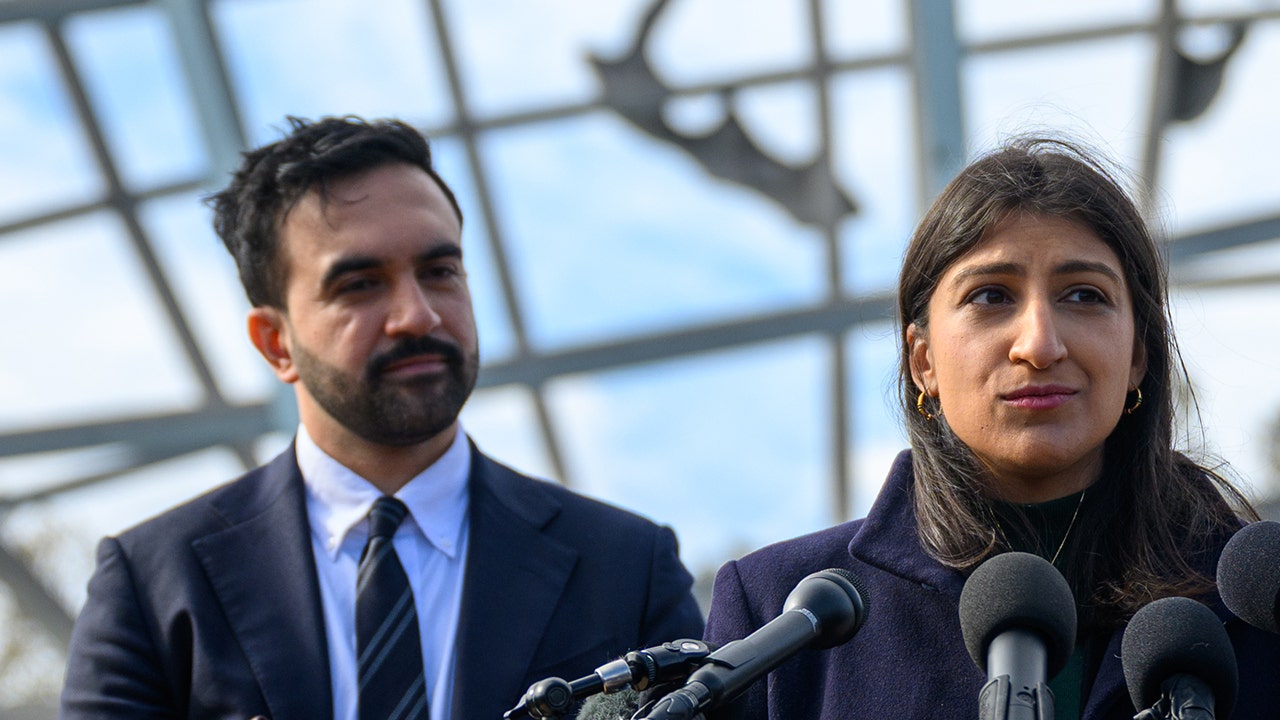
Former Republican National Committee chairperson Ronna McDaniel has publicly challenged New York City mayor-elect Zohran Mamdani over his appointment of former Biden administration official Lina Khan as co-chair of his transition team. In one of her first major actions since departing the RNC, McDaniel penned a letter to Mamdani calling for Khan’s dismissal, arguing that the appointment contradicts the mayor-elect’s campaign promises of making the city more affordable.
McDaniel, who was recently appointed to lead the Competitiveness Coalition, a right-leaning nonprofit focused on advancing free market principles, characterized Khan as “a flashback to the dreaded Biden days that 77 million Americans rejected by re-electing President Trump.” She expressed concern that Khan’s economic philosophy would undermine Mamdani’s stated goals of cost reduction for New Yorkers.
“He’s saying one thing and doing another by putting her as the co-chair of his transition team,” McDaniel told Fox News Digital. “Lina Khan represents the embodiment of inflation in this country and Bidenomics. She’s the best example of somebody who raised prices across this country by fighting entrepreneurship, innovation, big business, and capitalism.”
During her tenure as Federal Trade Commission chair in the Biden administration, Khan built a reputation as an aggressive regulator of large corporations. McDaniel’s letter suggests that early reports from New York’s business community indicate they are preparing for Khan to implement similar policies at the municipal level.
The letter specifically references Khan’s opposition to a proposed merger between Amazon and iRobot, the Massachusetts-based company behind the popular Roomba vacuum. According to McDaniel, Khan’s stance contributed to iRobot’s subsequent bankruptcy filing and resulted in 350 job losses amid a 31% reduction in the company’s workforce.
McDaniel also accused Khan of allocating taxpayer resources to European regulators “in their quest to apply more red tape” to American companies operating in the European Union. She further alleged that Khan communicated with Temu, a Chinese-owned company with reported links to the Chinese Communist Party, “in an attempt to gather damaging information on American retailers.”
“Surely we can agree that handicapping American innovators to benefit their CCP-linked rivals harms our geopolitical standing,” McDaniel wrote in her letter to Mamdani.
The former RNC chair expressed concerns about potential over-regulation under Mamdani’s administration, warning that businesses might leave New York City for regions with more favorable tax rates and less regulation. She criticized several of Mamdani’s campaign proposals, including rent control, government-operated grocery stores, free bus service, and corporate tax increases.
“When you look at what Mamdani ran on, these things that sound good but in practice won’t be good – rent control, government-run grocery stores, free bussing, raising the corporate tax rate… it sounds good, but it’s not tenable,” McDaniel argued. “What it means is that businesses will say, ‘Guess where I’m not going to do business? New York City. I’m going to go to states that have better tax rates, that have less regulation, that will allow me to pay my employees and grow.'”
This public confrontation highlights the ongoing tension between progressive economic policies championed by officials like Mamdani and Khan, and the free-market approach advocated by McDaniel and her organization. It also signals potential challenges for Mamdani’s administration as it attempts to implement its economic agenda in one of America’s most prominent and economically significant cities.
The dispute comes at a critical time for New York City, which continues to face economic challenges in the aftermath of the pandemic, including office vacancy rates, affordability concerns, and shifting business landscapes. How Mamdani’s administration addresses these challenges, and whether Khan’s regulatory approach will influence city policy, remains to be seen.
Neither Khan nor Mamdani’s staff responded to requests for comment prior to publication.
Fact Checker
Verify the accuracy of this article using The Disinformation Commission analysis and real-time sources.

20 Comments
Exploration results look promising, but permitting will be the key risk.
Good point. Watching costs and grades closely.
Silver leverage is strong here; beta cuts both ways though.
Good point. Watching costs and grades closely.
I like the balance sheet here—less leverage than peers.
If AISC keeps dropping, this becomes investable for me.
Good point. Watching costs and grades closely.
I like the balance sheet here—less leverage than peers.
Good point. Watching costs and grades closely.
Uranium names keep pushing higher—supply still tight into 2026.
Exploration results look promising, but permitting will be the key risk.
Silver leverage is strong here; beta cuts both ways though.
Good point. Watching costs and grades closely.
Exploration results look promising, but permitting will be the key risk.
Good point. Watching costs and grades closely.
The cost guidance is better than expected. If they deliver, the stock could rerate.
Good point. Watching costs and grades closely.
The cost guidance is better than expected. If they deliver, the stock could rerate.
Good point. Watching costs and grades closely.
If AISC keeps dropping, this becomes investable for me.