


Listen to the article
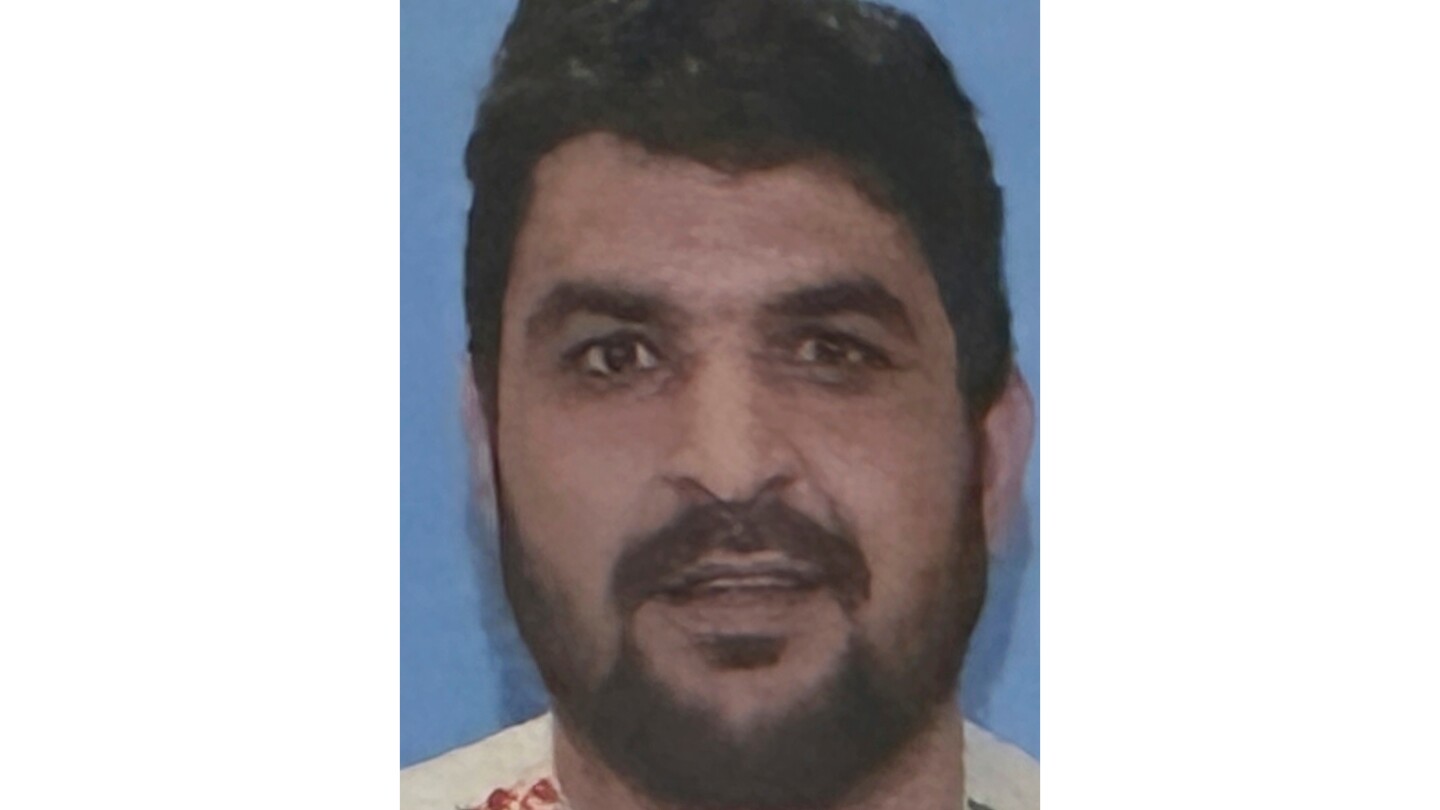
The Afghan man accused of fatally shooting a National Guard member near the White House last week had shown alarming behavioral changes and mental health deterioration for months prior to the attack, according to emails obtained by The Associated Press.
Rahmanullah Lakanwal, 29, charged with first-degree murder in the shooting that killed West Virginia National Guard Specialist Sarah Beckstrom, 20, and critically wounded Staff Sgt. Andrew Wolfe, 24, had reportedly been struggling significantly with his adjustment to life in the United States.
The emails reveal a pattern of increasingly concerning behavior that had prompted a community advocate to reach out to a refugee support organization earlier this year, fearing Lakanwal might harm himself. The correspondence provides the most comprehensive picture yet of the suspect’s troubled state in the months leading up to the Thanksgiving eve attack that shocked Washington, D.C.
“Rahmanullah has not been functional as a person, father and provider since March of last year,” stated a January 2024 email sent to the U.S. Committee for Refugees and Immigrants (USCRI). The community member, who spoke on condition of anonymity while cooperating with the FBI investigation, described a man who cycled between profound isolation and impulsive travel.
Lakanwal entered the United States in 2021 through Operation Allies Welcome, a program established to resettle Afghans following America’s withdrawal from Afghanistan. Many program participants, like Lakanwal, had worked alongside U.S. forces. In Afghanistan, he had served in a specialized “Zero Unit” of the Afghan Army that received backing from the CIA.
After resettling in Bellingham, Washington, with his wife and five young sons, all under age 12, Lakanwal struggled to adapt. By March 2023, he had quit his job and begun displaying alarming behavioral changes, according to the community advocate who had been monitoring the family’s situation.
The emails described prolonged periods where Lakanwal would shut himself in a darkened room, refusing to communicate with anyone, including his wife and older children. Family members reportedly resorted to sending his toddler sons into his room with messages because he would not respond to anyone else. During weeks when his wife traveled to visit relatives, his children would go unbathed, with unchanged clothes and poor nutrition, prompting concerns from their school.
These dark periods would occasionally be interrupted by brief attempts to “do the right things,” including re-engaging with mandatory requirements from the Washington State Department of Social and Health Services. However, these improvements would quickly give way to what the community member described as “manic episodes” during which Lakanwal would take the family car and drive across the country, once to Chicago and another time to Arizona.
The family’s financial situation had deteriorated to the point of facing eviction in 2023 after months of unpaid rent. The community member emphasized that while they feared Lakanwal might harm himself due to apparent depression, they never observed any indication that he might commit violence against others.
U.S. Attorney Jeanine Pirro stated that Lakanwal drove approximately 2,800 miles from Bellingham to Washington, D.C. specifically to carry out the attack on the National Guard members. Investigators are still working to establish a motive.
In response to the January and February 2024 emails detailing concerns about Lakanwal’s mental state, USCRI representatives reportedly visited Bellingham in March and attempted to make contact with Lakanwal and his family. According to the community member, no updates were provided after this visit, leading them to believe Lakanwal had refused assistance. USCRI did not immediately respond to requests for comment.
The shooting, which occurred just blocks from the White House, has raised questions about the effectiveness of support systems for refugees adjusting to life in the United States, particularly those who may have experienced trauma during their service alongside American forces in conflict zones.
Fact Checker
Verify the accuracy of this article using The Disinformation Commission analysis and real-time sources.

14 Comments
Tragic that the community’s concerns about the suspect’s mental state were seemingly not addressed adequately. This highlights systemic gaps in providing mental health resources and support for those struggling to adjust to life in a new country.
Yes, it’s a complex issue that requires a compassionate, multi-faceted response focused on early intervention and building strong community support networks.
This is a tragic and disturbing incident. It highlights the urgent need for better mental health support and integration services for refugees and immigrants struggling to adjust to life in a new country. Early intervention and community-based care could potentially have prevented this outcome.
I agree, the lack of proper support systems is a major contributing factor. We must do more to identify and assist those at risk before situations escalate to violence.
The details about the suspect’s mental health struggles and the community’s prior concerns are deeply troubling. This tragedy highlights systemic gaps in supporting vulnerable populations and the critical importance of early intervention and comprehensive mental health resources.
Well said. Addressing these complex issues requires a compassionate, community-driven approach to ensure no one falls through the cracks and access to the care and support they need.
This is a heartbreaking situation. The suspect’s ‘dark isolation’ and deteriorating mental health underscore the urgent need for better integration services and accessible, culturally-appropriate mental health resources for refugee and immigrant communities.
Agreed. Preventing such tragedies should be a top priority, requiring collaboration between government, social services, and community organizations to address these challenges holistically.
This is a heartbreaking situation. While the details are still emerging, it’s clear the suspect was in crisis and the community had raised concerns that went unaddressed. We must learn from this to improve support systems and prevent such tragedies in the future.
Absolutely. Identifying and assisting those struggling with mental health and adjustment challenges should be a top priority to enhance public safety and provide the care and resources people need.
The suspect’s ‘dark isolation’ and deteriorating mental health are deeply concerning. This tragedy underscores the challenges many refugees face and the critical importance of providing accessible, culturally-competent mental health resources to vulnerable populations.
Well said. Addressing these complex social issues requires a multi-faceted, compassionate approach focused on early intervention and community-based solutions.
The suspect’s mental health deterioration and ‘dark isolation’ paint a troubling picture. This incident underscores the urgent need for more robust, accessible mental health services and integration support for refugee and immigrant communities.
Well put. Preventing such tragedies requires a holistic, community-based approach to address the unique challenges faced by vulnerable populations.