


Listen to the article
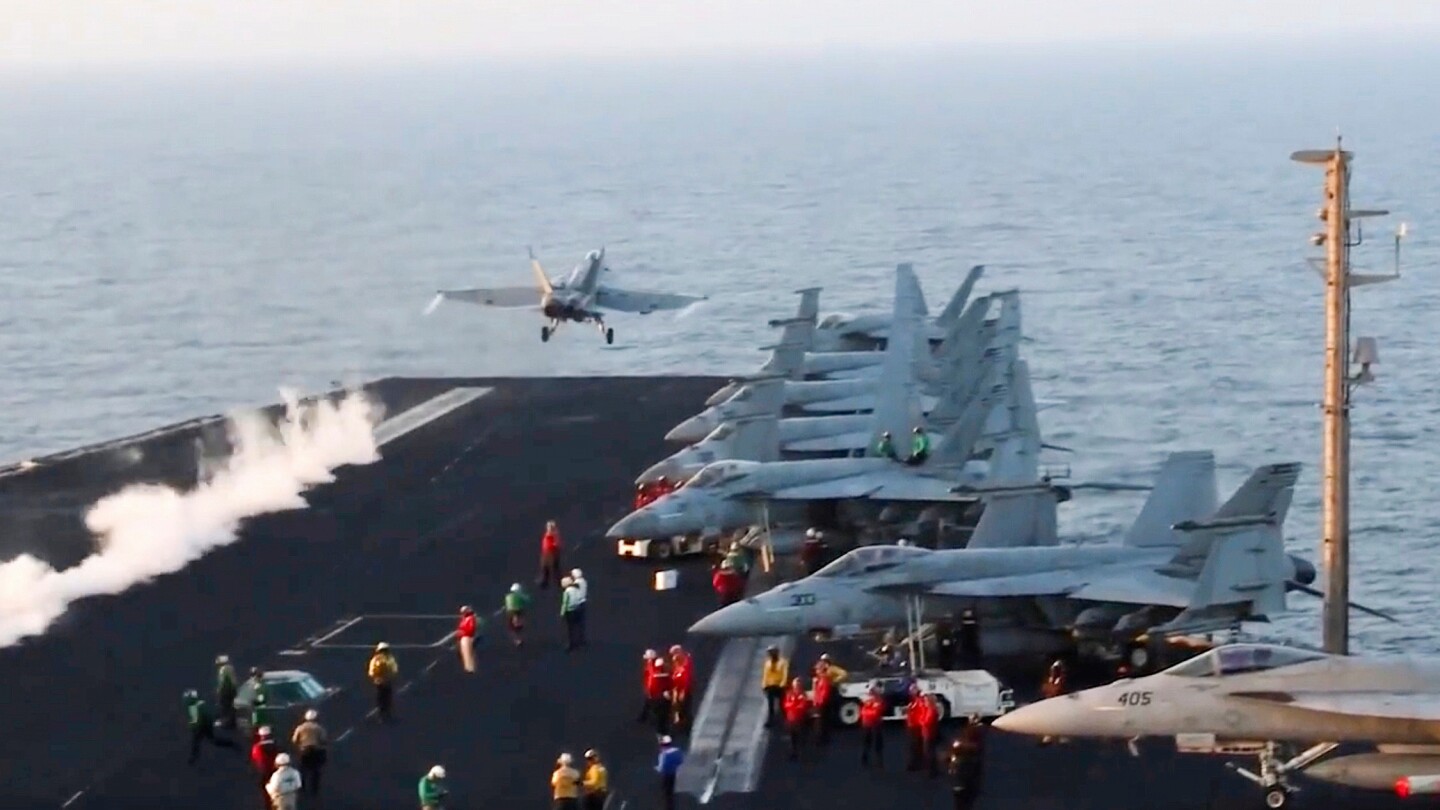
U.S. Navy faced the most intense naval combat since World War II during a months-long campaign against Yemen’s Houthi rebels, according to four investigative reports released Thursday that detail a series of costly and preventable mishaps.
The reports chronicle four incidents involving the USS Harry S. Truman carrier strike group: a “friendly fire” incident where the cruiser USS Gettysburg shot down one of Truman’s fighter jets; a collision between the Truman and a merchant vessel; and the loss of two more F/A-18F jets in separate incidents. Together, these mishaps cost the Navy more than $100 million in equipment losses and put numerous sailors at risk.
Investigators found that extended combat operations under constant missile threat created dangerous conditions aboard the carrier. The reports paint a concerning picture of sleep-deprived leadership, overworked crew members, and maintenance procedures that suffered under the strain of prolonged combat deployment.
“The clear message from this deployment is that the Navy is not ready to deal with the reality of extended combat,” said Bradley Martin, a senior policy researcher at RAND and retired Navy captain. “The Truman was obviously at a point where it was running at a ragged edge.”
The U.S.-led campaign against the Houthis began in October 2023 when the Yemeni rebels started targeting commercial shipping in the Red Sea with drones and missiles amid the Israel-Hamas war in Gaza. The operation intensified into a bombing campaign earlier this year, straining Navy resources far beyond initial expectations.
The Truman, which arrived in December 2024 as the third carrier deployed to the region, faced immediate combat operations. On December 22, after conducting its first defensive strike against Houthi targets, ships in the carrier’s strike group spent hours defending against retaliatory cruise missiles and drones.
During this heightened alert, the USS Gettysburg mistakenly identified several F/A-18F jets from the Truman as incoming Houthi missiles and fired upon two of them. Crew members from one jet ejected before impact, while the ship managed to stop the second missile just before it struck another aircraft. Investigators blamed poor training and overreliance on faulty technology for the friendly fire incident.
By February, the toll of continuous operations became apparent. Sailors reported feeling the strain of “a pressurized schedule and a culture of ‘just get it done.'” The investigation found that in some parts of the ship, intense combat operations “led to a numbness among the crew” with some sailors having “lost sight of the purpose of their role to the mission.”
This operational strain likely contributed to the Truman’s collision with a merchant vessel while transiting through congested waters outside the Suez Canal. Running behind schedule, an officer piloted the massive carrier at what investigators later termed an unsafe speed. The ship would have needed nearly a mile and a half to stop after cutting engines.
The report noted that “had the collision occurred 100 ft forward, the impact would have likely pierced a berthing compartment with 120 sleeping Sailors.” Quick action by Captain Dave Snowden, the Truman’s commander at the time, “reduced the angle of impact, and delayed the time to impact, which likely prevented more significant damage and potential loss of life.” Nevertheless, Snowden was relieved of command about a week after the collision.
The strain continued to show in subsequent months. In April, while the carrier made a sharp evasive maneuver to avoid an incoming Houthi missile, a fighter jet on the hangar deck began to slip as the ship tilted. Despite the pilot’s attempts to brake, the aircraft rolled off the deck into the ocean. Investigators found the deck was “far dirtier and more slippery than normal” because “high operational tempo of combat flight operations impeded the regular 10-day scrubs” required for safety.
A month later, another F/A-18F was lost when a cable designed to halt the 50,000-pound jet during landing snapped due to poor maintenance. Rear Admiral Sean Bailey, then-commander of Truman’s strike group, said maintenance was allowed “to degrade to the level of abject failure.” Investigators noted that “personnel struggled to balance maintenance requirements with operational requirements” under combat conditions.
Admiral James Kilby, the Navy’s second-highest ranking officer, assured reporters that “accountability actions were taken across all the operators involved” in the four mishaps, though specific details were redacted from the public reports.
The incidents highlight critical questions about the Navy’s readiness for extended combat operations. “Some of this is a case of the Navy writ large asking for too much and finding out what happens when too much is demanded,” Martin said, calling the mishaps a “wake-up call” about the dangers of overextending ships and their crews.
“The level of air threat that was coming from the Houthis, it’s nothing like you’d get from China, but it was enough to be stressing,” Martin added. “And I think what you saw was a lot of brittleness in the readiness and preparation.”
Fact Checker
Verify the accuracy of this article using The Disinformation Commission analysis and real-time sources.

8 Comments
The Houthi conflict seems to have pushed the USS Truman and its crew to their limits. I hope the Navy can learn from these experiences to better equip and protect their personnel in future extended combat deployments.
It’s concerning to see these preventable mishaps costing the Navy so much in terms of equipment and putting sailors at risk. Hopefully these findings will spur much-needed improvements in training, resources, and support for our naval forces.
It’s concerning to see the Truman and its crew pushed to the brink, leading to these preventable mishaps. Hopefully the Navy can learn from this experience and make the necessary changes to better protect its personnel and assets in future conflicts.
The reports highlight the immense strain that extended combat operations can have on even the most well-equipped and capable naval forces. The Navy needs to prioritize crew readiness and maintenance to ensure its ships and sailors are prepared for the realities of modern warfare.
This is a sobering reminder of the immense toll that prolonged combat can take, even on the most capable naval forces. Addressing sleep deprivation, overwork, and maintenance issues will be critical to ensuring our ships and sailors are ready for the demands of modern warfare.
This is a sobering reminder of the immense strain and pressure our naval forces face in extended combat operations. The reports highlight the need to prioritize crew readiness, maintenance, and procedures to ensure our ships and personnel are prepared for the realities of modern warfare.
The reports paint a troubling picture of the strain placed on the Truman and its crew during the Houthi campaign. Hopefully these findings will lead to meaningful reforms to better support and protect our naval personnel in future extended deployments.
This is a sobering reminder of the high stakes and immense challenges our naval forces face in extended combat deployments. The Navy must address the systemic issues revealed in these reports to better protect its personnel and assets in future conflicts.