


Listen to the article
House Republicans Probe Maryland Voter Rolls After Illegal Immigrant Found Registered
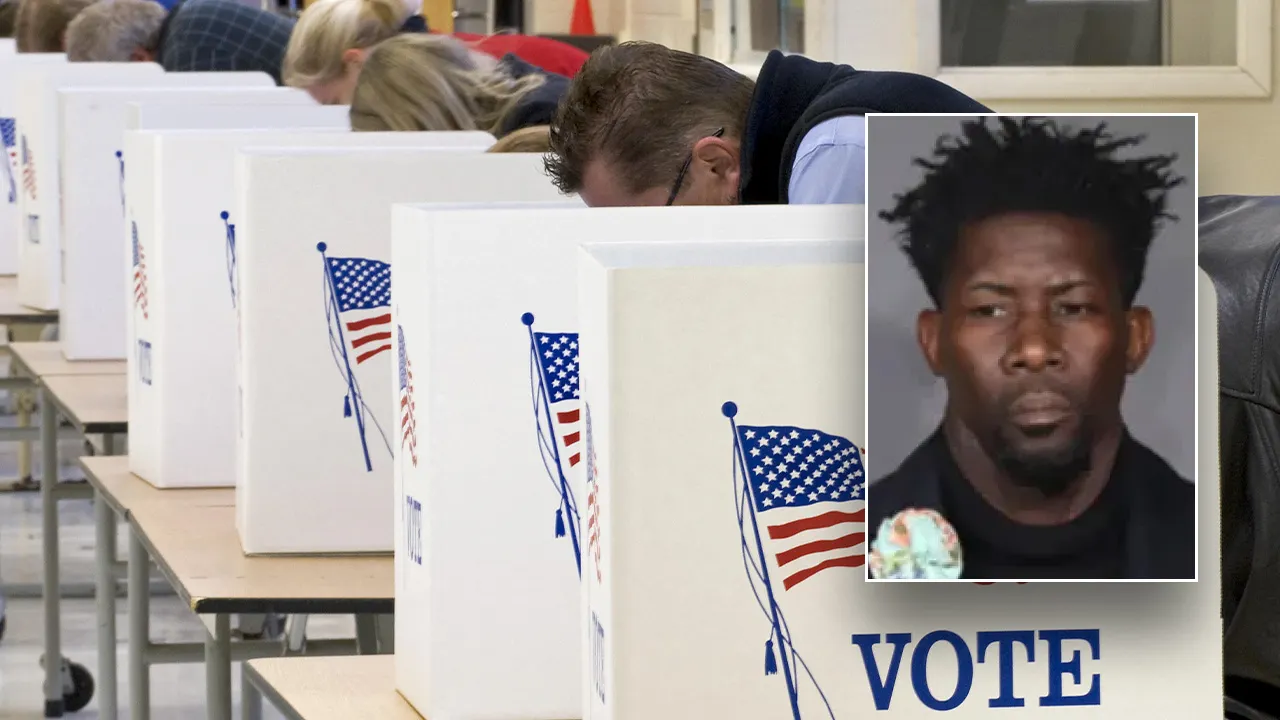
Maryland’s voter registration system has come under intense congressional scrutiny following revelations that Ian Andre Roberts, an illegal immigrant who served as superintendent of the Des Moines, Iowa public school system, was fraudulently registered to vote in the state despite not being a U.S. citizen.
House Committee on House Administration chair Bryan Steil (R-Wis.) and Vice Chair Laurel Lee (R-Fla.) have demanded answers from Maryland State Board of Elections Administrator Jared DeMarinis in a letter sent Thursday. The lawmakers presented ten questions focused on the state’s voter roll vetting process and concerns about potentially widespread registration of non-citizens.
“The Committee is concerned about the integrity and accuracy of Maryland’s citizenship verification processes, and therefore the state’s voter rolls,” the letter stated, requesting information about whether Roberts remains registered, if he ever voted, and details about Maryland’s procedures for removing ineligible voters from rolls.
The case has drawn significant attention as it connects to broader national debates about election integrity. Roberts, originally from Guyana, was arrested by Immigration and Customs Enforcement (ICE) officials in September while serving as superintendent of Iowa’s largest school district. The arrest revealed his employment authorization card had expired in 2020.
Following the arrest, investigations uncovered Roberts’ lengthy criminal history in the United States dating back to 1996, including charges of criminal possession of narcotics with intent to sell in New York. Authorities also discovered he was a registered voter in Maryland, where it is illegal for non-citizens to vote in federal or state elections.
The controversy intensified in November when the American Accountability Foundation filed a public records request for Roberts’ voter registration documents. The Prince George’s County Board of Elections initially returned heavily redacted documents that obscured critical information, including whether Roberts had checked the citizenship box on his application form.
After the conservative legal group Restoring Integrity and Trust in Elections (RITE) threatened legal action, the county board provided unredacted versions revealing Roberts had fraudulently claimed U.S. citizenship on the documents.
“When election officials attempt to hide eligibility records, the public loses the ability to verify that the law is being followed,” said RITE CEO and President Justin Riemer in December. “Once the records were produced, we saw just how weak Maryland’s safeguards really are. This is unfortunately all too common around the country.”
The Maryland State Board of Elections has previously stated that Roberts did not vote in any elections, despite his registration. Roberts had worked in Baltimore City Schools between 2001 and 2010 as a teacher, resident principal and principal before moving to Iowa.
The congressional inquiry comes as Maryland faces separate legal challenges over its voter registration practices. In December, the Justice Department’s Civil Rights Division filed a lawsuit against Maryland and five other states for “failure to produce their statewide voter registration lists upon request.”
Republican state delegate Matt Morgan, chair of the Maryland Freedom Caucus, voiced support for the federal investigations, saying, “For years, we’ve heard dismissals that non-citizens voting ‘never happens,’ yet Ian Andre Roberts’ story is irrefutable proof to the contrary.”
When Roberts was arrested, authorities reported he attempted to flee and was found with $3,000 in cash, a Glock 9mm pistol, and a hunting knife. On October 2, he was criminally charged with being an illegal alien in possession of firearms, adding to his extensive criminal record that includes weapons charges and reckless driving convictions.
Following his arrest, the Iowa Board of Educational Examiners revoked Roberts’ education license, and the Des Moines school district has sued the executive search firm that helped hire him, seeking monetary damages for breach of contract and negligence.
Maryland election officials maintain they are following all legal requirements. Wendy Honesty-Bey, an election administrator, stated the county “adheres to all legal and statutory requirements under the Federal and State Election Laws” and that the situation with the redacted information “was immediately rectified” after legal review.
Fact Checker
Verify the accuracy of this article using The Disinformation Commission analysis and real-time sources.

12 Comments
The details around this case are still emerging, but it highlights the need for robust voter roll verification. Maintaining accurate voter rolls is essential for protecting the electoral process.
You’re right, this case raises valid questions about Maryland’s verification procedures. The state election board should provide clear answers to address any vulnerabilities.
This is certainly concerning if true. Voter integrity is critical for a healthy democracy. I hope the investigation gets to the bottom of this issue and leads to necessary reforms to prevent non-citizens from being registered in the future.
Agreed, it’s important that all eligible voters are registered, and ineligible ones are removed. Transparency around the vetting process would help build public confidence.
Voter fraud, even on a small scale, is a threat to the democratic process. I hope the investigation into this case leads to meaningful reforms to strengthen the verification of voter eligibility.
You’re absolutely right. Maintaining the integrity of voter rolls is essential for preserving the sanctity of elections. Transparent and effective verification procedures are a must.
This case highlights the importance of rigorous citizenship verification during voter registration. Maintaining accurate voter rolls is essential for ensuring the legitimacy of election results.
You make a good point. Robust verification processes are critical to upholding the principle of one person, one vote. The public deserves answers on this matter.
While the details are still emerging, this case raises valid concerns about the potential for non-citizens to be registered to vote. Ensuring the integrity of voter rolls should be a top priority for election officials.
Agreed, this is a concerning development that merits a thorough investigation. Restoring public trust in the electoral process should be the primary goal.
Voter fraud, even on a small scale, is a serious issue that undermines faith in the electoral system. I hope the investigation is thorough and leads to meaningful reforms to safeguard the integrity of elections.
Agreed, any potential vulnerabilities in the voter registration system need to be identified and closed. Transparency from election officials will be key to reassuring the public.