


Listen to the article
The State Department has suspended all visa issuance for individuals traveling on Afghan passports following a deadly attack on National Guard members in Washington, D.C. The decision comes in direct response to the shooting that claimed the life of West Virginia National Guard Army Spc. Sarah Beckstrom, 20, and critically wounded U.S. Air Force Staff Sgt. Andrew Wolfe, 24.
Rahmanullah Lakanwal, a 29-year-old Afghan national, has been charged with first-degree murder and other counts related to the ambush. According to multiple sources, Lakanwal had been vetted by the CIA in Afghanistan and received final asylum approval earlier this year under policies established during the Trump administration.
“The Department of State has IMMEDIATELY paused visa issuance for individuals traveling on Afghan passports,” the agency announced on social media. “The Department is taking all necessary steps to protect U.S. national security and public safety.”
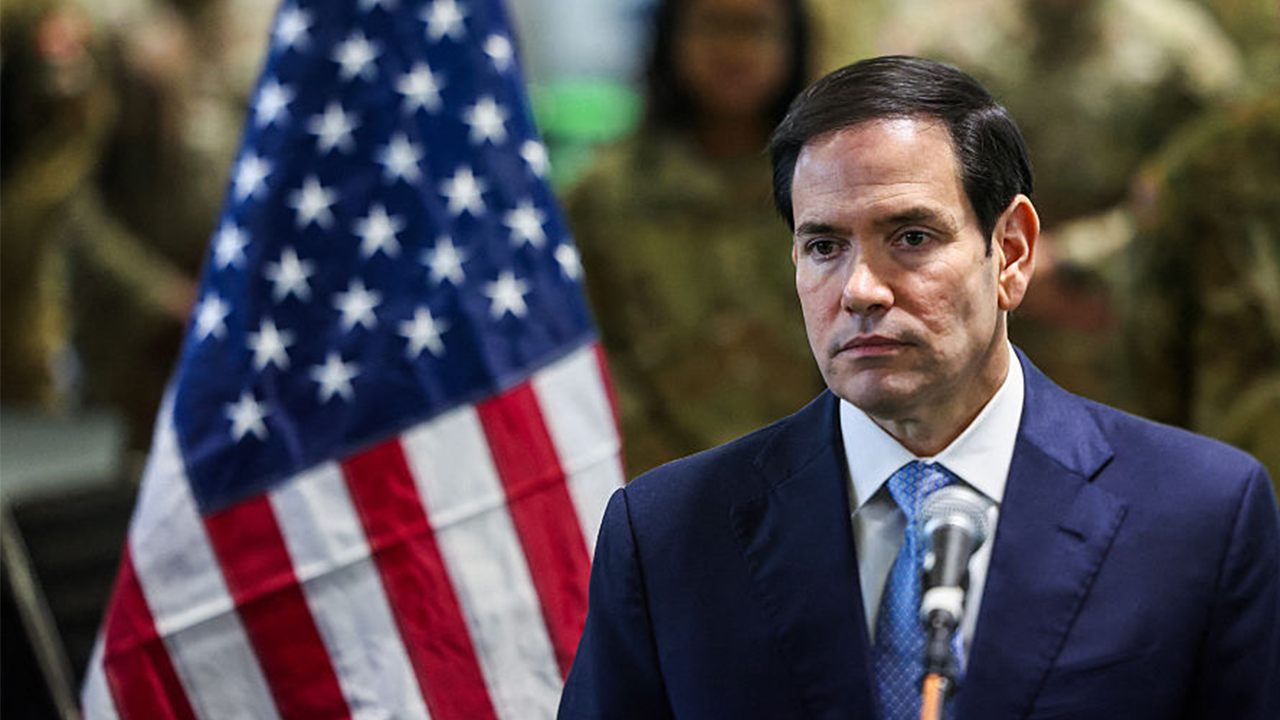
Secretary of State Marco Rubio reinforced the announcement on X, stating: “President Trump’s State Department has paused visa issuance for ALL individuals traveling on Afghan passports. The United States has no higher priority than protecting our nation and our people.”
The policy shift has drawn swift criticism from advocacy groups working with Afghan refugees. AfghanEvac, a U.S.-based nonprofit focused on relocation and resettlement of Afghan allies, condemned the decision as a “violation of federal law and standing court orders.”
“It appears Secretary Rubio is attempting to shut down the Afghan Special Immigrant Visa program in direct violation of federal law and standing court orders,” said AfghanEvac President Shawn VanDiver. “They are using a single violent individual as cover for a policy they have long planned, turning their own intelligence failures into an excuse to punish an entire community and the veterans who served alongside them.”
The decision comes amid heightened scrutiny of immigration policies under the Trump administration. When questioned about how the attack could have happened despite vetting procedures, President Trump told reporters at his Mar-a-Lago estate in Florida: “I mean, he went nuts, and that happens. It happens too often with these people. There was no vetting or anything. … We have a lot of others in this country, and we’re going to get them out.”
Trump acknowledged challenges in the asylum system, noting that “when it comes to asylum, when they’re flown in, it’s very hard to get them out. No matter how you want to do it, it’s very hard to get them out. But we’re going to be getting them all out now.”
The visa suspension for Afghan passport holders represents one component of a broader immigration policy shift. U.S. Citizenship and Immigration Services (USCIS) Director Joseph B. Edlow announced Thursday that, at Trump’s direction, there would be a “full-scale, rigorous reexamination” of every green card issued to immigrants from 19 countries deemed “high-risk.”
Those countries include Afghanistan, Burma, Chad, the Republic of the Congo, Equatorial Guinea, Eritrea, Haiti, Iran, Libya, Somalia, Sudan, Yemen, Burundi, Cuba, Laos, Sierra Leone, Togo, Turkmenistan and Venezuela.
The shooting incident and subsequent visa suspension highlight ongoing tensions surrounding U.S. immigration policy, particularly regarding individuals from countries with security concerns. The decision to halt all Afghan passport visas marks a significant departure from previous approaches to Afghan allies who worked with U.S. forces during the two-decade military presence in Afghanistan.
This policy shift could affect thousands of Afghans who collaborated with American forces and now seek refuge in the United States, including interpreters and other support personnel who face potential retribution from the Taliban for their association with U.S. operations.
As the administration proceeds with its “rigorous reexamination” of immigration approvals, legal challenges are expected from advocacy groups concerned that blanket policies may violate existing laws regarding asylum seekers and special immigrant visa holders.
Fact Checker
Verify the accuracy of this article using The Disinformation Commission analysis and real-time sources.

9 Comments
Tragic that this attack occurred, my condolences to the victims’ families. However, suspending all Afghan passport visas seems like an overly broad response. I hope the State Department can find a more surgical approach to address specific threats without shutting the door entirely.
Agreed, a more nuanced approach is needed. Visa vetting should continue, but a blanket ban may do more harm than good long-term.
This is a concerning development that will likely have ripple effects across various industries and communities. I’m curious to see how the State Department plans to balance security needs with the importance of maintaining legitimate travel and immigration pathways.
This is a complex issue with valid security concerns, but also risks excluding legitimate travelers and immigrants. I’m curious to learn more about the State Department’s plan to balance these competing priorities going forward.
An important point. Restoring visa processing as soon as safely possible will be crucial to maintain America’s global standing and ties.
An unfortunate but understandable response to a tragic incident. Protecting US citizens must be the top priority, even if it means difficult decisions around visas. I hope the State Department can find a way to resume visa processing as soon as the situation allows.
Reasonable precautions, but let’s hope this is a temporary measure. Continued engagement and cooperation with allies will be key to finding a long-term solution.
This is a concerning development. While we must protect national security, I hope the State Department can find a balanced approach that doesn’t overly restrict legitimate travel and immigration. Continued vigilance is needed, but knee-jerk reactions often do more harm than good.
Agreed. Nuanced, risk-based policies are crucial here. Striking the right balance between security and openness is challenging but important.