


Listen to the article
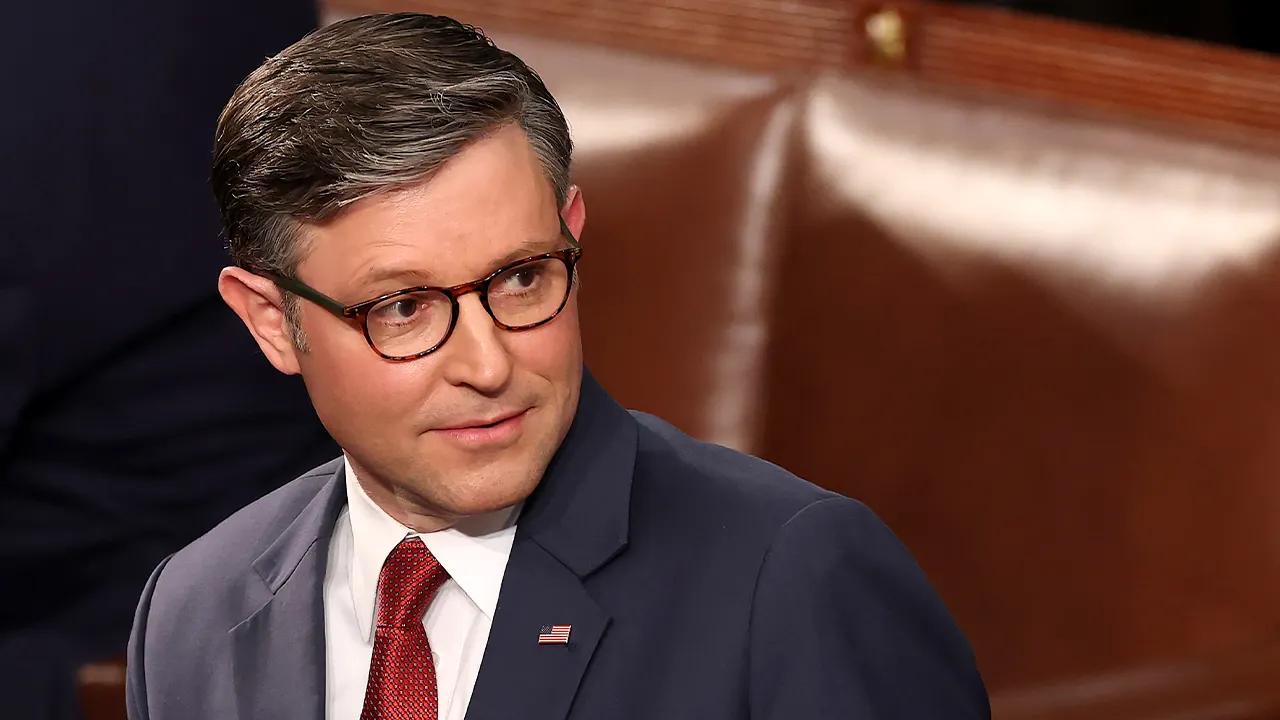
In a period of growing internal discord among Republicans over Israel, House Speaker Mike Johnson has delivered a strong defense of the U.S.-Israel alliance, characterizing it as a strategic necessity in the Middle East and condemning antisemitism in all forms.
Speaking during an interview on “The Katie Miller Podcast,” Johnson addressed what the host described as a “schism” within the GOP regarding support for Israel. The Speaker emphasized the importance of maintaining strong ties with Israel, noting that for many Americans, this support stems from “scripturally based, biblical reasons.”
“But even if you don’t accept that,” Johnson elaborated, “you have to look at this objectively and say it’s really important to have that ally and partner in that corner of the world, and it’s the only stable democracy in the Middle East. It’s a tinderbox.”
Johnson’s comments come at a critical juncture as the Republican Party confronts widening divisions over U.S. policy toward Israel. Traditionally, the GOP has maintained a staunchly pro-Israel stance, viewing the relationship as vital to American interests in the region. However, recent years have seen the emergence of dissenting voices within the party.
Most notably, Representatives Marjorie Taylor Greene of Georgia and Thomas Massie of Kentucky have broken with the party’s longstanding position. Greene, who recently announced her intention to resign from Congress in January 2026, has become an outspoken critic of U.S. policy toward Israel, advocating for reductions in military aid to Jerusalem.
Massie has established a reputation for opposing U.S. military assistance to Israel throughout his congressional career. He has frequently criticized what he perceives as the outsized influence of pro-Israel lobbying organizations, particularly the American Israel Public Affairs Committee (AIPAC), on U.S. foreign policy decisions.
The fracturing of Republican consensus on Israel reflects broader geopolitical shifts and evolving domestic political dynamics. For decades, unwavering support for Israel has been a cornerstone of Republican foreign policy. This position has been rooted in strategic considerations regarding Middle East stability, shared democratic values, and for many conservatives, religious convictions regarding the significance of Israel.
Johnson specifically addressed the rise in antisemitism, stating firmly that “the antisemitism stuff ought to be universally rejected and called out. And I’m very insistent about that. We got to love everybody and certainly the Jewish people.”
This concern about antisemitism has gained prominence in American political discourse, particularly following incidents on college campuses and increased tensions in the Middle East. Republican lawmakers have been vocal in demanding that institutions like Harvard respond more forcefully to allegations of antisemitism, with some threatening “compulsory measures” if responses are deemed inadequate.
The Speaker’s comments also come amid a complex international situation involving Israel’s recent military actions in Qatar, which have prompted rare criticism from the United States and created diplomatic challenges for the Trump administration in its relations with Gulf states.
As the Republican Party navigates these internal differences, Johnson’s firm stance represents an effort to maintain the party’s traditional position while acknowledging the diversity of views emerging within GOP ranks. The debate reflects broader questions about American foreign policy priorities, the nature of international alliances, and the influence of religious and strategic considerations in shaping U.S. approaches to the Middle East.
How these tensions within the Republican Party will evolve remains uncertain, but Johnson’s intervention signals a desire from party leadership to reaffirm core principles regarding Israel while confronting the realities of an increasingly complex political landscape both domestically and internationally.
Fact Checker
Verify the accuracy of this article using The Disinformation Commission analysis and real-time sources.

20 Comments
Interesting to see the speaker address the growing divisions within the GOP over support for Israel. While traditionally a unifying issue for Republicans, it seems partisan politics are now creeping into this foreign policy domain as well.
Yes, the partisan divide on Israel policy is a concerning development. It’s crucial that support for this key ally in the Middle East remains bipartisan.
The speaker’s remarks highlight the delicate balance that must be struck in navigating U.S. policy toward Israel. While the alliance is vital, managing partisan divisions and differing views within the GOP will be an ongoing challenge.
You make a good point. The U.S.-Israel relationship is complex, with both geopolitical and ideological considerations at play. Preserving bipartisan support will be crucial.
From a geopolitical perspective, the speaker makes a compelling case for why maintaining the U.S.-Israel alliance is in America’s strategic interests. The stability and democratic nature of Israel in that volatile region cannot be overstated.
Kudos to the speaker for condemning antisemitism in such a forceful manner. With rising incidents of hate targeting the Jewish community, this is an important stance to take, regardless of political affiliation.
Maintaining a strong alliance with Israel is clearly crucial for America’s interests in the volatile Middle East region. Speaker Johnson makes a compelling case for the strategic importance of this partnership, despite any political divisions within the GOP.
I agree that the U.S.-Israel alliance is critical, especially given the instability in the Middle East. Condemning antisemitism is also an important stance.
The speaker makes a compelling case for the strategic importance of the U.S.-Israel alliance, both from a security and a values-based perspective. Maintaining this partnership will be crucial going forward.
I agree, the geopolitical and ideological rationale for the U.S.-Israel alliance is strong. Preserving this relationship should be a priority for policymakers on both sides of the aisle.
Kudos to the speaker for condemning antisemitism so forcefully. This type of hate-fueled rhetoric and violence targeting the Jewish community is unacceptable, regardless of political affiliation. It’s an important stance to take.
Kudos to the speaker for condemning antisemitism so forcefully. This type of hate-fueled rhetoric and violence targeting the Jewish community is unacceptable, regardless of political affiliation.
It’s concerning to see growing divisions within the GOP over support for Israel. This has traditionally been a unifying issue for Republicans, so the emerging schism is noteworthy. The speaker’s defense of the alliance is timely.
It’s concerning to see the partisan politics creeping into U.S. policy toward Israel. The speaker is right to emphasize the strategic importance of this alliance, which has traditionally enjoyed broad support across the political spectrum.
The speaker’s remarks highlight the delicate political dynamics around U.S. policy toward Israel. While support has traditionally been bipartisan, it will be interesting to see how the emerging divisions within the GOP play out going forward.
You raise a good point. The changing views on Israel within the Republican party will be an important storyline to follow in the coming years.
The speaker’s remarks highlight the delicate balance that must be struck in navigating U.S. policy toward Israel. While the alliance is strategically vital, managing partisan politics and differing views within the GOP will be an ongoing challenge.
You make a good point. The U.S.-Israel relationship is complex, with both geopolitical and ideological considerations at play. Maintaining bipartisan support will be crucial.
The speaker’s defense of the U.S.-Israel alliance is a timely intervention given the emerging divisions within the GOP. Preserving this partnership should be a priority, given its strategic importance in the volatile Middle East region.
I agree, the geopolitical rationale for the U.S.-Israel alliance is clear. Maintaining bipartisan support for this relationship will be crucial going forward.