


Listen to the article
Lawmakers Rally to Change Mining Laws After Surprise Limestone Project in Piedmont
Three Republican lawmakers from Meade County are working to strengthen South Dakota’s mining regulations after a proposed limestone mine caught Piedmont residents completely off guard. The community only discovered the mining plans through a newspaper notice published in October.
Simon Contractors, a French-owned, Wyoming-based mining company, has secured state approval to extract limestone on 300 acres within and around the city of Piedmont, located along Interstate 90 between Rapid City and Sturgis. The operation is slated to begin in August and continue through 2043.
“We have rights, even if they tell us we don’t have rights,” said Chris Greenberg, a recent Piedmont retiree. “I can’t come into your yard and dump a load of garbage, but yet they can come in and tear up the land, and bring dust and noise and blasting?”
The project has exposed significant gaps in South Dakota’s mining regulations. Under current state law, limestone, sand, and gravel mines can operate with minimal oversight, requiring only a basic state license without mandating public hearings, environmental impact studies, or notifications to affected communities. More invasive mining operations, such as gold and silver extraction, face much stricter permitting requirements.
The situation is further complicated by Meade County’s lack of zoning ordinances, which voters have previously rejected. Without these protections, the company was able to develop plans without county input or approval.
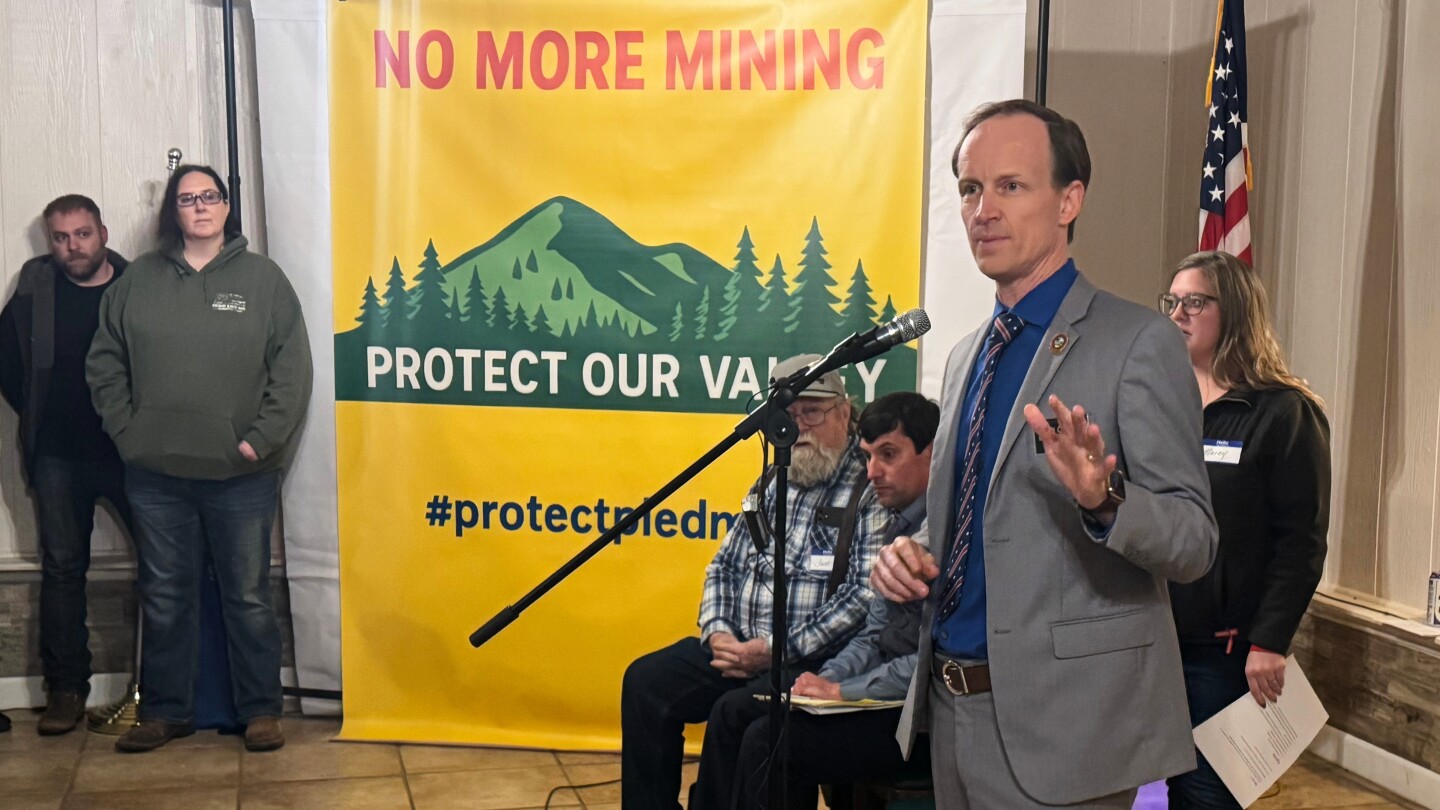
“There’s a lot of mining to be done and the question is, ‘Does it have to be done right next to houses, and does it need to be put in after the homes are already there?'” said State Senator John Carley, who represents the area. “If you moved into a community and there’s already a mine or industrial or commercial operation, you get to make that conscious decision. But this is a very different situation because there’s already a community established, and the mine is in a very visible, dust-oriented area.”
Community opposition has gained significant momentum. Residents have organized meetings, created a Facebook page that garnered 700,000 views in its first month, and built an email list with over 700 subscribers. Some neighbors have retained Yankton attorney Nick Moser, who successfully represented East River landowners in their fight against the Summit Carbon Solutions pipeline.
Rep. Kathy Rice, Rep. Terri Jorgenson, and Sen. Carley are now drafting legislation for the 2026 session that would enhance notification requirements, mandate environmental impact statements, and strengthen regulations for mining operations. While acknowledging this timeline may be too late to help Piedmont residents with their immediate concerns, the lawmakers are exploring additional avenues.
Rice is investigating whether a state law could be passed to require environmental impact statements for gravel and limestone mines, similar to requirements for gold or silver mining operations. “We need to know how it’s going to impact our water and our air and the communities that are there,” Rice said. “We can’t just tear apart a hill and not know what it’s going to do to the community that’s there.”
She also plans to reach out directly to landowners who have agreed to allow Simon to mine their property. “Simon has the license but does not have lease agreements,” Rice noted. “So I wonder, what would make them stop from signing the agreements?”
At a recent public meeting that drew approximately 250 residents to the Elk Creek Resort in Piedmont, concerned citizens raised numerous questions about the mine’s potential impacts on property values, insurance rates, noise levels, air quality, drinking water, and watershed protection. Simon Contractors, though invited, did not attend the meeting and did not respond to requests for comment.
Carley, who hosted the meeting, emphasized that most residents aren’t opposed to mining in principle but want reasonable protections. “Many of the calls go this way: ‘You know, I’m not against mining, mining is an important industry in South Dakota that is doing well in this state,'” he explained. “I’m against the mining when it’s in my backyard or when it’s going to cause noise or dust or watershed problems.”
The situation in Piedmont highlights a growing tension between industrial development and community rights throughout the region, with mining operations reportedly expanding throughout the Black Hills area. As the controversy unfolds, it may reshape how South Dakota balances economic development with environmental protection and community input in the years to come.
Fact Checker
Verify the accuracy of this article using The Disinformation Commission analysis and real-time sources.

10 Comments
The lack of environmental impact studies and public hearings for this limestone mine project is very concerning. Residents shouldn’t have to find out about major operations like this through a newspaper notice.
Absolutely. More transparency and community involvement in the permitting process would go a long way in building trust and ensuring balanced outcomes.
This is a complex issue without easy answers. On one hand, the economic benefits of mining are important. But the concerns raised by Piedmont residents about impacts to their quality of life also deserve serious consideration.
Agreed. It will be interesting to see what solutions the lawmakers propose to try and address both the community’s needs and the company’s interests.
This proposed limestone mine in Piedmont certainly seems to raise some valid concerns for local residents. It’s good to see lawmakers trying to strengthen mining regulations to better protect communities impacted by these operations.
You’re right, the lack of public oversight and environmental review is concerning. Residents deserve a voice in decisions that affect their communities.
This situation in Piedmont highlights the need for stronger mining regulations that protect local communities. It’s good to see lawmakers taking action, but they’ll need to strike the right balance between economic and environmental/social priorities.
Well said. Finding that balance is crucial – the goal should be sustainable development that supports the local economy while also respecting the rights and quality of life for residents.
Interesting to see the details on this surprise mining project. It highlights the need for more transparent and accountable mining regulations, especially when it comes to operations near residential areas.
Absolutely. Balancing economic development and environmental/community interests is always tricky, but clear rules and public input are essential.