


Listen to the article
Homeland Security Secretary Noem Approved Venezuelan Deportation Despite Court Order, DOJ Reveals
The Justice Department disclosed Tuesday that Homeland Security Secretary Kristi Noem authorized the Trump administration to proceed with the deportation of more than 200 Venezuelan migrants to El Salvador in March, despite an emergency court order blocking the action. This revelation has intensified scrutiny in an already contentious immigration battle.
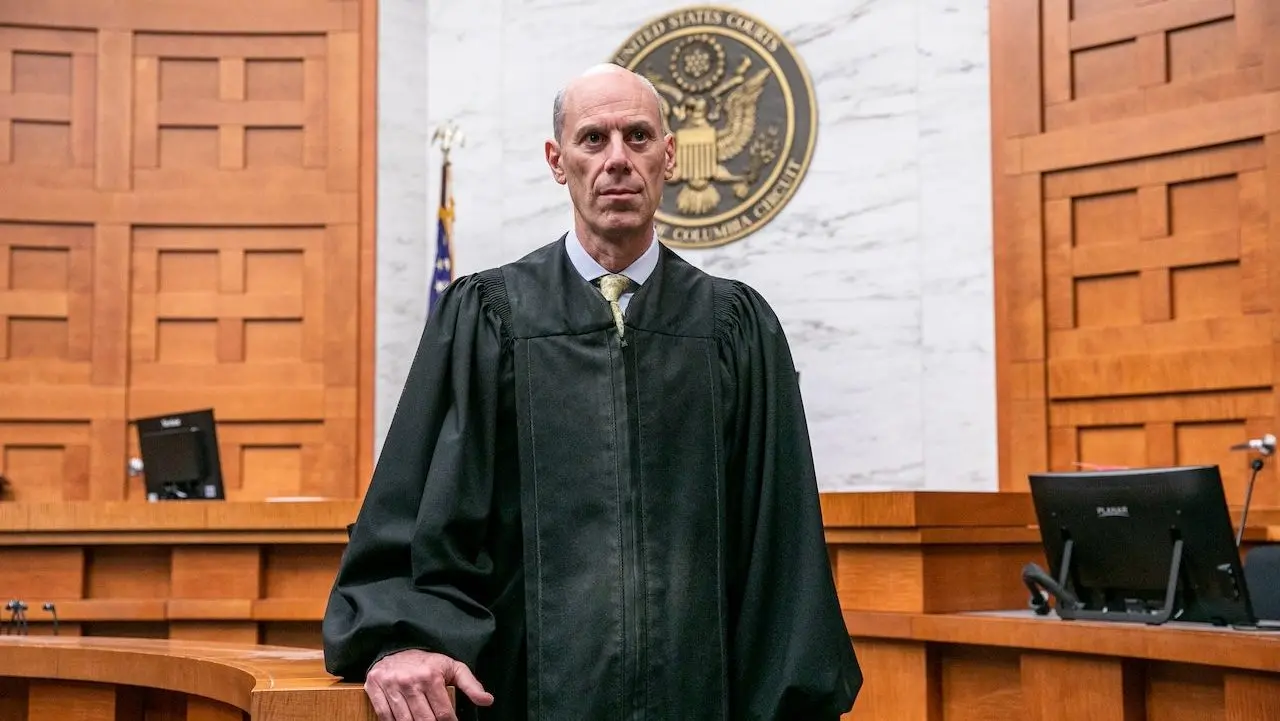
The disclosure came as part of a contempt inquiry before U.S. District Judge James Boasberg, who is investigating whether Trump officials willfully defied his March 15 emergency order. That order sought to prevent the administration from using the 18th-century Alien Enemies Act to deport Venezuelan nationals.
According to the Justice Department’s declaration, senior officials Todd Blanche and Emil Bove provided DHS with legal advice regarding flights that had already departed when Boasberg issued his emergency order. They also relayed Boasberg’s subsequent oral directive that all flights be “immediately” returned to U.S. soil.
“After receiving that legal advice, Secretary Noem directed that the AEA detainees who had been removed from the United States before the Court’s order could be transferred to the custody of El Salvador,” the Justice Department stated in its filing.
The department defended the decision, asserting it “was lawful and was consistent with a reasonable interpretation of the Court’s order.” Officials also argued that Boasberg’s oral order requiring the flights’ immediate return was nonbinding.
“The government maintains that its actions did not violate the Court’s order — certainly not with the clarity required for criminal contempt — and no further proceedings are warranted or appropriate,” the filing stated.
Hours before this disclosure, attorneys representing the deported Venezuelan migrants urged Boasberg to order testimony from nine senior Trump officials allegedly involved in the decision-making process. The list includes Emil Bove, who has since been confirmed as a federal judge for the Third Circuit U.S. Court of Appeals, and Erez Reuveni, a Justice Department attorney and whistleblower who claimed earlier this year that Bove had suggested ignoring court orders blocking the deportation flights. Bove has denied this allegation.
Any attempt to compel testimony from Noem or other senior officials would likely face strong resistance from the Trump administration, which has challenged the legitimacy of the contempt proceedings altogether.
Judge Boasberg, however, appears determined to move forward. “I intend to proceed just like I did in April, seven months ago,” he stated last week, indicating he plans to move quickly on the contempt inquiry. He has ordered parties to submit proposed witness lists and deadlines to consider the issue, noting that he hopes to include testimony from Reuveni and Drew Ensign, the Justice Department deputy assistant attorney general.
The plaintiffs have proposed beginning live witness testimony in early December, aligning with Boasberg’s stated intention to move expeditiously. “This has been sitting for a long time,” Boasberg said, “and I believe justice requires me to move promptly on this.”
The renewed action on the contempt issue will likely provoke strong reactions from congressional Republicans and from President Trump himself, who has repeatedly criticized Boasberg as an “activist judge” for his role in the case. Republicans have also taken issue with Boasberg’s approval of certain subpoena requests during Jack Smith’s special counsel investigation and comments he reportedly made during a closed-door conference of judges earlier this year.
The case represents a significant test of executive authority in immigration enforcement and highlights ongoing tensions between the judicial branch and the Trump administration’s aggressive border security policies. The use of the Alien Enemies Act, a rarely invoked 1798 law, has been particularly controversial in the administration’s deportation efforts.
As the contempt proceedings advance, Boasberg made clear his determination to uncover what transpired when the Venezuelan migrants were flown into Salvadoran custody, stating he “certainly intends to determine what happened” and that the government “can assist me to whatever degree it wishes.”
The Justice Department declined to comment on the witness list submitted by plaintiffs or on what steps the administration might take to prevent their testimonies.
Fact Checker
Verify the accuracy of this article using The Disinformation Commission analysis and real-time sources.

10 Comments
This case underscores the ongoing challenges and tensions around immigration enforcement and the role of the courts. I hope the parties can work towards a resolution that respects the law and the rights of all involved.
This case highlights the ongoing tension between federal immigration enforcement and judicial oversight. It will be important for all sides to work towards a balanced and lawful approach that respects the rights and obligations of each branch of government.
The revelation that the administration may have defied a court order on deportations is troubling and deserves close scrutiny. It will be important for the government to provide a full account of its actions and decision-making in this matter.
Agreed. Upholding the rule of law and the integrity of the judicial process should be a paramount concern for all government agencies, regardless of their policy priorities.
While I understand the administration’s desire to enforce immigration laws, it seems they may have overstepped their bounds by proceeding with deportations despite the judge’s order. The court will need to carefully examine the facts and determine if any contempt of court occurred.
Agreed. The rule of law is paramount, and government agencies must respect and comply with court orders, even if they disagree with the rulings. Transparency and accountability will be crucial in this case.
The disclosure of the administration’s actions raises concerning questions about the decision-making process and adherence to legal protocols. I hope the court can get to the bottom of what happened and provide clarity on the proper procedures going forward.
This is a complex legal and political issue regarding immigration policy and the enforcement of court orders. It will be interesting to see how this case unfolds and what the implications are for the administration’s actions and authority.
This seems like a complex legal and political issue that touches on the balance of power between the executive and judicial branches. I’m curious to see how the court addresses the allegations of contempt and whether any new policies or protocols emerge from this case.
The details emerging in this case raise important questions about the administration’s adherence to court orders and its decision-making process. Transparency and accountability will be crucial in determining the appropriate path forward.