


Listen to the article
A Wisconsin woman involved in a notorious 2014 stabbing case has decided not to contest the state’s petition to revoke her conditional release privileges after she fled from a group home last month.
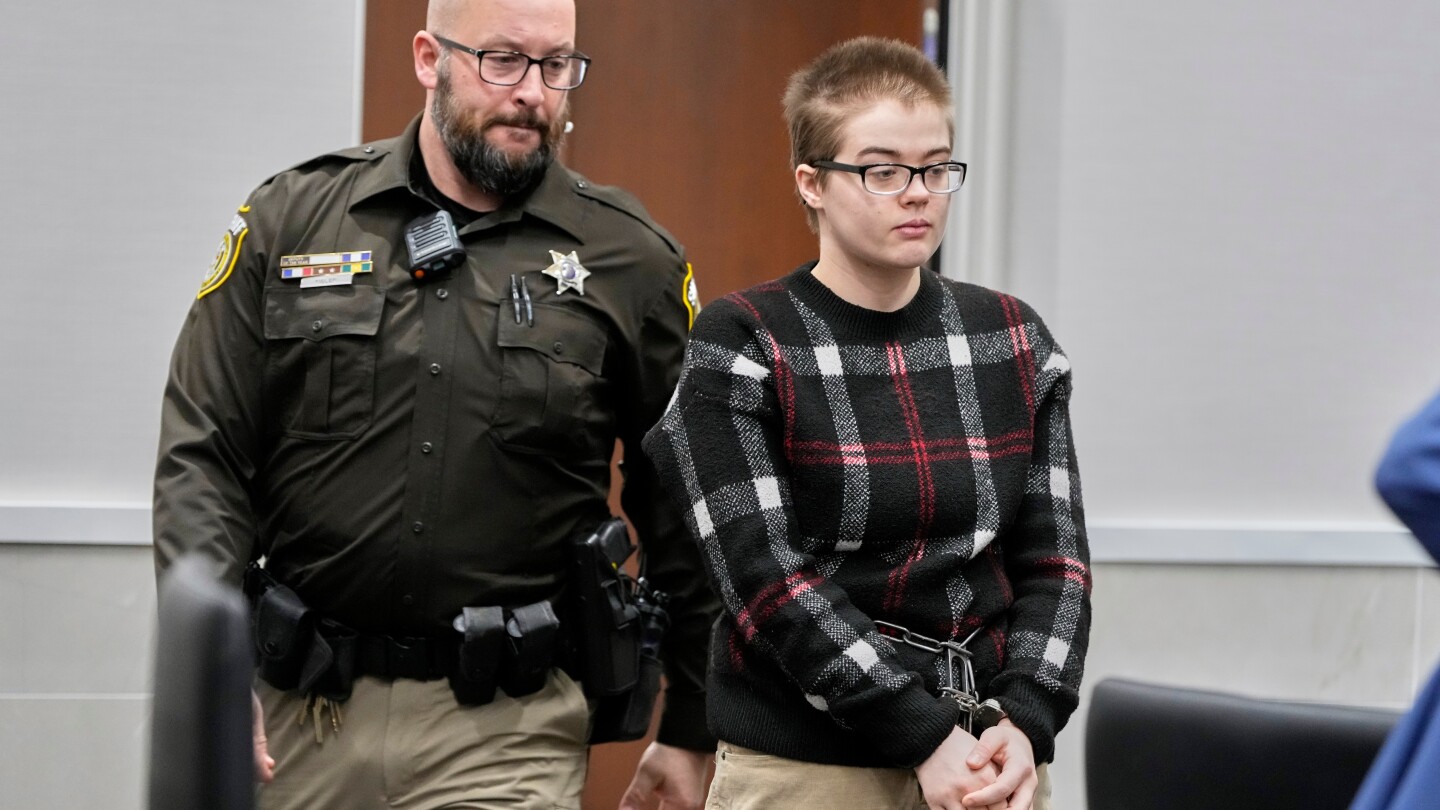
Morgan Geyser, 23, who was committed to a psychiatric facility for nearly killing a sixth-grade classmate in a crime that shocked the nation, will not fight efforts to return her to the Winnebago Mental Health Institute, according to a letter her attorney sent to the court this week.
Geyser had been granted conditional release in July when Waukesha County Circuit Judge Scott Wagner approved a plan to move her from the state psychiatric hospital to a Madison group home with GPS monitoring. The state Department of Health Services had opposed this transition, arguing Geyser couldn’t be trusted.
Their concerns proved valid when authorities reported that Geyser cut off her GPS monitor on November 22 and fled the state with a 43-year-old companion. Police apprehended the pair the following day at a truck stop near Chicago, approximately 170 miles south of Madison.
Following the incident, state health officials filed a sealed petition on November 25 requesting that Judge Wagner revoke Geyser’s release privileges. Her attorney, Tony Cotton, confirmed in Tuesday’s letter that Geyser had discussed “the allegations in detail” and chosen not to contest the petition. Cotton declined further comment when contacted.
The case dates back to 2014 when Geyser and her friend Anissa Weier, both 12 at the time, lured classmate Payton Leutner to a park in Waukesha. In a crime that made international headlines, Geyser stabbed Leutner 19 times while Weier encouraged her. The victim barely survived the brutal attack.
During subsequent investigations, the girls claimed they committed the crime to impress Slender Man, a fictional horror character that gained popularity online. They believed attacking Leutner would earn them the right to become servants of Slender Man and protect their families from harm.
Both girls were ultimately committed to the Winnebago Mental Health Institute—Geyser for 40 years and Weier for 25 years. Weier was granted conditional release in 2021 after serving approximately seven years.
New details have emerged about Geyser’s recent escape. According to local media reports, her companion contacted WKOW-TV the day after their apprehension in Illinois, claiming they had become friends through church and had been seeing each other daily for about a month. The companion suggested Geyser fled because she feared the group home would prevent them from continuing their relationship.
The Slender Man case highlighted concerns about the influence of internet folklore on impressionable minds and sparked national discussions about juvenile justice and mental health treatment. Slender Man was created in 2009 by Eric Knudsen as a mysterious, tall figure digitally inserted into photographs of children. The character quickly evolved into an internet phenomenon, appearing in online stories, video games, and eventually inspired a 2018 movie.
Geyser’s decision not to contest the revocation petition effectively clears the way for Judge Wagner to send her back to the state psychiatric facility, where she had spent seven years before her brief period of conditional release. The Wisconsin Department of Health Services, which operates the Winnebago Mental Health Institute, will resume responsibility for her care and treatment.
The case continues to resonate in Wisconsin and beyond as a disturbing example of how internet fiction can, in rare cases, influence vulnerable young people with serious mental health challenges.
Fact Checker
Verify the accuracy of this article using The Disinformation Commission analysis and real-time sources.

5 Comments
The decision by the offender not to contest the state’s efforts seems like the responsible course of action. It suggests a recognition of the gravity of the situation and the need for proper oversight.
It’s good to see the state is taking swift action to revoke the release privileges after this incident. Ensuring the safety of the public and the proper care of those with mental health issues is critical.
This is a high-profile and sensitive case that will likely face intense scrutiny. The public will be watching closely to see how the authorities handle the situation going forward.
This case seems to highlight the complex challenges in balancing public safety and mental health treatment. Monitoring and conditional release can be a delicate balance, and it’s concerning to see the escape.
I’m curious to learn more about the circumstances and motivations behind the escape. Understanding the full context could help inform policies and procedures to prevent such incidents in the future.