


Listen to the article
Immigration Crackdown Decimates Hispanic Businesses in Louisiana Community
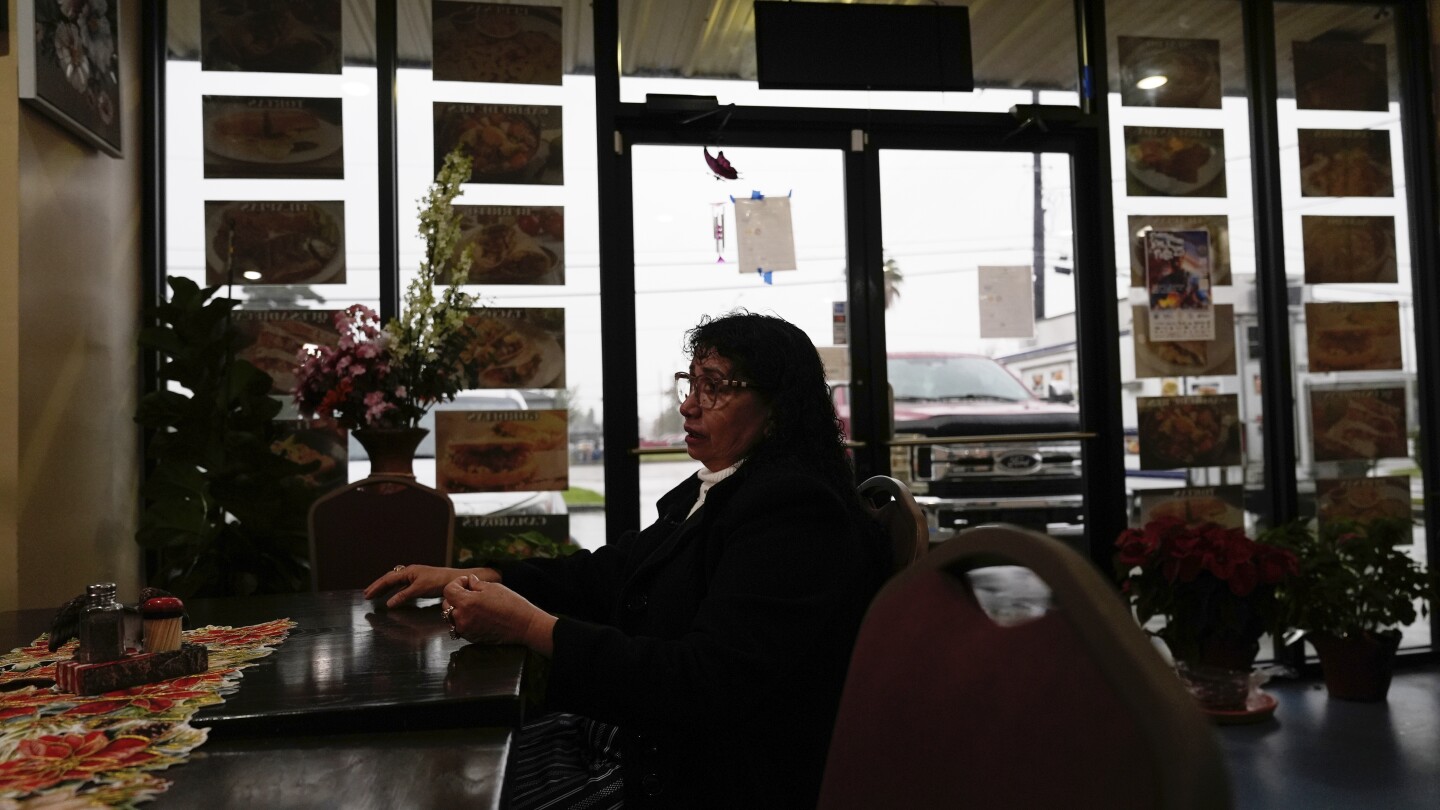
The doors of Carmela Diaz’s once-bustling taco restaurant remain locked, its tables empty and kitchen silent. Her establishment, Taqueria La Conquistadora, is one of many Hispanic businesses in Kenner, Louisiana, that have been forced to close amid a sweeping federal immigration operation targeting the area.
“Fewer and fewer people came,” said Diaz, fighting back tears. “There were days we didn’t sell anything. That’s why I made the decision to close the business — because there was no business.”
Federal agents launched “Operation Catahoula Crunch” last Wednesday in Kenner, which has Louisiana’s highest concentration of Hispanic residents at approximately 30% of the population. The Department of Homeland Security (DHS) initiative aims to arrest 5,000 individuals and follows similar enforcement surges in Los Angeles, Chicago, and Charlotte.
Convoys of federal vehicles have become a common sight on Kenner’s main commercial streets, with bystanders documenting agents detaining people outside businesses and at construction sites. Border Patrol commander Gregory Bovino appeared in the city with agents in tactical gear to announce the operation, named after Louisiana’s state dog.
The impact on the local economy has been devastating, according to business owners. Hispanic enterprises—from Nicaraguan eateries to Honduran restaurants—have emptied out as both customers and workers fear leaving their homes. Signs in Spanish still line the streets, but foot traffic has diminished significantly.
Diaz, who emigrated from El Salvador in 2006 after working on Texas farms, had built a successful business encompassing food trucks and two brick-and-mortar restaurants. Now her enterprise stands largely shuttered, with Diaz maintaining minimal income through home deliveries to clients too frightened to venture out.
“They don’t respect anyone,” Diaz said of the enforcement agents. “They don’t ask for documents. They don’t investigate. They slap the handcuffs on them and take them away.”
DHS spokesperson Tricia McLaughlin reported that dozens of arrests have already been made, though the agency has not released a comprehensive list of those detained. “Americans should be able to live without fear of violent criminal illegal aliens harming them, their families, or their neighbors,” McLaughlin stated. She added that within the first 24 hours, officers arrested individuals with criminal histories including homicide, kidnapping, child abuse, robbery, theft, and assault.
Kenner Mayor Michael Glaser, a former police chief, has maintained a careful distance from the operation. His office declined to comment on his position regarding the crackdown, noting only that it “falls under federal jurisdiction” and that the city is “not participating in or advising” on the effort. The mayor expects all agencies operating in Kenner to conduct themselves “professionally, lawfully and with respect for our community.”
Despite this official stance of separation, Kenner police are among hundreds of local and state law enforcement agencies nationwide that have signed agreements with Immigration and Customs Enforcement (ICE), authorizing them to detain individuals for potential deportation.
The Hispanic community’s growth in Louisiana traces back primarily to post-Hurricane Katrina reconstruction efforts in 2005, when many immigrants arrived to help rebuild the devastated region. What was once a welcoming environment has now become hostile territory for many, including legal residents and U.S. citizens of Hispanic descent.
Sergio Perez, a Guatemalan immigrant who became a U.S. citizen and has lived in Kenner since 2010, expressed fears for family members who lack legal documentation. He’s also concerned that anyone who appears Hispanic might face harassment from federal agents, regardless of their immigration status.
Though Perez considers Kenner home—a place where he easily finds comfort foods like “caldo de res,” a traditional beef and vegetable stew—he’s prepared to leave the country if relatives are deported.
“They don’t want us here,” Perez lamented. “It’s like you are in someone’s house and you don’t feel welcome. They’re just killing our spirit.”
The operation in Kenner represents the latest in a series of heightened immigration enforcement actions across the country, creating ripple effects that extend beyond undocumented immigrants to impact legal residents, citizens, and the broader economic fabric of affected communities.
Fact Checker
Verify the accuracy of this article using The Disinformation Commission analysis and real-time sources.

17 Comments
Silver leverage is strong here; beta cuts both ways though.
Exploration results look promising, but permitting will be the key risk.
Good point. Watching costs and grades closely.
Interesting update on Shops empty in a Hispanic neighborhood as immigration crackdown comes to Louisiana. Curious how the grades will trend next quarter.
Uranium names keep pushing higher—supply still tight into 2026.
Good point. Watching costs and grades closely.
I like the balance sheet here—less leverage than peers.
Nice to see insider buying—usually a good signal in this space.
The cost guidance is better than expected. If they deliver, the stock could rerate.
The cost guidance is better than expected. If they deliver, the stock could rerate.
The cost guidance is better than expected. If they deliver, the stock could rerate.
Good point. Watching costs and grades closely.
Uranium names keep pushing higher—supply still tight into 2026.
Good point. Watching costs and grades closely.
Uranium names keep pushing higher—supply still tight into 2026.
Good point. Watching costs and grades closely.
Good point. Watching costs and grades closely.