


Listen to the article
U.S. Coast Guard Strengthens Stance Against Hate Symbols Following Congressional Pressure
Senators from a bipartisan antisemitism task force are seeking clarification from the U.S. Coast Guard regarding its procedures for investigating incidents involving hate symbols within its ranks, following a policy reversal that occurred under congressional scrutiny.
The inquiry comes after the Coast Guard released a revised policy Thursday night that explicitly prohibits hate symbols like swastikas and nooses. The updated directive was issued just hours after lawmakers learned of a draft policy that would have significantly weakened existing regulations by describing such symbols merely as “potentially divisive” rather than explicitly banned.
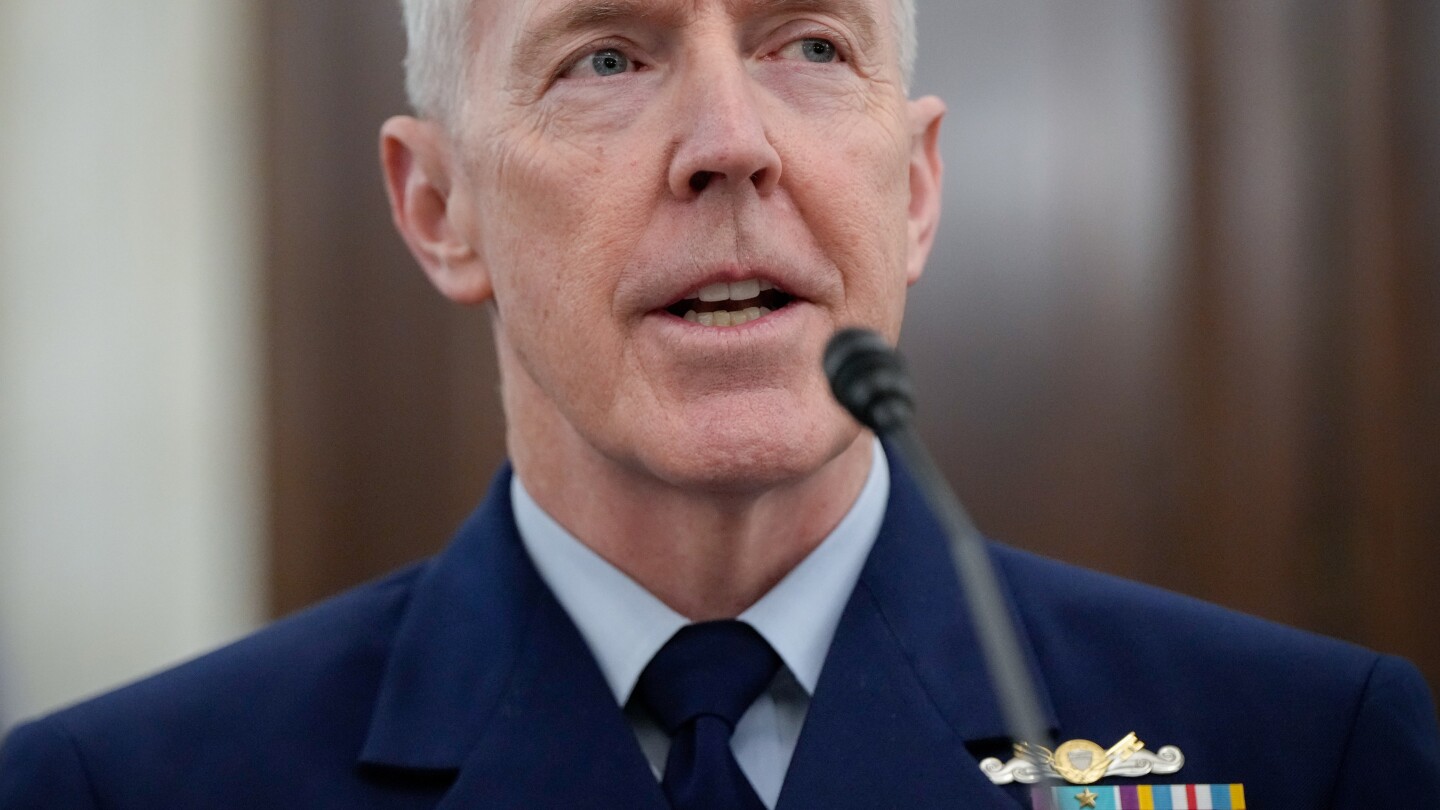
Senator Jacky Rosen, D-Nevada, and Senator James Lankford, R-Oklahoma, who co-lead the Senate Bipartisan Task Force for Combating Antisemitism, sent a formal letter to Acting Commandant Admiral Kevin Lunday on Friday, acknowledging the policy correction while raising further questions about implementation.
“While we appreciate this step in the right direction to affirm the Coast Guard’s commitment to maintaining a safe and inclusive environment for all its members, we still have concerns about the investigative process,” the senators wrote in their joint letter.
The controversy began when an earlier draft of the policy emerged that would have significantly downgraded how the Coast Guard characterized and responded to hate symbols. That draft had removed language from previous 2019 and 2023 policies that explicitly identified such symbols as “widely identified with oppression or hatred” and classified their display as “a potential hate incident.”
Instead, the draft proposed describing symbols like swastikas and nooses only as “potentially divisive” without explicitly banning them. It would have allowed commanders discretion to remove such symbols from public areas while exempting private spaces, including family housing.
Senator Rosen quickly condemned the proposed changes on Thursday. “Relaxing policies aimed at fighting hate crimes not only sends the wrong message to the men and women of our Coast Guard, but it puts their safety at risk,” she stated.
Following this criticism, Admiral Lunday personally contacted Senator Rosen, and the two spoke before he issued the corrected policy. In his late-night memo, Lunday used unambiguous language: “Divisive or hate symbols and flags are prohibited.” He specifically mentioned “a noose, a swastika, and any symbols or flags co-opted or adopted by hate-based groups” as examples of banned imagery.
Despite this correction, the senators noted a potentially significant procedural change in the new policy. Unlike previous directives that required formal investigations of hate symbol incidents, the latest guidance instructs supervisors to “inquire” into such matters.
“Any inquiry regarding conduct involving imagery historically associated with genocide, terror, and racial subjugation must, at a minimum, be full and transparent to ensure the civil rights of those impacted are protected and conducted in a manner in which victims feel safe to report these incidents,” the senators emphasized in their letter.
They specifically requested clarification on “why the inquiry process was deemed to be preferable to the investigative process” previously in place.
This incident occurs against the backdrop of ongoing national concerns about extremism and hate in military and law enforcement ranks. Military branches and federal agencies have been reviewing their policies regarding extremist activity and hate symbols following several high-profile incidents and the January 6, 2021 Capitol attack, which involved some current and former service members.
The Coast Guard, which operates under the Department of Homeland Security during peacetime rather than the Department of Defense, plays a vital role in maritime security, law enforcement, and search and rescue operations, with approximately 42,000 active duty personnel.
The outcome of this policy review could have implications beyond the Coast Guard, potentially influencing how other military branches and federal agencies address similar issues within their ranks.
Fact Checker
Verify the accuracy of this article using The Disinformation Commission analysis and real-time sources.

6 Comments
This is an important issue that requires clear policies and consistent enforcement. Hate symbols have no place in any government agency, especially one focused on public safety like the Coast Guard.
This is a complex issue that requires nuance. While the Coast Guard should have zero tolerance for overt hate symbols, they’ll need to balance free speech concerns as well.
It’s good to see the Coast Guard quickly correct their policy after public scrutiny. Transparent procedures for investigating and addressing incidents are critical to upholding values of diversity and inclusion.
Absolutely. The Coast Guard should provide detailed information on their investigative process to build trust and accountability.
Senators are right to press for more details. Swastikas and other hate symbols are unacceptable and the public deserves to know how the Coast Guard will respond to such incidents.
Kudos to the bipartisan task force for taking this seriously. Robust policies and clear communication from the Coast Guard are essential to fostering a welcoming, inclusive environment.