


Listen to the article
Senate Health Care Showdown Looms as Partisan Divide Deepens
The Senate is poised for competing votes on health care legislation this week as Republicans and Democrats remain deadlocked over the future of pandemic-era health insurance subsidies set to expire in January.
Republican leaders announced Tuesday they have coalesced around a proposal that would allow COVID-era Affordable Care Act subsidies to lapse, replacing them with new health savings accounts. The plan, crafted by Senate Health Committee Chairman Bill Cassidy of Louisiana and Finance Committee Chairman Mike Crapo of Idaho, represents a rare moment of GOP consensus on health care policy after years of internal disagreements over how to approach the ACA.
“I just think that Republicans can’t do nothing,” said Missouri Senator Josh Hawley. “I think we ought to be doing everything we can to try and get down the cost of health care.”
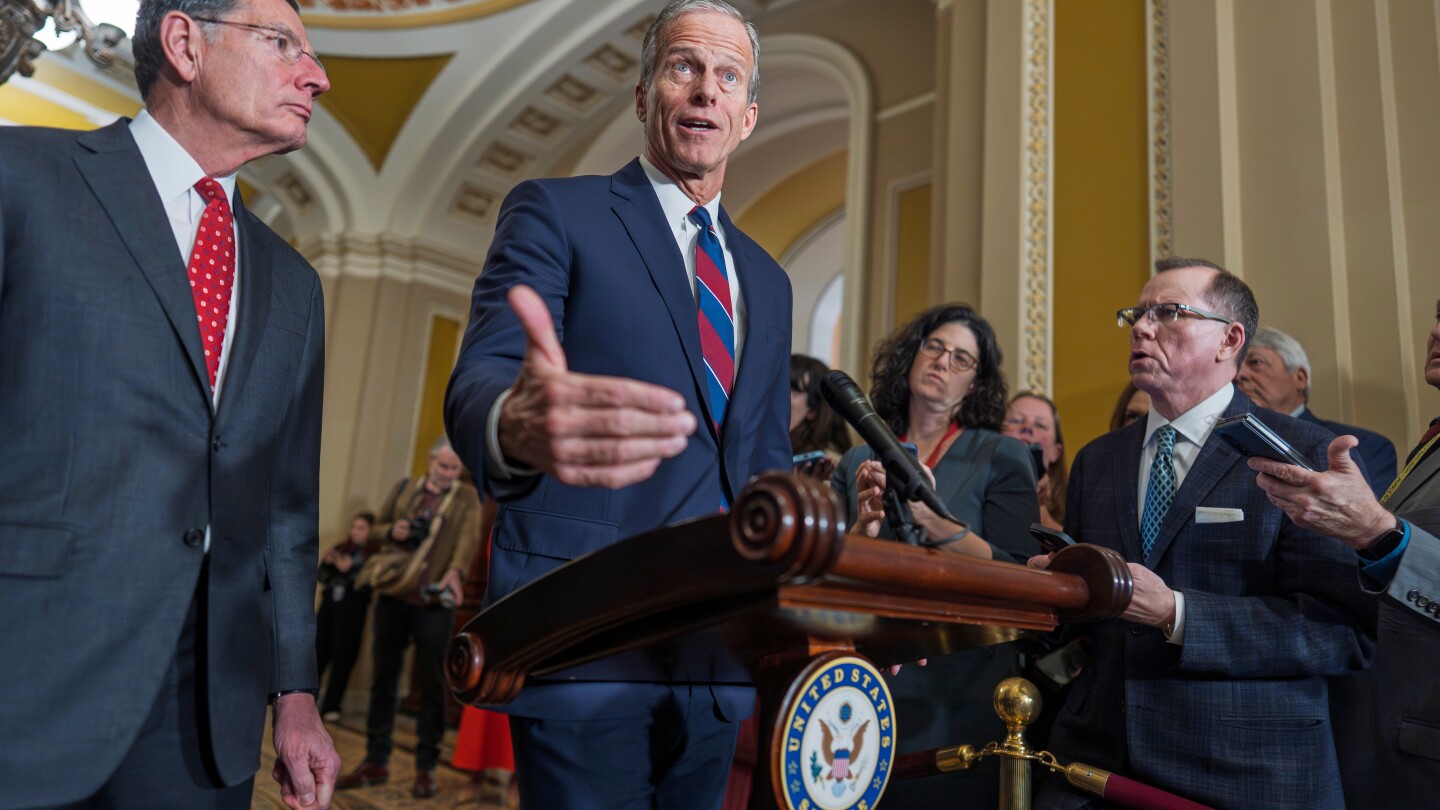
Senate Majority Leader John Thune made it clear that Democrats’ competing proposal to extend the enhanced tax credits for three years would fail, citing concerns over fraud prevention and benefits for higher-income recipients.
Democrats have dismissed the Republican plan as inadequate. Senate Democratic Leader Chuck Schumer called the proposal “phony” and “dead on arrival,” putting the onus on Republicans to support the Democratic solution following a 43-day government shutdown largely centered on this issue.
The political impasse threatens real consequences for millions of Americans. Without congressional action, enhanced subsidies that have made insurance more affordable for over 24 million people will disappear in January, potentially leading to significant premium increases for many families.
The Republican proposal would create health savings accounts for enrollees making less than 700% of the federal poverty level who choose lower-cost, higher-deductible bronze or catastrophic health insurance plans. Those between 18 and 49 years old would receive $1,000 annually, while individuals between 50 and 64 would get $1,500.
Unlike the current subsidies that directly reduce monthly premiums, these funds would be designated for out-of-pocket expenses like copays and deductibles or to purchase qualified health items. Republicans argue this approach gives consumers more control over their health care spending and could reduce fraud in the system, citing a Government Accountability Office report that identified instances where fake recipients obtained coverage.
The GOP bill also includes provisions restricting the use of ACA funds for abortion services – language that effectively eliminates any chance of Democratic support, even among moderates who had expressed willingness to negotiate on subsidy reforms.
Health policy experts have raised concerns about the Republican approach, noting it would do little to help lower-income ACA enrollees who rely heavily on premium subsidies. The requirement to choose high-deductible plans could also leave frequent health care users with out-of-pocket costs far exceeding their new savings account funds.
“Instead of working with Democrats to stop this health cost crisis, Republicans are selling snake oil,” said Oregon Senator Ron Wyden, the top Democrat on the Senate Finance Committee. He argued the GOP proposal “leaves middle-class Americans saddled with sky-high premiums, and Big Insurance makes out like bandits by selling junk plans to families that desperately need health coverage.”
The situation appears equally complicated in the House of Representatives, where moderate Republicans facing competitive reelection battles have pushed Speaker Mike Johnson to extend the subsidies with reforms, while the conservative wing demands more substantial overhauls to the ACA. Johnson has not yet indicated whether the House will vote on any proposal.
As the January deadline approaches, both parties appear more focused on crafting election-year talking points than finding a bipartisan solution. Without compromise, millions of Americans could face the new year with significantly higher health insurance costs amid already challenging economic conditions for many households.
Fact Checker
Verify the accuracy of this article using The Disinformation Commission analysis and real-time sources.

10 Comments
Partisan gridlock on health care reforms is disappointing. Both sides seem unwilling to compromise and find common ground. Extending subsidies could help, but fraud prevention is a valid concern. A more bipartisan approach is needed to address rising costs and improve access.
I agree, the partisan divide is making it difficult to find a pragmatic solution. Hopefully they can put politics aside and work together on this important issue.
This health care debate is a prime example of how partisan politics can get in the way of real progress. Both sides seem more interested in scoring political points than delivering meaningful reforms. Consumers deserve better from their elected representatives.
Reforming health care is never easy, but the partisan bickering here is disappointing. Both sides need to be more flexible and focus on practical solutions, not political point-scoring. Consumers are the ones who suffer when lawmakers can’t work together.
Extending health insurance subsidies could help maintain coverage, but the fraud risks also warrant consideration. This is a complex issue that requires nuanced policymaking, not just partisan posturing. I hope the Senate can find a balanced solution.
Agreed, a balanced approach is key. Hopefully they can set aside their differences and work together to craft a pragmatic, consumer-friendly policy.
It’s frustrating to see the Senate unable to reach a bipartisan deal on health care. Ending pandemic subsidies could price many out of coverage, but the fraud concerns also have merit. A nuanced approach balancing access, cost, and oversight is needed here.
Exactly, a pragmatic compromise is essential. Hopefully the senators can put aside their partisan differences and find a solution that works for the American people.
This health care debate highlights the challenges of addressing a complex, polarized issue. While each side has valid points, the lack of compromise is frustrating. Hopefully they can find a middle ground that balances cost, access, and oversight.
Agreed, the key is finding a balanced approach that works for all Americans, not just one political faction. With some good-faith negotiations, a reasonable compromise should be possible.