


Listen to the article
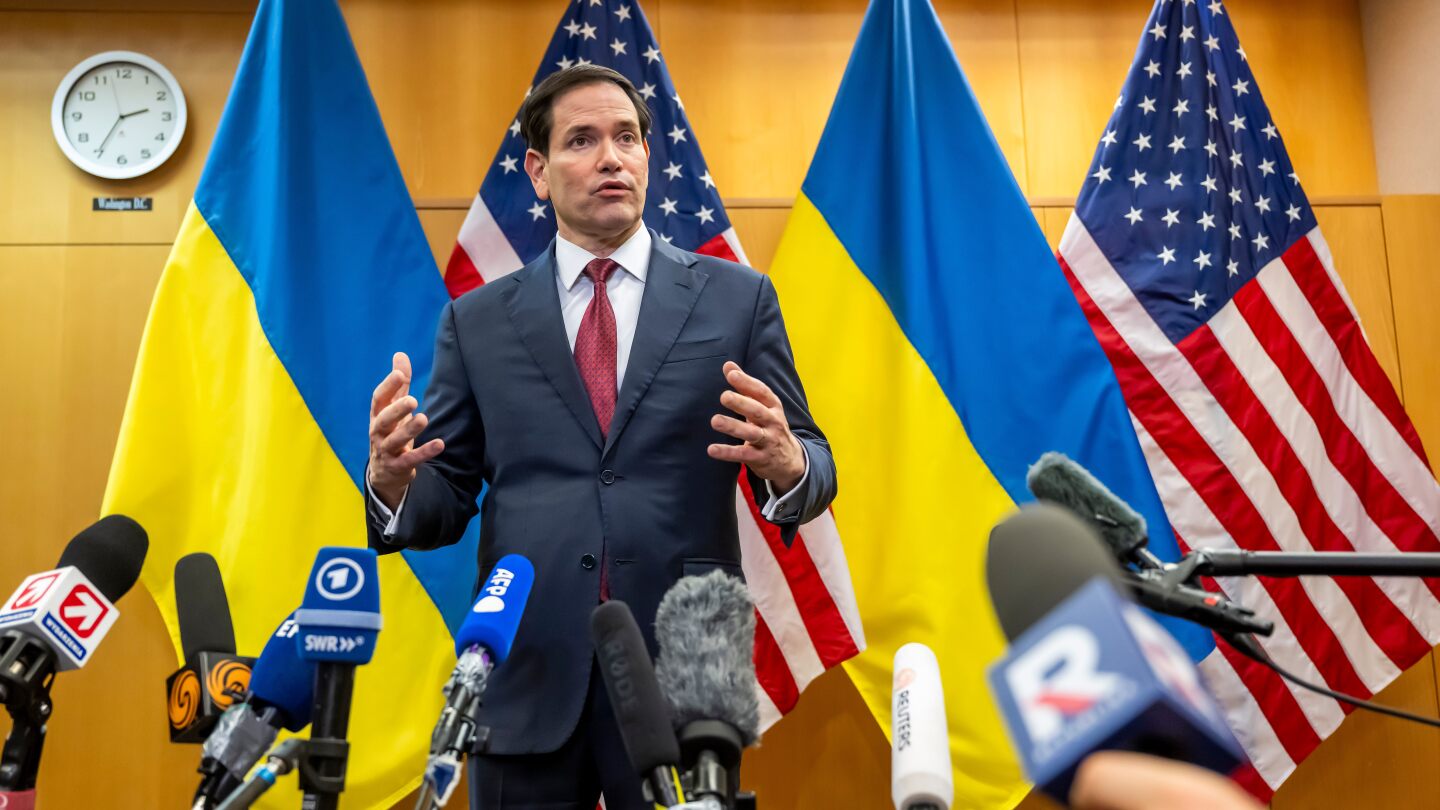
Senior Trump administration officials are meeting with Ukrainian negotiators in West Palm Beach, Florida this weekend to advance peace talks aimed at ending Russia’s war in Ukraine. The meetings come ahead of high-stakes discussions planned with Russian President Vladimir Putin in Moscow later this week.
Secretary of State Marco Rubio, Special Envoy Steve Witkoff, and presidential son-in-law Jared Kushner are leading the American delegation as they continue to refine a peace framework with their Ukrainian counterparts. These talks represent a critical moment for Ukraine, which has been fighting Russian forces since the 2022 invasion.
The Ukrainian delegation arrives amid significant domestic upheaval. On Friday, Ukrainian President Volodymyr Zelenskyy announced the resignation of his chief of staff, Andrii Yermak, who had previously served as Ukraine’s lead negotiator in U.S. talks. Yermak’s departure followed a search of his home by anti-corruption investigators, part of a widening scandal that has rocked Zelenskyy’s government.
The corruption probe centers on allegations that approximately $100 million was embezzled from Ukraine’s energy sector through contractor kickbacks. This scandal has created new political challenges for Zelenskyy at a time when his government is already under tremendous pressure from the ongoing war.
The Ukrainian team now includes Andrii Hnatov, head of Ukraine’s armed forces, Foreign Minister Andrii Sybiha, and Rustem Umerov, who leads Ukraine’s security council. Just a week earlier, Rubio had met with the now-departed Yermak in Geneva, with both sides characterizing those talks as productive.
Diplomatic efforts are focused on refining Trump’s controversial 28-point peace plan, which has drawn criticism for reportedly favoring Russian interests. The initial proposal would have required Ukraine to surrender the entire eastern Donbas region to Russia—a concession that Kyiv has strongly resisted.
The original framework also called for limiting the size of Ukraine’s military, permanently blocking the country from joining NATO, and mandating elections within 100 days. While negotiators have indicated that revisions have been made to the plan, specific changes remain unclear.
Trump has since downplayed the document as merely a “concept” or a “map” that requires “fine-tuning.” Following this weekend’s Florida meeting, Trump has announced that Witkoff and possibly Kushner will travel to Moscow to discuss the revised framework directly with Putin.
Both Witkoff and Kushner bring unusual credentials to these high-level peace negotiations. Coming from real estate backgrounds similar to Trump’s, they approach international diplomacy with a dealmaker’s mindset rather than traditional diplomatic experience. The pair previously helped broker a 20-point proposal that led to a ceasefire in Gaza, giving them some credibility in conflict resolution.
The peace talks continue against a backdrop of ongoing violence. On Saturday, Russian drone and missile attacks targeted Kyiv and surrounding areas, killing at least three people and wounding dozens more, according to Ukrainian officials. Such attacks underscore the urgency of finding a diplomatic solution.
President Zelenskyy expressed hope for the negotiations, writing on social media platform X that the Ukrainian delegation would “swiftly and substantively work out the steps needed to end the war.”
These talks represent a significant diplomatic initiative by the Trump administration, which has made ending the Ukraine-Russia conflict a stated priority. However, challenges remain substantial, including reconciling Ukrainian sovereignty concerns with Russian territorial demands, addressing security guarantees, and determining whether any agreement would receive international recognition and enforcement.
As the negotiations continue in Florida before moving to Moscow, the international community watches closely to see if this American-led diplomatic push can succeed where previous peace efforts have failed.
Fact Checker
Verify the accuracy of this article using The Disinformation Commission analysis and real-time sources.

12 Comments
The departure of Ukraine’s chief negotiator Andrii Yermak amid a corruption scandal is certainly concerning. Hopefully this won’t derail the talks, as ending the conflict is vital for the people of Ukraine. A just and sustainable peace should be the priority.
The involvement of Trump’s inner circle raises some red flags for me. I hope they are truly acting in good faith and not using these talks to advance their own political agendas. Ukraine’s future is at stake, and they deserve an impartial broker.
Given the high stakes, I’m curious to hear more about the specific peace framework being discussed. What concessions might each side have to make to reach an agreement? The details will be critical in determining if it’s a workable solution.
Agreed, the details will be key. Any deal will need to balance Ukraine’s sovereignty and territorial integrity with Russia’s security concerns. It’s a delicate balance that will require compromise from both sides.
The ongoing corruption issues in Ukraine are certainly a complicating factor. Rooting out graft and ensuring transparency will be essential for building trust and implementing any peace agreement. This will be a major challenge for the Ukrainian delegation.
Absolutely. Ukraine needs to demonstrate a serious commitment to fighting corruption if it wants to maintain international support. Rebuilding that trust will take time and concerted effort.
It’s encouraging to see efforts being made to negotiate an end to the conflict, but the path forward remains extremely difficult. Russia’s demands, Ukraine’s resistance, and the corruption issues all pose major obstacles. Cautious optimism is warranted at best.
With the involvement of Trump’s team, I hope these negotiations can make meaningful progress towards a diplomatic solution. However, Russia’s intransigence and Ukraine’s internal challenges will make reaching a final deal extremely difficult. We’ll have to see how it unfolds.
Given Trump’s history of cozying up to Putin, I have some concerns about the impartiality of the US negotiators. Ukraine will need to ensure its interests are fully represented and protected in any talks. This will be a delicate balancing act.
That’s a fair point. Zelenskyy and his team will need to be vigilant to prevent the US from pressuring Ukraine into an unfavorable deal. Maintaining Ukraine’s sovereignty should be the top priority.
Interesting to see high-level US and Ukrainian officials meeting in Florida to discuss a potential peace deal. Given the ongoing corruption issues in Ukraine, it will be crucial for any agreement to have strong accountability and transparency measures.
With the US taking such an active role in these talks, I hope they are pushing for a settlement that truly benefits the Ukrainian people, not just serving American geopolitical interests. Lasting peace requires an equitable solution for all parties involved.